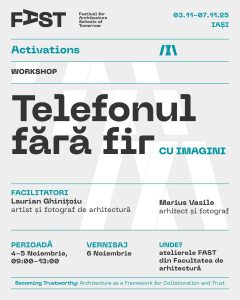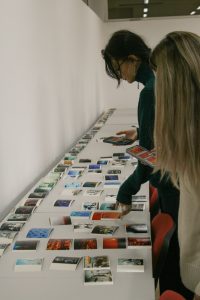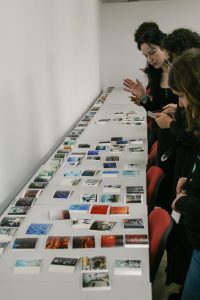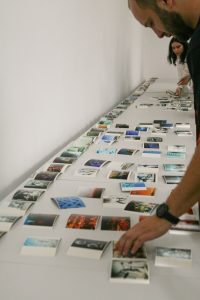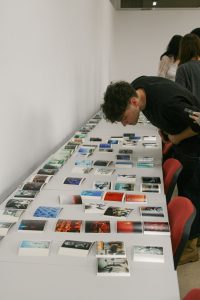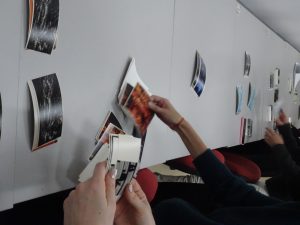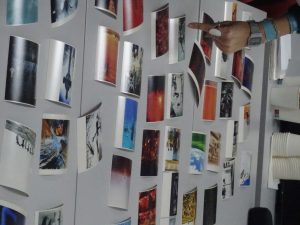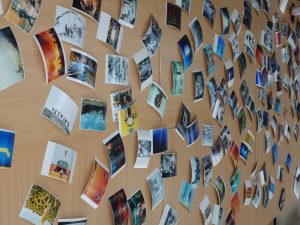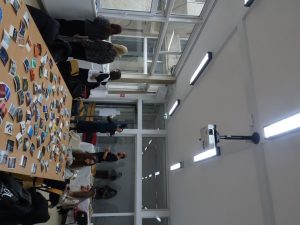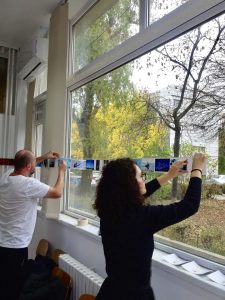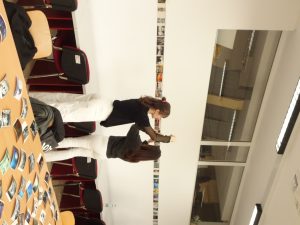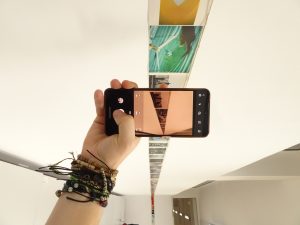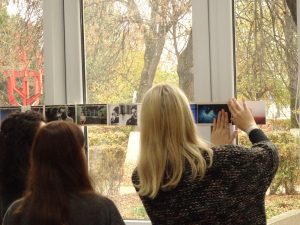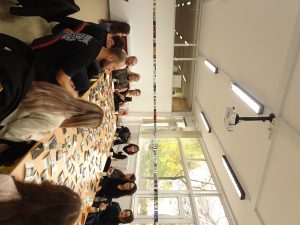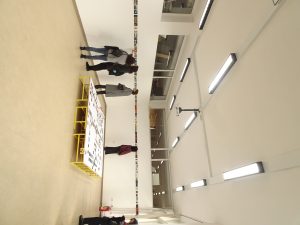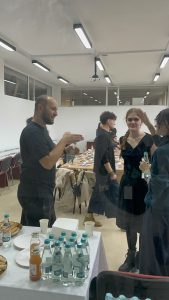
The workshop Telephone Without Wires (with Images) took place on 4–5 November 2025, between 9:00–13:00, bringing together 20 architecture students (four from each participating faculty) in the FAST workshop spaces at the Faculty of Architecture. The atelier was facilitated by Laurian Ghinițoiu, artist and architectural photographer, and Marius Vasile, architect and photographer. Designed specifically for architecture students, the workshop created a critical and experimental environment in which participants examined how images circulate, transform, and influence perception in contemporary culture.
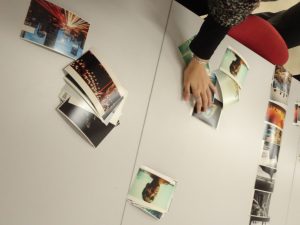
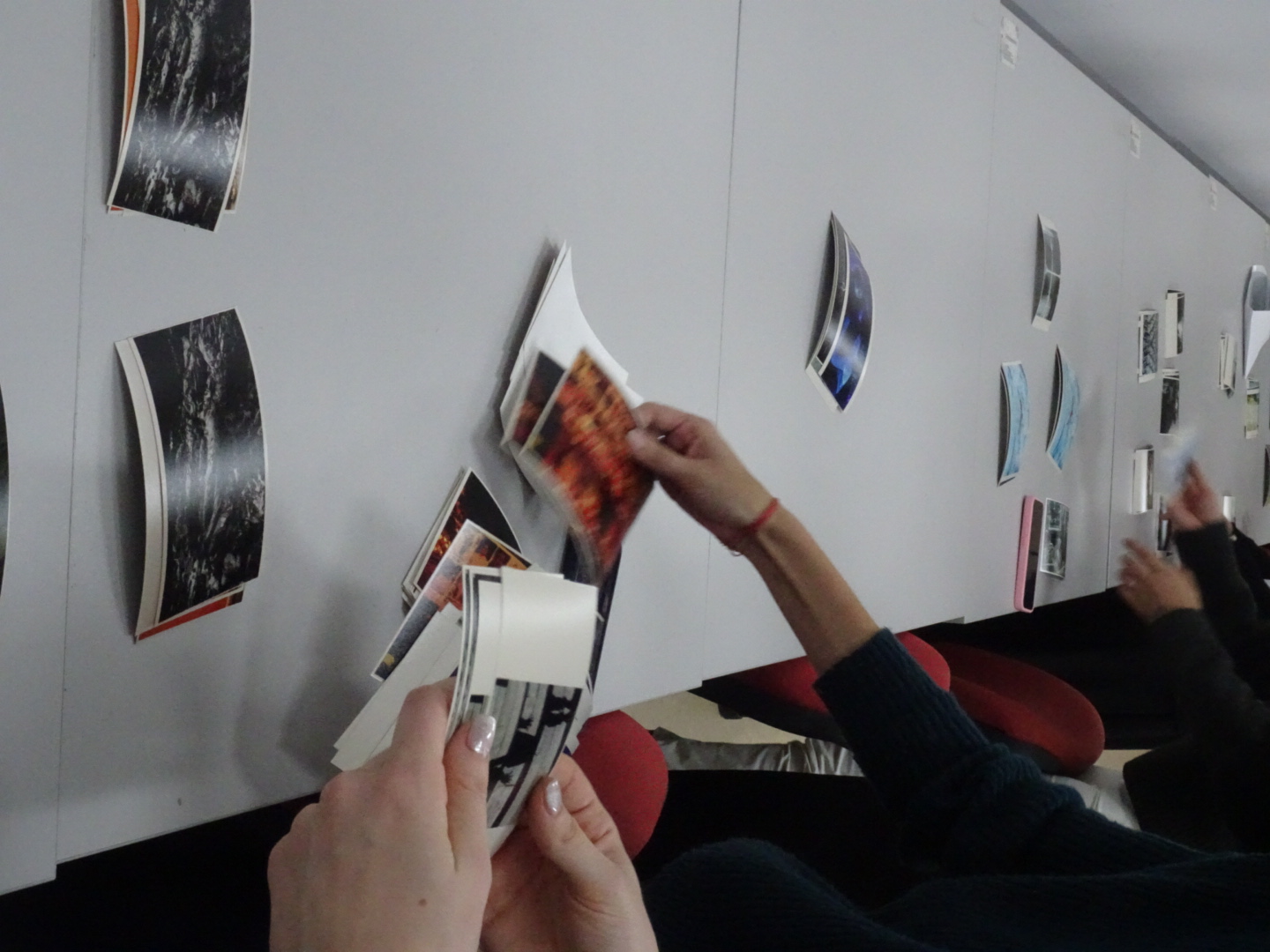
Starting from the premise that we live in an era of instant visual transmission, the workshop investigated how meaning shifts when images are repeatedly interpreted and retransmitted. Inspired by the childhood game of “telephone,” the exercise replaced whispered words with visual material. Each participant received an initial image, interpreted it, and produced a transformed version. That result was then passed to the next participant, who continued the chain. With every step, elements were lost, invented, exaggerated, or reinterpreted.
Through this process, students explored how authorship dissolves in collective communication and how visual information is never neutral. The workshop encouraged reflection on trust, distortion, memory, and the fragile nature of representation — themes highly relevant to architectural imagery and media culture. Participants actively explored how photographs and drawings can manipulate narrative, construct meaning, and shape public understanding of architecture.
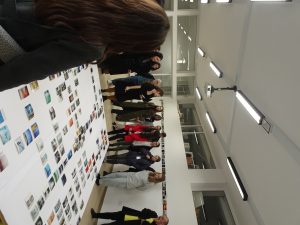
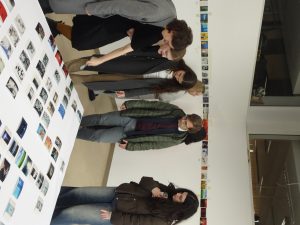
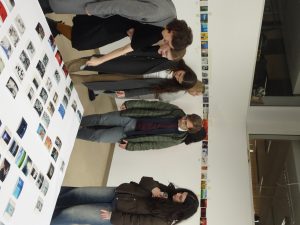
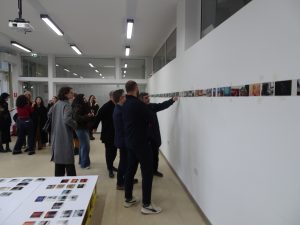
The complete image chains were assembled and presented during a public vernissage on 6 November 2025, revealing the gradual drift of meaning from the first image to the last. Some sequences maintained surprising continuity, while others transformed radically, exposing how interpretation accumulates layers of subjectivity. The final exhibition allowed viewers to trace the evolution of each visual message and reflect on the mechanics of communication itself.
The workshop was highly appreciated for generating a playful yet intellectually sharp learning experience. Students explored the instability of images and gained awareness of their responsibility as future architects working in a visually saturated environment. Guided by professional photographers and architects, participants engaged in a process that combined experimentation, critique, and collaboration — demonstrating how visual culture can be both a tool and a question within architectural education.
Photo credit – Grosu Andrei Liviu, Anghel Ecaterina, Matei Ana Maria