Architecture Tours
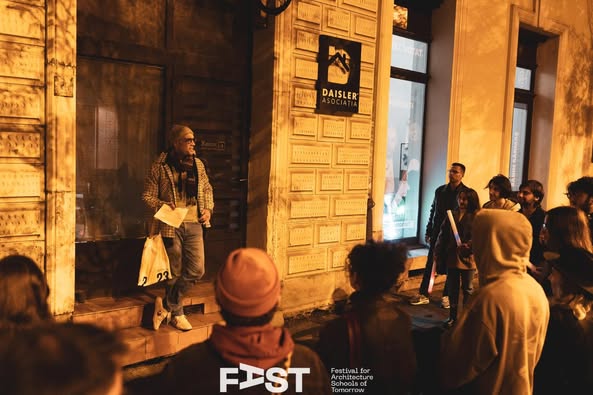
Death à la Cluj with Ionuț Julean
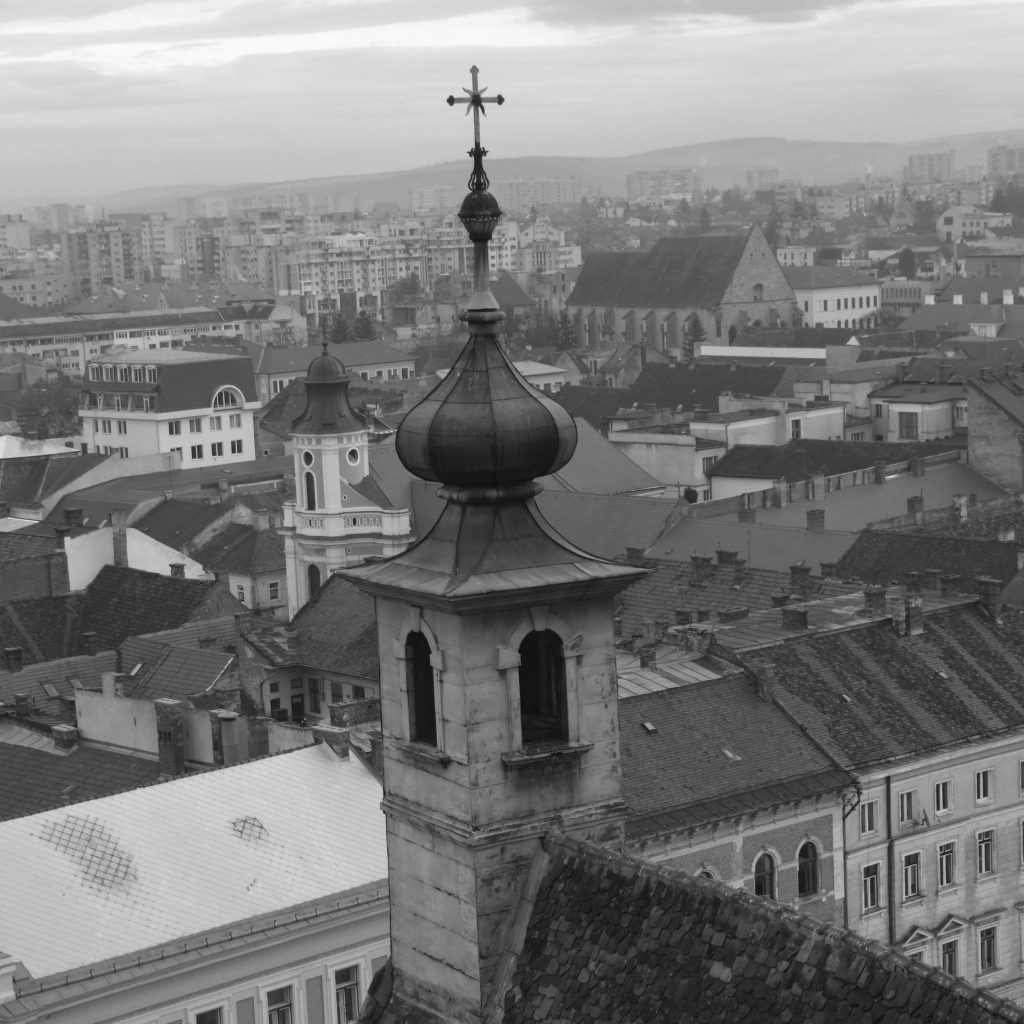
The day after Illumination / Day of the Dead / All Saints' Day, we propose a unique foray into the history of the city from the perspective of eternity. Just as fugit irreparable tempus and nothing is eternal, because even the graves "change" or "renew" according to the fashion of time, so the "Házsongárd" cemetery, once considered the Transylvanian Pantheon, reflects all the changes produced in Cluj funerary architecture for over three centuries (funeral monuments, tombs, crypts). "Established" after the plague epidemic that haunted the city in 1585, extended for a long time and currently considered "closed", the "Házsongárd" cemetery, classified as a historical monument, is also, unfortunately, witness to continuous mutilation, because even the dead do not escape the mercantile interests of contemporary society. The visit ends in the undisturbed silence of the large crypt of the "Holy Trinity" Jesuit Church (the first Baroque-style religious building in Habsburg Transylvania). The tour is sold out. Thank you!
Unitarian Heritage: The Unitarian Church and the House of Religious Freedom with Imola Kirizsán
The Unitarian faith was established in Cluj in the context of the Protestant reform. The year 1568 is considered the founding year of the Unitarian Church, as the more radical version of Protestantism. Cluj's long-standing connection to Unitarianism offers a rich architectural heritage, which this tour explores in depth. Key highlights include the Unitarian Church, built in the late 18th century, and the former residence of the Unitarian bishop—now known as the House of Religious Freedom—a structure with origins dating back to the late 14th century. We'll have the chance to explore both ends of history—climbing up into the attics and descending into the medieval basements. The tour is sold out. Thank you!
Docomomo RO Tour – Postwar modernism in Cluj-Napoca with Cristina Purcar, Șerban Țigănaș, Ștefania Boca and Cătălin Pop
The guided tour offers an exploration of Cluj-Napoca's modernist architecture, visiting three landmarks: the Fashion House, the Mihai Viteazul Square Complex, and the Telephone Palace. Built during the 1960s and 1970s, these structures reflect the architectural trends of local modernism and how they integrate into a rich historical context. The Fashion House, built in 1970 and recently renovated, will be the tour's starting point. We will then move towards Mihai Viteazul Square (1960, architects Ioana Popa and Alexandru Nemeș), a complex of collective housing and services, appearing as urban ”infills” or standalone buildings in the historical context of the city's old market place. The final stop will be the Telephone Palace (1968, architect Vasile Mitrea), built as an extension of the Post Palace (1891), and representing an exceptional example of Cluj’s architecture from that era. The tour is sold out. Thank you!
2 hrs
City
General public