Category: Activations

 Nextgen at FAST: A Board Game That Rehearsed the Architecture Job Interview—Without the Pressure 

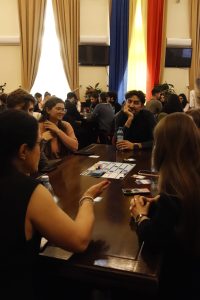
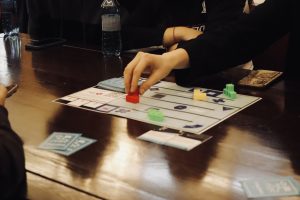
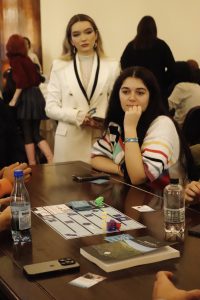
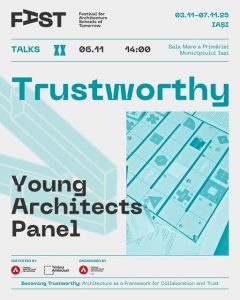
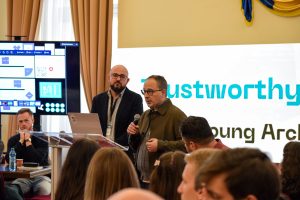
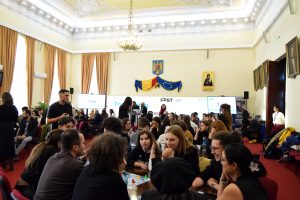
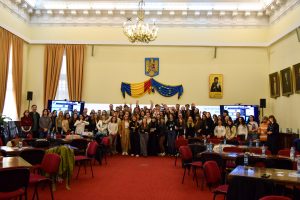
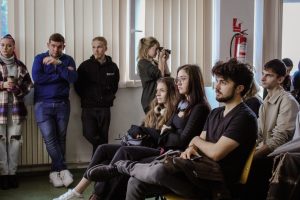
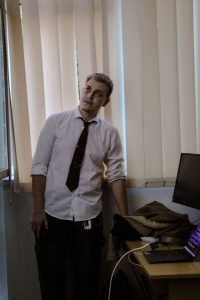
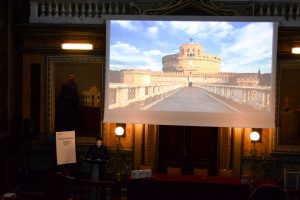
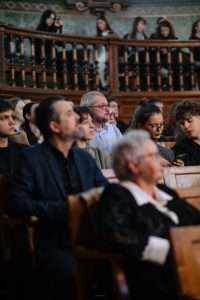
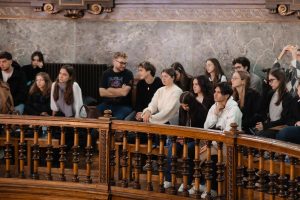
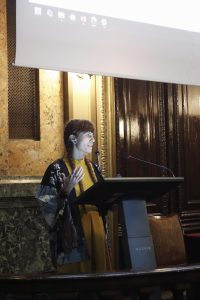
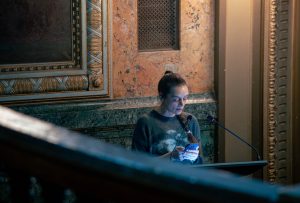
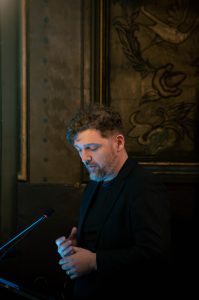
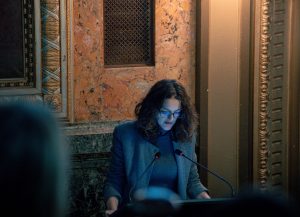
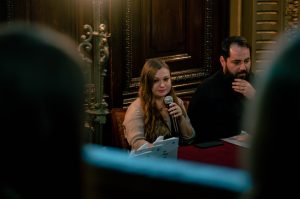
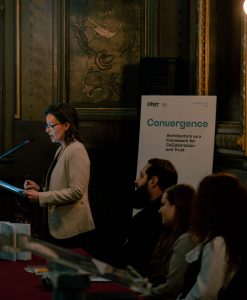
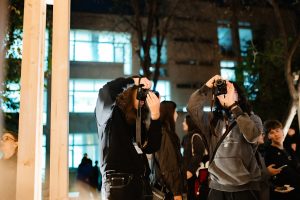
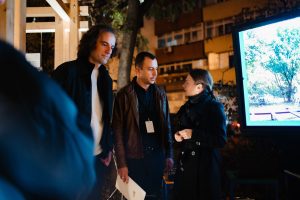
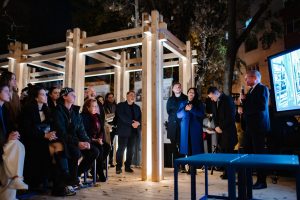
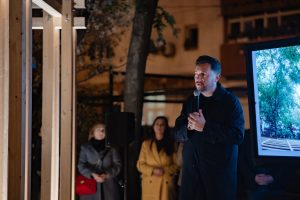
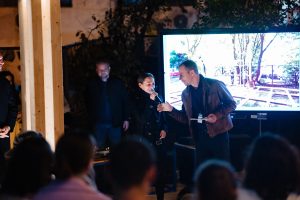
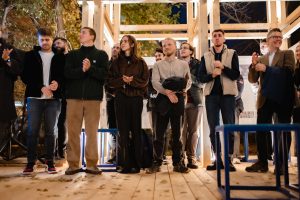
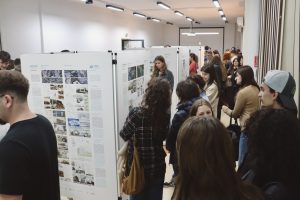
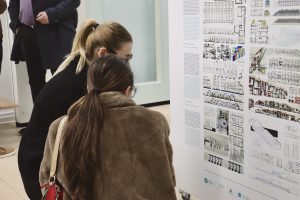
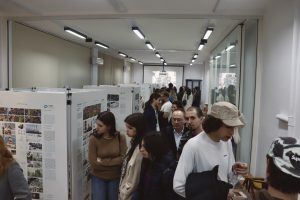
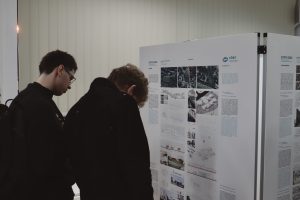
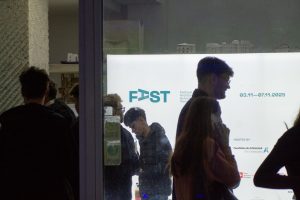
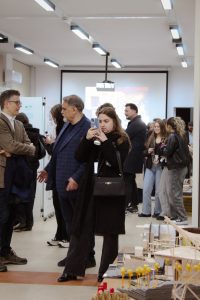
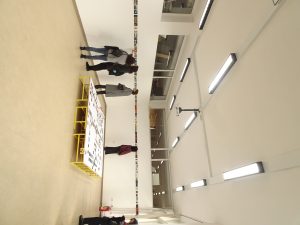
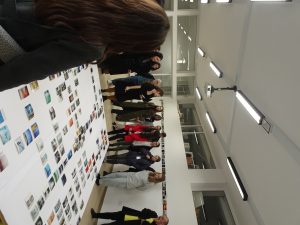
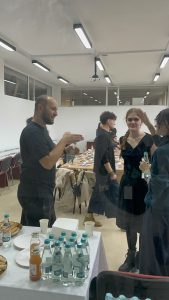
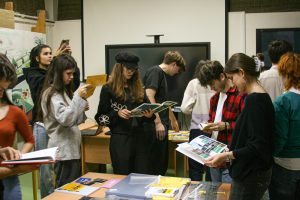
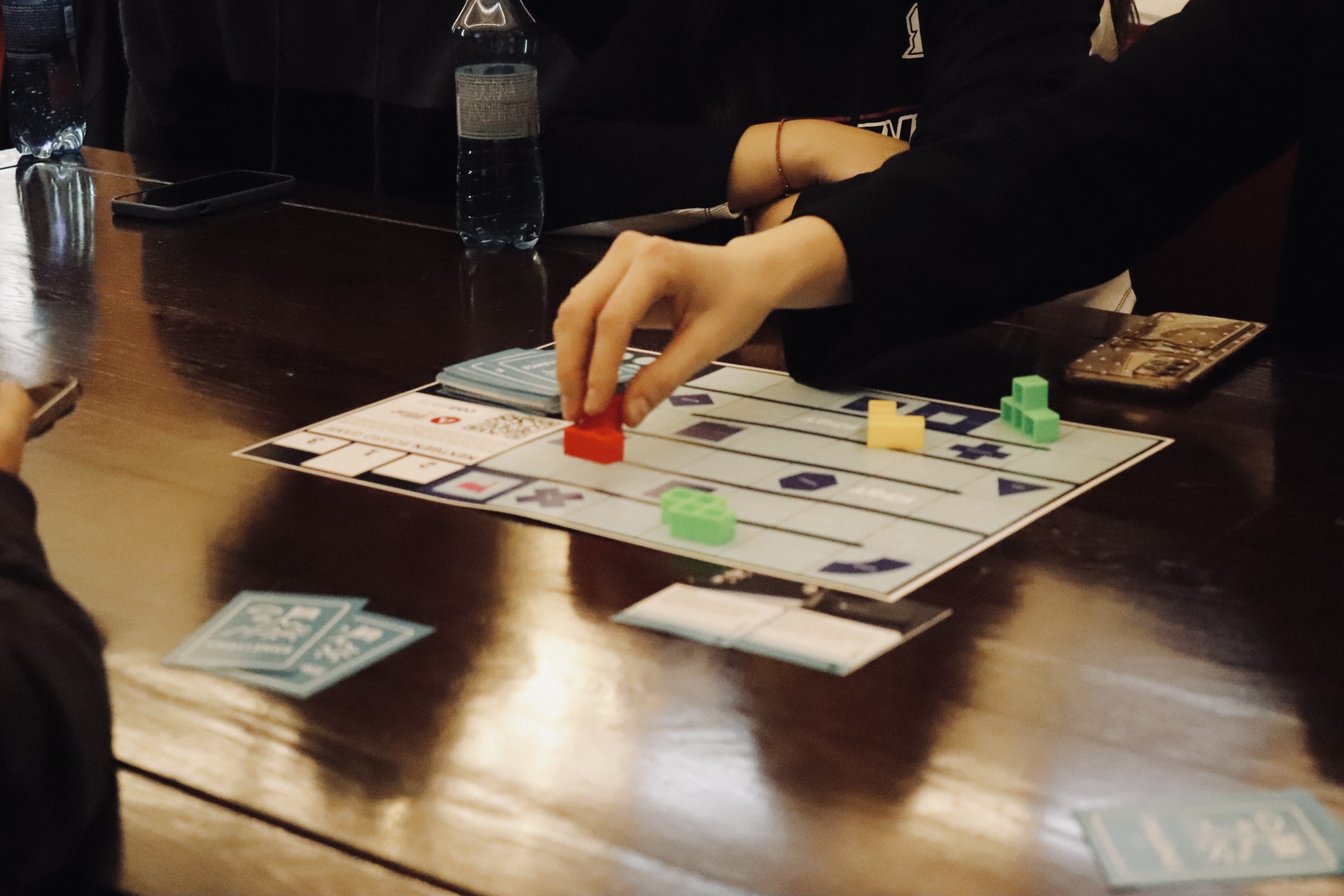
On the fourth day of the FAST festival, on November 6, Iași City Hall hosted one of the most anticipated sessions for early-career architects: Trustworthy – Young Architects Panel. The event marked the launch of “Nextgen,” an educational board game designed to simulate not only the formal steps of a job interview in an architecture office, but also the informal cues and unspoken dynamics that often shape hiring outcomes. 

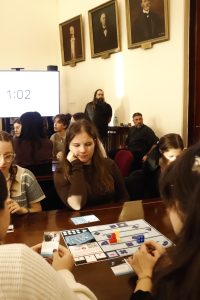
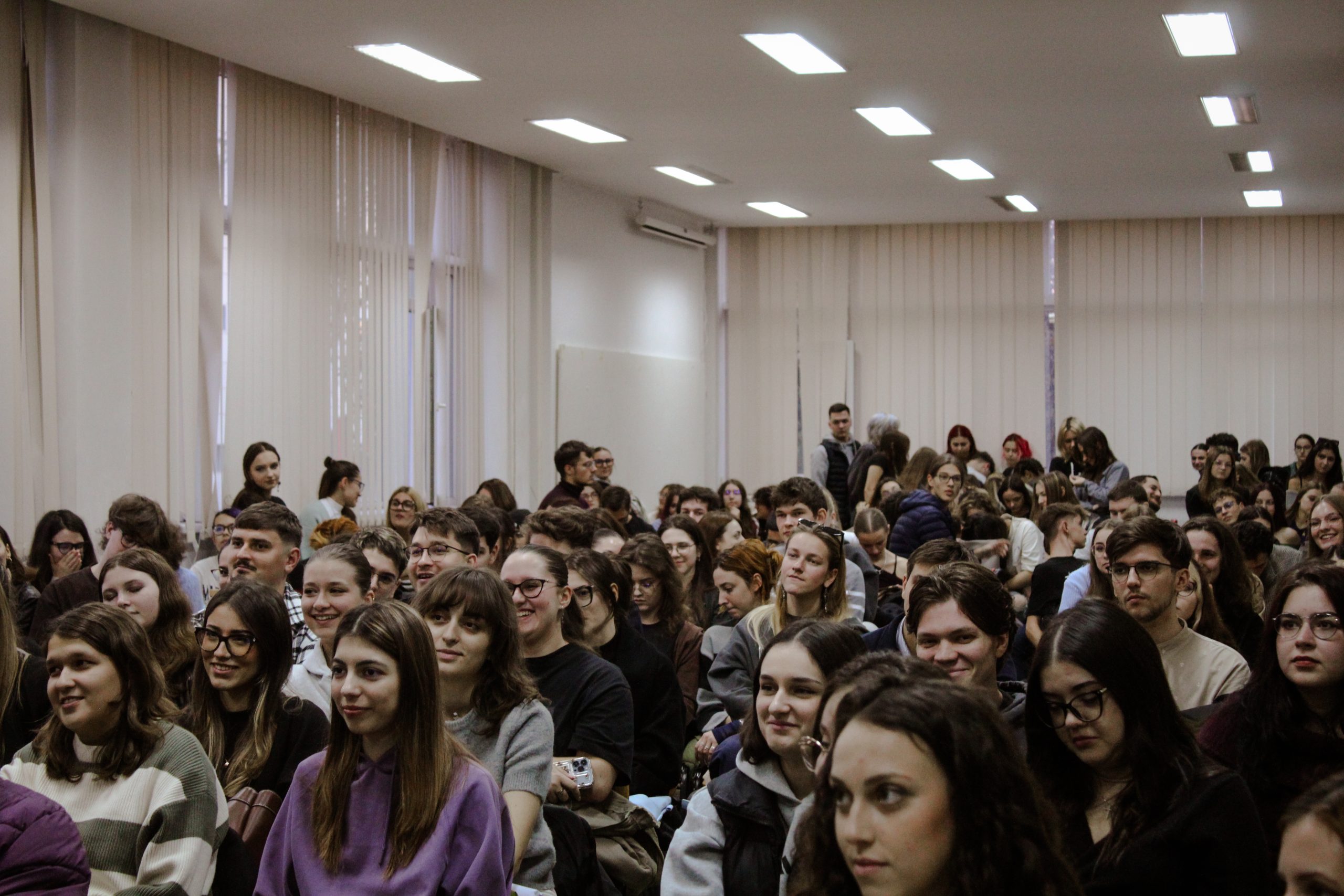
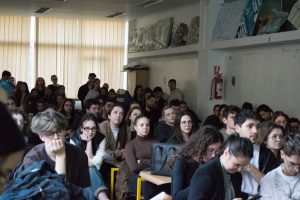
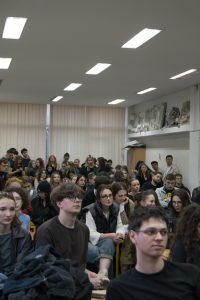
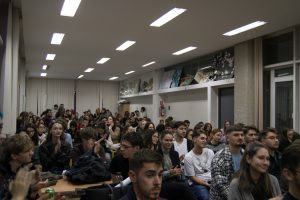
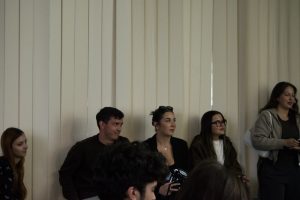
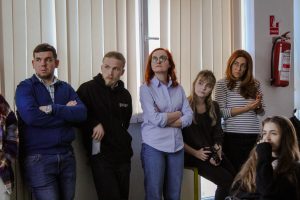
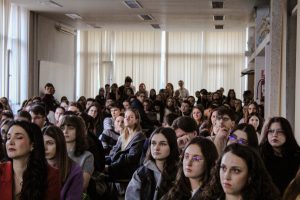
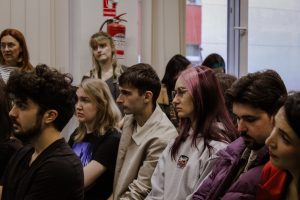
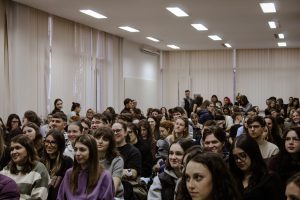
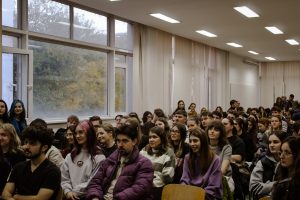
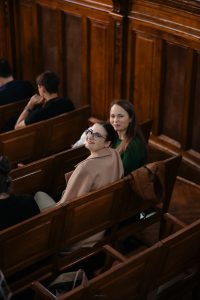
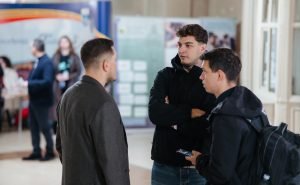
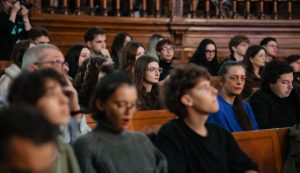
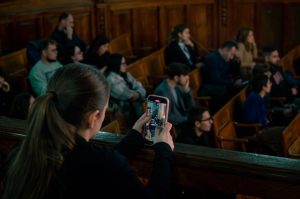
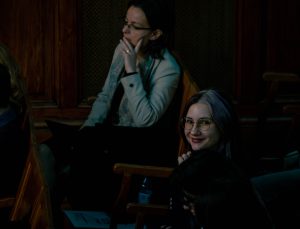
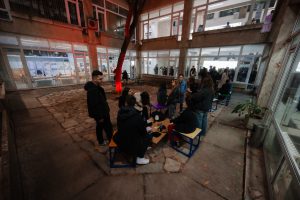
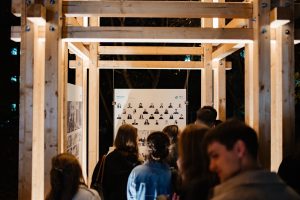
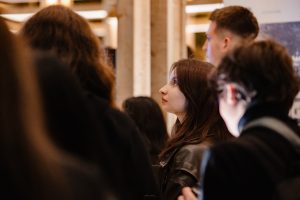
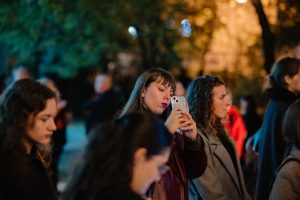
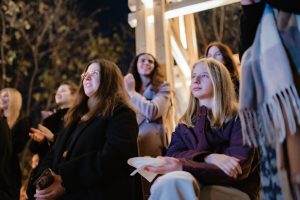
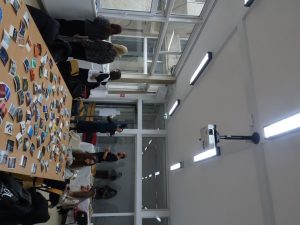
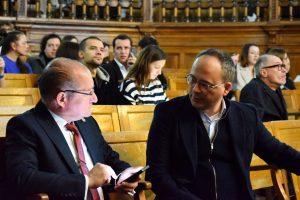
The turnout spoke for itself; the venue quickly proved too small: the room filled beyond capacity, and the audience’s focus made it clear how relevant this topic felt to students and young architects. Many arrived looking for something rarely offered in school, a space where the realities of entering the profession could be explored honestly, without judgment. 

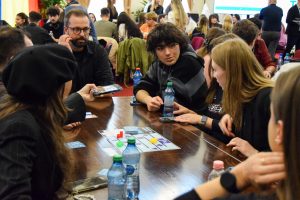
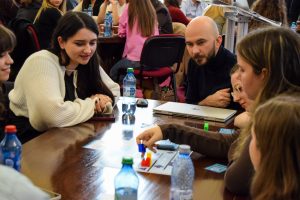
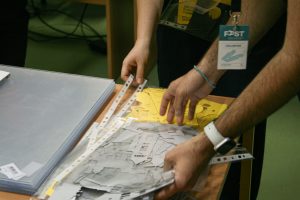
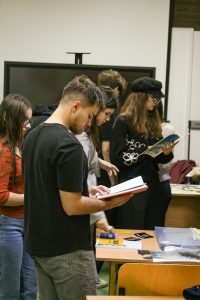
Through the game, participants moved through interview-style scenarios in a safe, low-stakes environment. Instead of performing under pressure, they tested responses, reflected on outcomes, and compared experiences with peers. The game-based format encouraged openness and active participation, turning what could have been a standard panel into a hands-on learning experience. 

As the rounds unfolded, the game brought forward a set of needs that young architects often carry quietly into their first interviews. Participants discussed managing nerves and anxiety, dealing with ambiguity, and understanding what employers truly looked for beyond a polished CV or portfolio. Just as importantly, the session created a collaborative space for questions that were rarely addressed during formal education:  

  • How did you set boundaries early on?  
  • What did a healthy professional relationship look like inside a studio?  
  • How did you ask the right questions without sounding “difficult”?  
  • And how did you read an office culture before committing to it? 

The conversations that followed each gameplay moment highlighted a key point: a strong portfolio did not tell the whole story. Communication, adaptability, clarity in real-time discussion, and the ability to “read the room” often mattered just as much, yet these were skills most participants had little chance to practice in academic settings. In that sense, “Nextgen” functioned as more than a learning tool; it became a shared reflection on the transition from university to professional life. 

The board game was developed by architect Alexandru Sescioreanu, drawing on more than eight years of direct experience working with interns in his own office. That practical background showed in the realism of the scenarios, and in how quickly participants recognized themselves in the situations the game proposed. 

By the end of the session, attendees left with concrete insights and a strong sense of community: reassurance that their concerns were shared, and that the “hidden curriculum” of interviews could be learned, practiced, and discussed openly. The full room and the depth of engagement turned the event into a standout moment of this FAST edition, confirming that the next generation sought not only technical competence, but also guidance for navigating the human side of architectural practice. 


Photo credit: Costoaea Anghelina, Avasilcai Maria On the fourth day of the FAST festival, on November 6, Iași City Hall hosted one of the most anticipated sessions for early-career architects: Trustworthy – Young Architects Panel. The event marked the launch of “Nextgen,” an educational board game designed to simulate not only the formal steps of a job interview in an architecture office, but also the informal cues and unspoken dynamics that often shape hiring outcomes. 
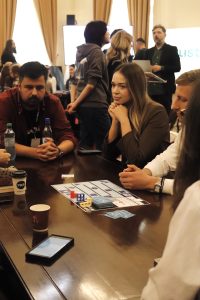
The turnout spoke for itself; the venue quickly proved too small: the room filled beyond capacity, and the audience’s focus made it clear how relevant this topic felt to students and young architects. Many arrived looking for something rarely offered in school, a space where the realities of entering the profession could be explored honestly, without judgment. 

Through the game, participants moved through interview-style scenarios in a safe, low-stakes environment. Instead of performing under pressure, they tested responses, reflected on outcomes, and compared experiences with peers. The game-based format encouraged openness and active participation, turning what could have been a standard panel into a hands-on learning experience. 

As the rounds unfolded, the game brought forward a set of needs that young architects often carry quietly into their first interviews. Participants discussed managing nerves and anxiety, dealing with ambiguity, and understanding what employers truly looked for beyond a polished CV or portfolio. Just as importantly, the session created a collaborative space for questions that were rarely addressed during formal education:  

  • How did you set boundaries early on?  
  • What did a healthy professional relationship look like inside a studio?  
  • How did you ask the right questions without sounding “difficult”?  
  • And how did you read an office culture before committing to it? 

The conversations that followed each gameplay moment highlighted a key point: a strong portfolio did not tell the whole story. Communication, adaptability, clarity in real-time discussion, and the ability to “read the room” often mattered just as much, yet these were skills most participants had little chance to practice in academic settings. In that sense, “Nextgen” functioned as more than a learning tool; it became a shared reflection on the transition from university to professional life. 

The board game was developed by architect Alexandru Sescioreanu, drawing on more than eight years of direct experience working with interns in his own office. That practical background showed in the realism of the scenarios, and in how quickly participants recognized themselves in the situations the game proposed. 

By the end of the session, attendees left with concrete insights and a strong sense of community: reassurance that their concerns were shared, and that the “hidden curriculum” of interviews could be learned, practiced, and discussed openly. The full room and the depth of engagement turned the event into a standout moment of this FAST edition, confirming that the next generation sought not only technical competence, but also guidance for navigating the human side of architectural practice. 


Photo credit: Costoaea Anghelina, Avasilcai Maria 
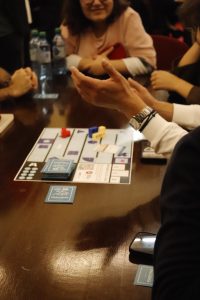


First Aid Training Prepared FAST 2025 Volunteers for High-Capacity Festival Days 

Ahead of FAST: Festival for Architecture Schools of Tomorrow 2025, student volunteers participated in a dedicated first aid training organized in partnership with the SMURD Foundation through the Arhitecți pentru Viață (Architects for Life) program. The workshop was conceived as a concrete preparation step for a festival that brought together large daily audiences and required a responsible approach to safety. 

Led by SMURD specialists, the training combined theoretical instruction with hands-on exercises focused on emergency response, critical decision-making, and essential life-saving techniques. Participants learned how to recognize high-risk situations, how to assess a scene safely, and how to intervene until professional medical support arrives. The practical component allowed each volunteer to rehearse procedures individually, building confidence through guided repetition. 

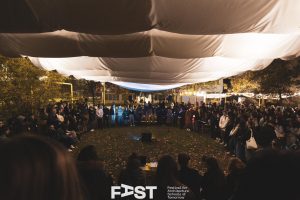
This preparation proved especially important given the scale of FAST 2025. Each festival day welcomed over 700 attendees across talks, exhibitions, workshops, and public events. The presence of trained volunteers strengthened the organizing team’s ability to respond calmly and efficiently to unexpected situations, reinforcing a shared culture of responsibility within the festival community. 

For the student volunteers, the course offered more than technical knowledge. It created a sense of readiness and reassurance that extends beyond the festival context. The ability to act in critical moments is a transferable skill, relevant in both professional and personal life, and aligns with FAST’s broader commitment to forming responsible future architects. 

The FAST team extends its sincere thanks to the SMURD Foundation and its volunteer instructors for standing alongside us and supporting this initiative. Their continued collaboration helps cultivate a culture of preparedness and care within our community and contributes directly to the well-being of everyone involved in the festival. 

Through partnerships like this, FAST 2025 demonstrated that architectural education goes beyond design and theory. It also includes learning how to care for the people who share our spaces. 


Photo credit: Costoaea Anghelina 


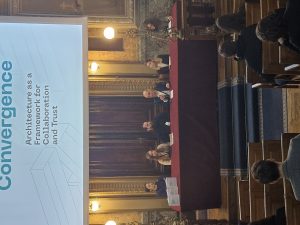
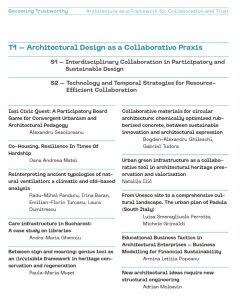
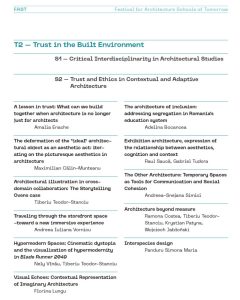
CONVERGENCE 2025: Architecture as a Framework for Collaboration and Trust 

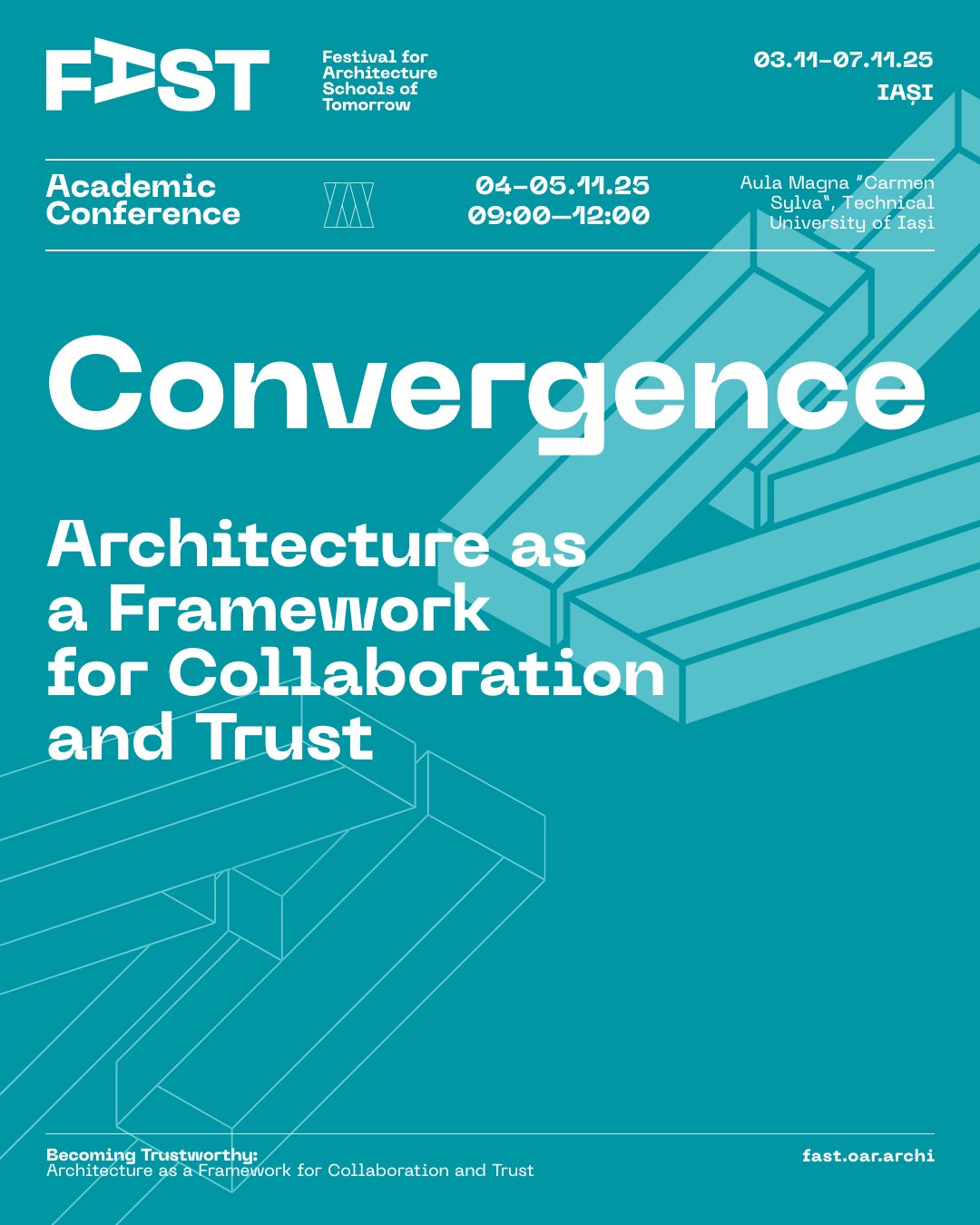
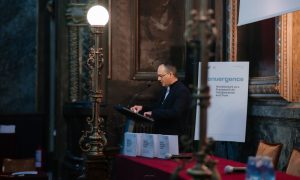
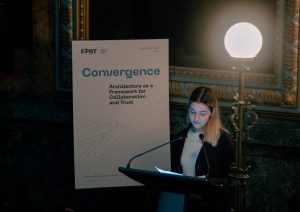
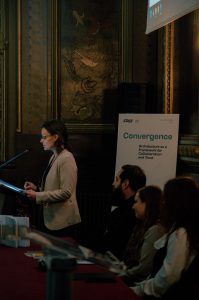
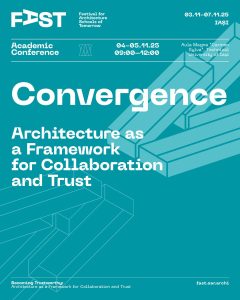
At FAST: Festival for Architecture Schools of Tomorrow, the mornings of November 4 and 5 were spent at the Aula Magna “Carmen Sylva” of the Gheorghe Asachi Technical University of Iași, where the scientific conference CONVERGENCE: Architecture as a Framework for Collaboration and Trust unfolded as one of the festival’s central academic moments. 

The conference was conceived as a space for reflection and exchange on the evolving role of architecture as a multidisciplinary medium, one capable of fostering collaboration, trust, and innovation in contemporary society. Over the course of two days, CONVERGENCE brought together scholars, educators, researchers, and practitioners from architecture, urban studies, engineering, and related fields, creating a shared platform for dialogue across disciplines. Within this setting, architecture was discussed not only as a professional practice, but as a cultural and operational framework through which collective action could be articulated and sustained. 

 The designation “Convergence” carried a layered meaning that resonated strongly with current architectural discourse. In a scientific and academic sense, convergence referred to the coming together of disparate elements—ideas, disciplines, technologies, and stakeholders—into a unified whole, often generating outcomes that exceeded the sum of their individual parts. This understanding closely aligned with contemporary architectural research and practice, where the discipline increasingly operated at the intersection of social needs, environmental concerns, and technological transformation. Architecture was thus framed as an integrative structure, one that facilitated cooperation and enabled shared responsibility within complex systems.  

This conceptual foundation was closely connected to FAST’s broader thematic framework, “Becoming Trustworthy: Architecture as a Framework for Collaboration and Trust”. Rather than treating trust as an inherent or static quality, the conference approached it as a condition that architecture continuously had to earn. Trust was discussed as emerging through competence, care, accountability, and long-term engagement with communities and contexts. In this sense, architecture was repositioned as an active participant in a wider trust ecosystem—one in which built form, process, and decision-making were inseparable from ethical and social responsibility. 

Throughout the conference, architecture was consistently understood as a living framework, rather than a fixed artifact. Presentations and discussions emphasized its capacity to mediate relationships between stakeholders, bridge cultural and disciplinary divides, and support collaborative modes of problem-solving. Convergence, in this context, was not merely a conceptual theme, but a necessary condition for addressing pressing global challenges, including climate change, social inequity, and the ongoing digital transformation of the built environment.  

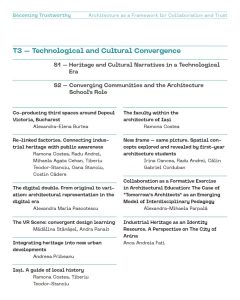
These conceptual directions were reflected directly in the structure of the conference programme. The two-day schedule was organized into thematic sessions that explored participatory and interdisciplinary design practices, sustainable and resource-efficient strategies, technological innovation and material experimentation, ethical considerations in architectural practice, and the reinterpretation of heritage as a cultural and social resource. A strong emphasis was also placed on architectural education, highlighting the architecture school as a formative environment where collaboration, critical inquiry, and trust-building practices were actively shaped.  

The format of CONVERGENCE encouraged dialogue rather than isolated presentation. Each session was followed by engaged Q&A discussions, allowing ideas to be tested, expanded, and questioned collectively. The accompanying poster exhibition further extended the space for exchange, enabling more informal conversations between authors and participants and reinforcing the conference’s collaborative ethos.  

Over the two days, the conference generated sustained interest around the topics addressed. Attendance remained consistent, discussions were active, and the level of engagement reflected a clear need for such a forum within both the academic and professional architectural landscape. The diversity of perspectives and the depth of the debates demonstrated how strongly the theme of collaboration and trust resonated with current research concerns.  

In retrospect, CONVERGENCE 2025 affirmed its role as a key academic pillar of the FAST festival. It reinforced the importance of research as an essential component of architectural culture and provided visibility to emerging and ongoing scholarly work. By bridging theory and practice, and by situating architecture within a broader network of disciplines and societal challenges, the conference contributed to strengthening a culture of collaboration and trust within the profession. 


As part of FAST’s long-term vision, CONVERGENCE confirmed the role of architectural research as an active force in shaping the future of the built environment, one grounded not only in design excellence, but also in shared values, collective knowledge, and the continuous process of becoming trustworthy. 


Photo credit: Avasilcai Maria, Costoaea Anghelina, Dodo, Bumbu Oliver 


The FAST 2025 Pavilion @Iași 

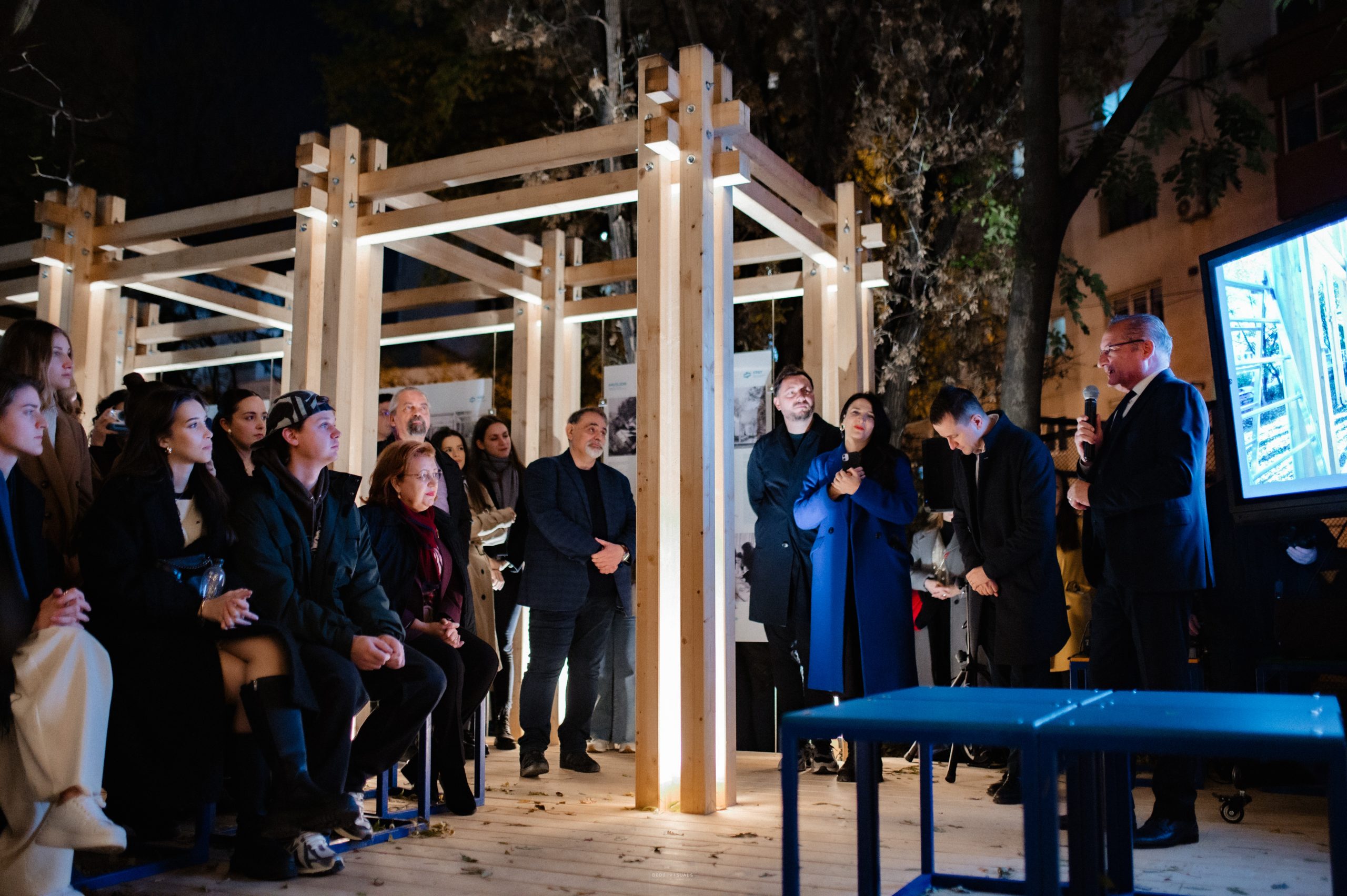
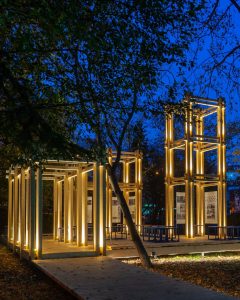
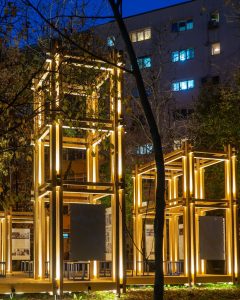
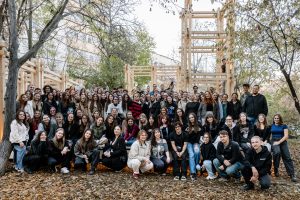
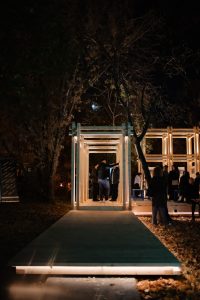
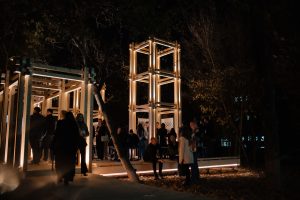
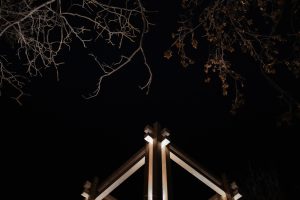
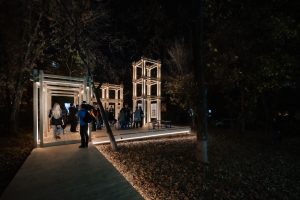
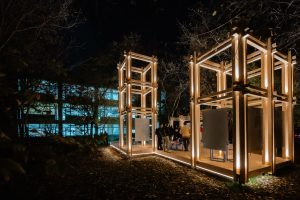
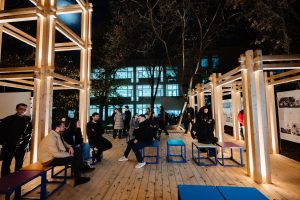
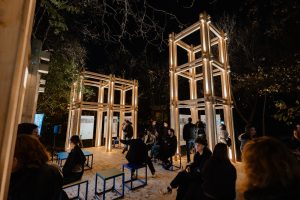
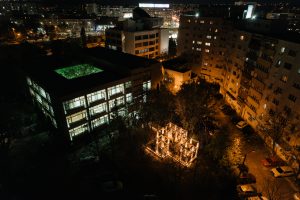
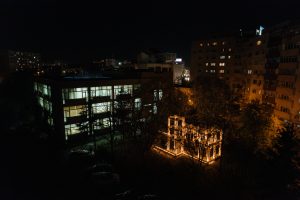
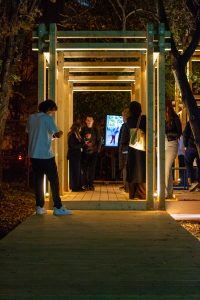
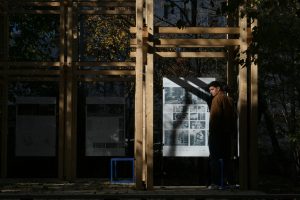
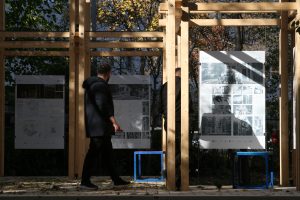
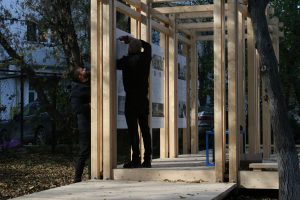
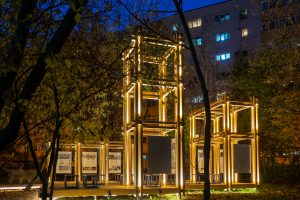
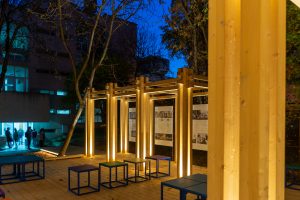
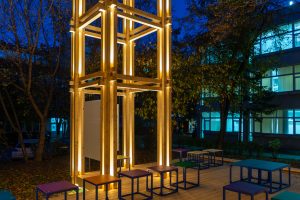
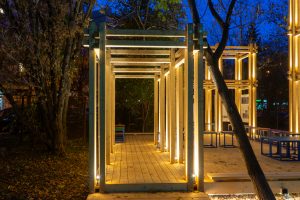
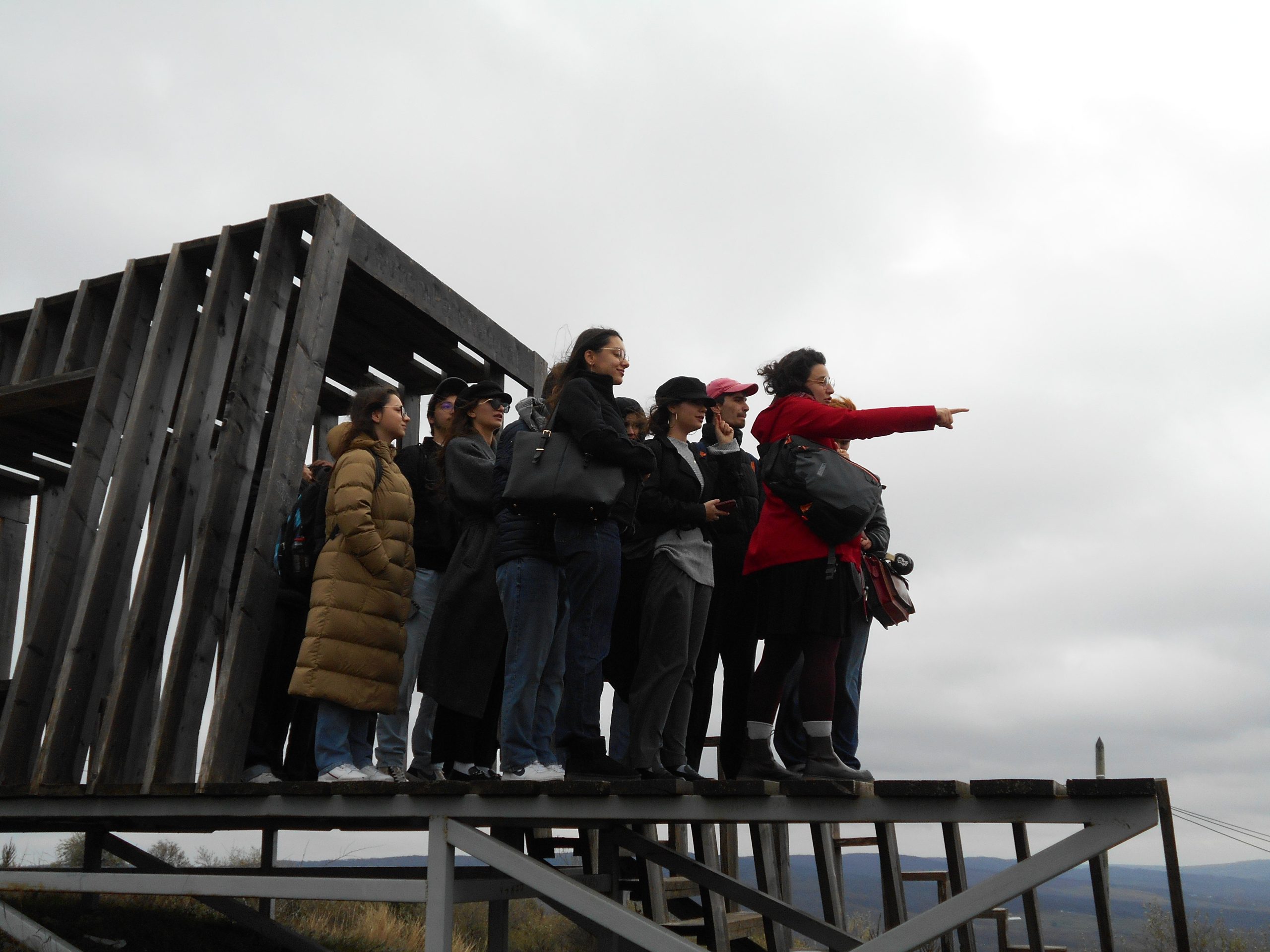
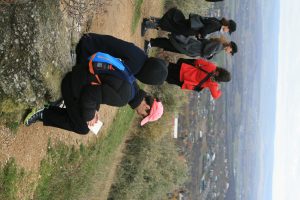
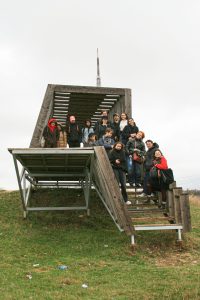
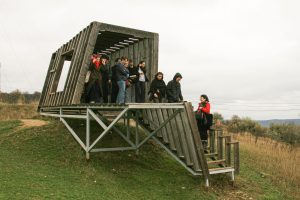
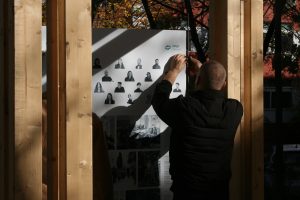
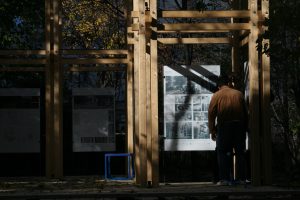
The FAST 2025 Pavilion was unveiled at the “G.M. Cantacuzino” Faculty of Architecture in Iași, marking the completion of a collective building process carried out during the festival’s #BuildUp week. Visitors discovered three distinct volumes that were designed and constructed through the joint effort of students from Romania’s five architecture schools, working under the guidance of their tutor professors. The opening moment became both a public celebration of intense work and a clear demonstration of what collaboration can produce when responsibilities and trust are shared. 

Conceived as a long-lasting structure, the FAST Pavilion was designed to remain in place for five years, until FAST, Architecture Schools of Tomorrow, returned to Iași. Rather than functioning as a temporary installation, it was positioned as a flexible, practical space meant to serve students and professors alike. Over time, it was expected to host educational and recreational activities and to remain open to the community as a platform for meeting, learning, and informal exchange. 

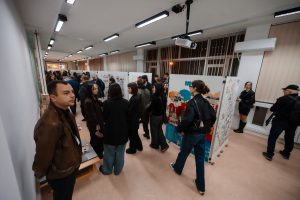
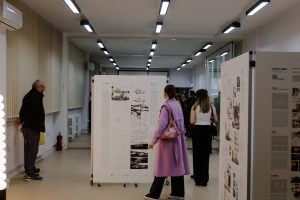
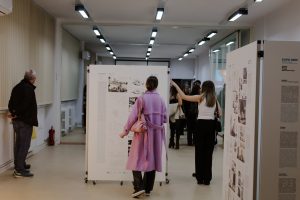
The pavilion opening was accompanied by an exhibition presented by the host school, the “G.M. Cantacuzino” Faculty of Architecture. Bringing together student work from all years of study, the exhibition offered a snapshot of the faculty’s identity and pedagogical directions, and it provided an essential context for the environment in which the pavilion’s ideas and methods took shape. 

At every FAST edition, the five participating schools collaborated on designing and building a pavilion with the aim of activating the city and inviting local communities to reflect on architecture beyond the classroom. In Iași, the 2025 pavilion continued this tradition by translating the festival theme, Becoming Trustworthy, Architecture as a Framework for Collaboration and Trust, into a built structure. The project showed how trust was developed through coordinated teamwork, a shared construction timeline, and the commitment to deliver something useful for others, not just for the duration of the festival, but for the years that followed. 

A short video featuring voices from those involved in the pavilion was available here: https://www.facebook.com/reel/2220888915089506  

Photo credit: Ionuț Dohotariu, Matei Ana Maria 


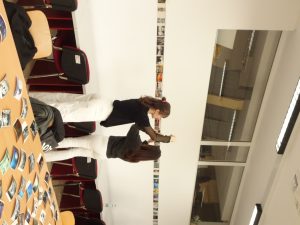
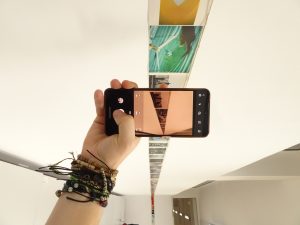
The broken telephone workshop @FAST 2025   

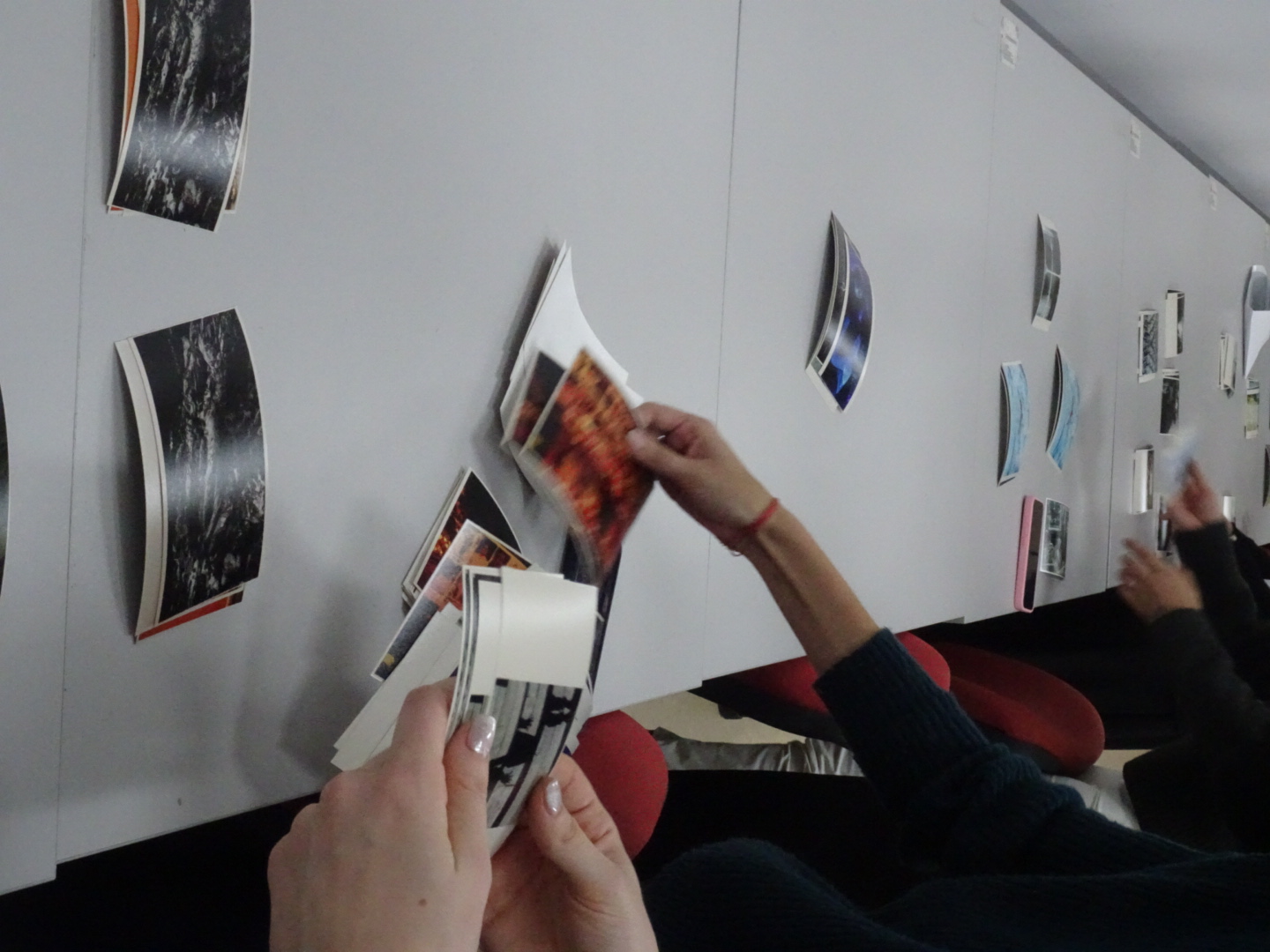
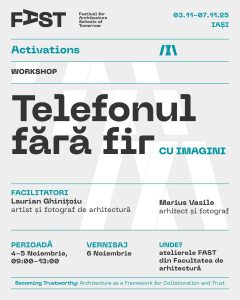
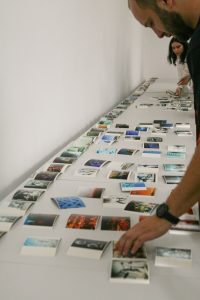
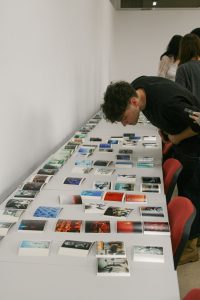
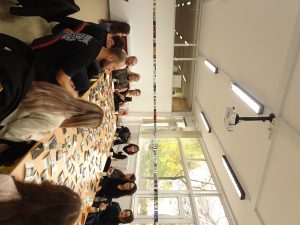
The workshop Telephone Without Wires (with Images) took place on 4–5 November 2025, between 9:00–13:00, bringing together 20 architecture students (four from each participating faculty) in the FAST workshop spaces at the Faculty of Architecture. The atelier was facilitated by Laurian Ghinițoiu, artist and architectural photographer, and Marius Vasile, architect and photographer. Designed specifically for architecture students, the workshop created a critical and experimental environment in which participants examined how images circulate, transform, and influence perception in contemporary culture. 

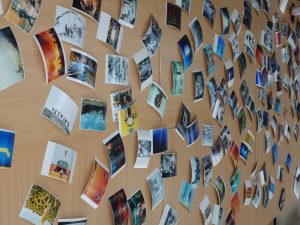
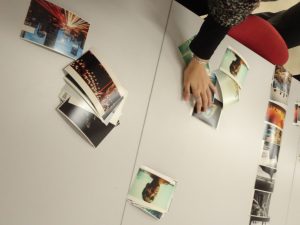
Starting from the premise that we live in an era of instant visual transmission, the workshop investigated how meaning shifts when images are repeatedly interpreted and retransmitted. Inspired by the childhood game of “telephone,” the exercise replaced whispered words with visual material. Each participant received an initial image, interpreted it, and produced a transformed version. That result was then passed to the next participant, who continued the chain. With every step, elements were lost, invented, exaggerated, or reinterpreted. 

Through this process, students explored how authorship dissolves in collective communication and how visual information is never neutral. The workshop encouraged reflection on trust, distortion, memory, and the fragile nature of representation — themes highly relevant to architectural imagery and media culture. Participants actively explored how photographs and drawings can manipulate narrative, construct meaning, and shape public understanding of architecture. 

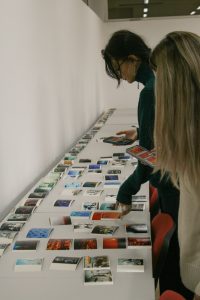
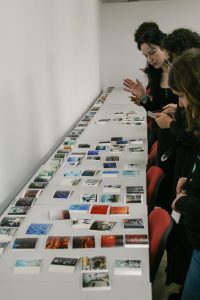
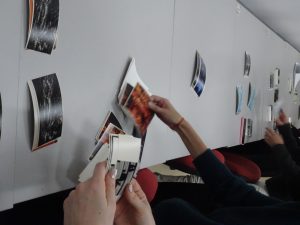
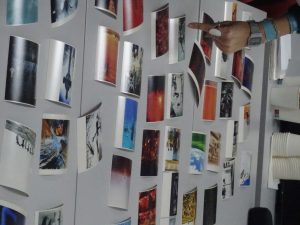
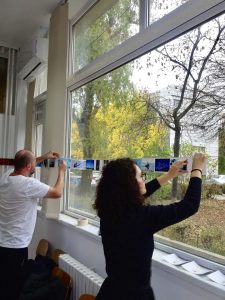
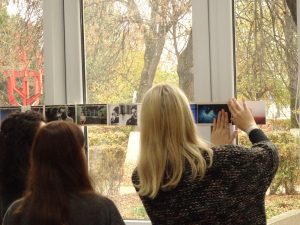
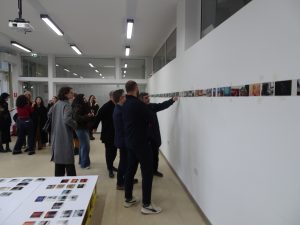
The complete image chains were assembled and presented during a public vernissage on 6 November 2025, revealing the gradual drift of meaning from the first image to the last. Some sequences maintained surprising continuity, while others transformed radically, exposing how interpretation accumulates layers of subjectivity. The final exhibition allowed viewers to trace the evolution of each visual message and reflect on the mechanics of communication itself. 

The workshop was highly appreciated for generating a playful yet intellectually sharp learning experience. Students explored the instability of images and gained awareness of their responsibility as future architects working in a visually saturated environment. Guided by professional photographers and architects, participants engaged in a process that combined experimentation, critique, and collaboration — demonstrating how visual culture can be both a tool and a question within architectural education. 


Photo credit – Grosu Andrei Liviu, Anghel Ecaterina, Matei Ana Maria 


Affective cartographies workshop @ FAST 2025 

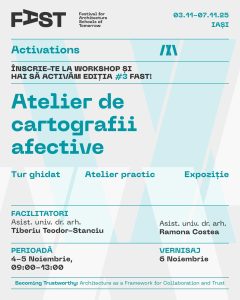
The Affective Cartographies workshop, facilitated by Assist. Prof. PhD Arch. Tiberiu Teodo-Stanciu and Assist. Prof. PhD Arch. Ramona Costea, took place on 4-5 November 2025, between 9:00–13:00, bringing together 15 architecture students (three from each participating faculty).  

The workshop unfolded across two complementary settings, the historic center of Iași and the FAST workshop space at the Faculty of Architecture, and proposed a poetic investigation into the relationship between city, perception, and memory. 

Designed specifically for architecture students, the workshop encouraged participants to explore the city not only as built fabric, but as a field of emotions, recollections, and personal interpretations. Guided by the facilitators, students approached urban space as a living archive shaped by subjective experience. The theme of convergence framed the process: individual perceptions gradually merged into a collective emotional map. 

The first stage consisted of a two-hour guided sensory walk through central Iași. Participants documented the city through photography, handwritten notes, and rapid sketches, focusing on textures, rhythms, atmospheres, fragments of sound, and fleeting impressions. Rather than analyzing infrastructure or typology, students explored how the city is felt and remembered. This exploratory phase emphasized intuition, attention, and emotional awareness as architectural tools. 

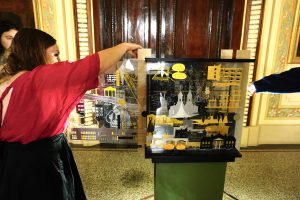
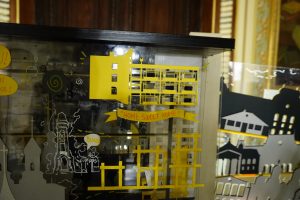
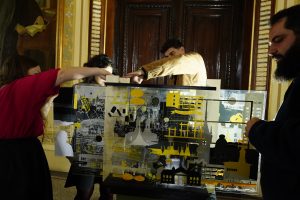
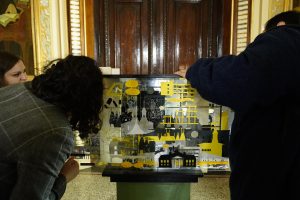
Back in the workshop space, the group translated these experiences into physical artifacts. Each participant produced a two-dimensional collage on a 50 × 50 cm plexiglass panel, layering cut silhouettes of buildings with drawings and handwritten text in white marker. The transparent surfaces allowed overlapping narratives to coexist, symbolizing how multiple readings of the same city can occupy the same space. 

All works were assembled into a shared installation resembling sliding dioramas, which could be rearranged and viewed from multiple angles. This format highlighted the fluidity of perception and invited viewers to actively reinterpret the collective map. The final results were presented during a public vernissage on 6 November 2025, marking the culmination of the workshop. 

The atelier was widely appreciated for the type of experience it generated: immersive, reflective, and collaborative. Students explored the emotional dimension of architecture and urban space, developing new ways of observing, recording, and translating lived experience into visual language. Supported and guided by experienced architects and educators, the workshop created a rare environment where poetic inquiry and architectural thinking converged, reinforcing the idea that cities are not only constructed, they are continuously felt, remembered, and rewritten by those who inhabit them. 

Photo credit – Matei Ana Maria, Apetrii Maria 


The Architects’ Tram sets Iași in Motion at FAST 

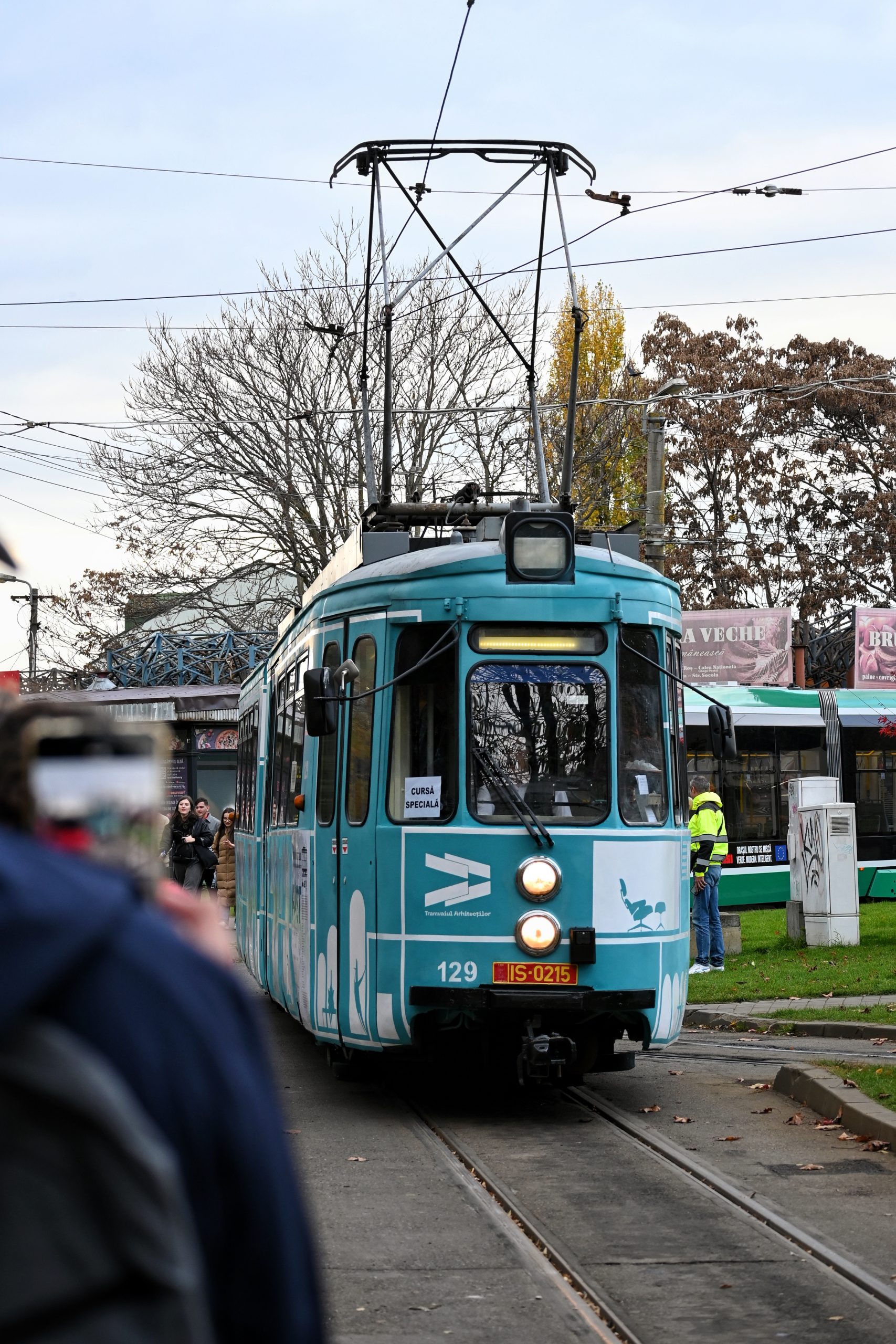
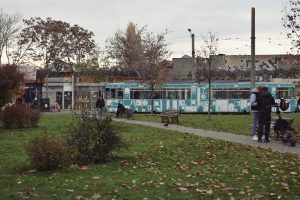
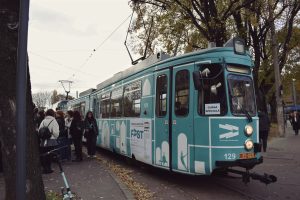
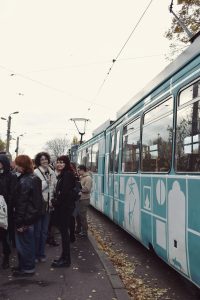
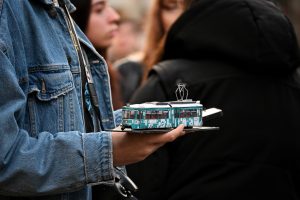
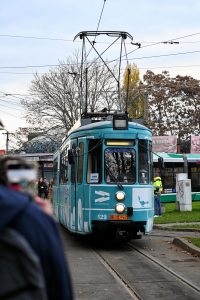
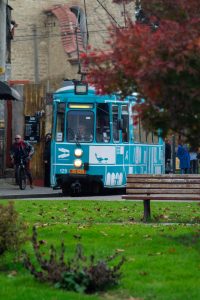
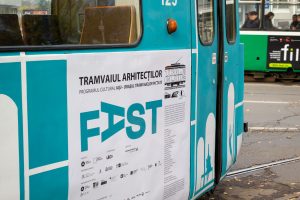
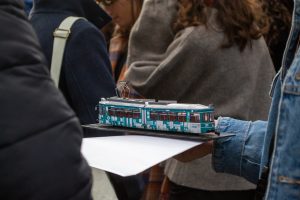
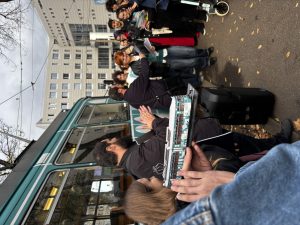
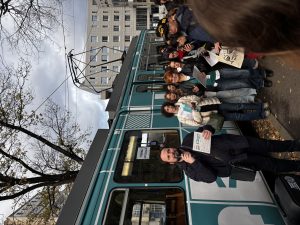
On 4 November 2025, the second day of FAST 2025 (3rd edition), held in Iași, the FAST community gathered in Târgu Cucu for a landmark moment: the unveiling of the FAST tram, titled The Architects’ Tram. Students, professors, practitioners, and curious passers-by came together around it, turning public transport into a shared framework for urban discovery and a conversation starter about the city. 

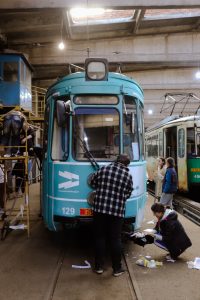
The project was created by students, coordinated by the Tramclub Iași Association, and supported by the Iași Public Transport Company, the “G.M. Cantacuzino” Faculty of Architecture in Iași, the Iași Architecture Students Association, and the Romanian Order of Architects. Presented as a collective work, The Architects’ Tram took shape through collaboration, hands-on workshop practice, and careful attention to detail, bringing together graphic design, craftsmanship, and spatial thinking in a piece visible at city scale. 

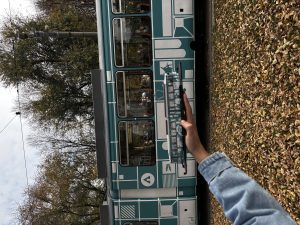
Developed as part of the cultural program Iași – the city of painted trams, the concept revolves around the window as a symbol of openness, communication, possibility, collaboration, transparency, and trust. The tram’s exterior became a façade made of many windows, inviting the public to read architecture through small and large gestures alike, through objects, forms, moments, and symbols. The “window” also became a way of seeing the city: from inside out, while moving, with attention constantly shifting between the close-up and the big picture. 

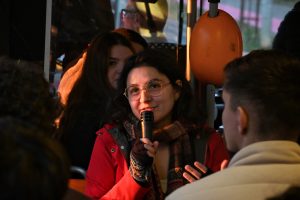
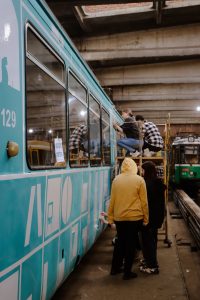
The opening carried the distinctive energy of an event where process and outcome meet. Scenes from the depot captured last-minute adjustments, surface work, and the students’ precise, methodical gestures, while in the city the tram quickly turned into a gathering point. Cold November light, fallen leaves, and the crowd clustered around the tram created a natural stage set, where the graphic intervention sat effortlessly within the everyday urban landscape. Inside, the windows framed faces, conversations, phones lifted for photos, and spontaneous reactions, blurring the line between daily routine and special occasion. 

The unveiling was accompanied by two guided tours. The tram ride followed Str. Cuza Vodă – Piața Unirii – Bulevardul Carol I – Rond Agronomie, ending on Str. Musicescu, near Râpa Galbenă. Three trams ran for the tour: The Architects’ Tram (created for FAST 2025), The Freedom Tram signed by Dan Perjovschi, and the Tourist/Café Tram. Seats were limited and participation followed the order of arrival, reinforcing the feeling of a moment happening in real time. 

After the ride, participants continued on foot, walking from Râpa Galbenă to Palace Square, extending the city reading into street-level pace. Moving from rails to walking shifted the scale of perception, from a city observed in motion to the textures of façades, the rhythm of streets, and the relationships between spaces. 

To close the day, two students from the Faculty of Architecture in Oradea, host city of FAST 2026 (4th edition), shared their impressions of the ride and their first-hand encounter with Iași. They described it as “a boom of architectural models and styles.” While Oradea is largely defined by Art Deco, Iași felt like an explosion of architecture visible both from the street and from the tram. They also highlighted the city’s layered terrain: climbing uphill, descending into valleys, and constantly discovering new viewpoints, which made Iași feel vividly alive. 

Once the tours ended, the tram remained more than a graphic object. It became an instrument of urban memory: a moving piece that continues to circulate and tell a story about collaboration, education, and how architecture can step off the page and into everyday life. 


Photo credit: Tiberiu Ifrim, Iuliana Marcu, Carpiuc Cosmin, Chifan Yolanda, Berescu Ana Maria 
 

Meet the Tutors: Pavilion FAST X5 2025

La fiecare ediție FAST, cele 5 școli participante colaborează la proiectarea și construirea unui Pavilion, cu scopul de a reda viață orașului orașului și de a invita comunitățile locale la reflecție. Cum ne apropiem cu pași repezi de ediția a treia a FAST: Festival for Architecture Schools of Tomorrow 2025, după ce v-am făcut cunoștință cu studenții implicați în proiectarea și construcția Pavilionului FAST, a venit timpul să îi descoperim pe cei care îi vor ghida pe parcursul acestui proces – tutorii.

Anul acesta, echipa de tutori reunește cadre didactice și arhitecți din toate centrele universitare partenere, profesioniști implicați în proiecte de cercetare, educație, regenerare urbană și culturală. Experiența lor diversă, de la studii academice și ateliere de proiectare până la implicarea în bienale, concursuri internaționale sau inițiative civice, le oferă studenților un sprijin valoros în procesul creativ.

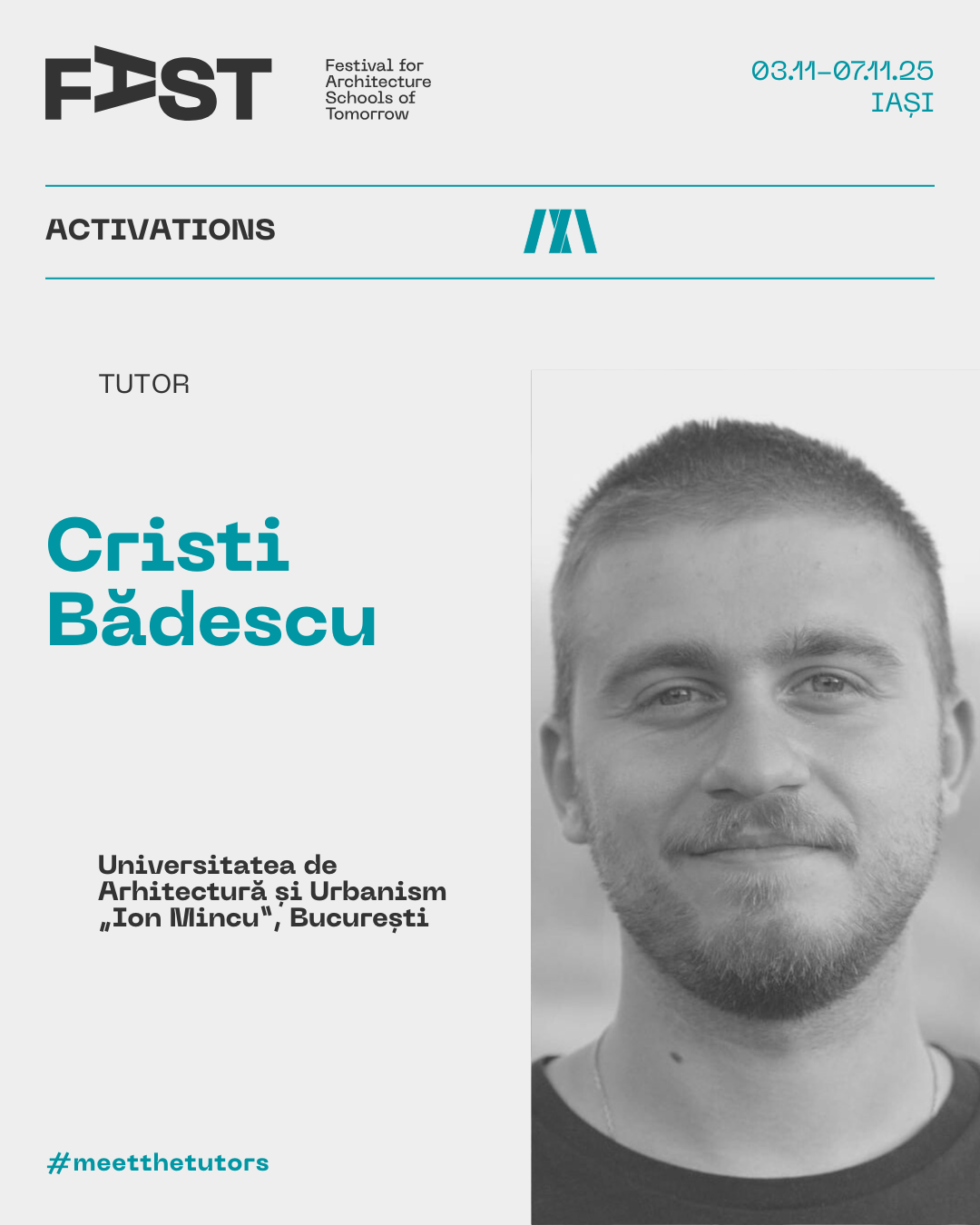
Vă invităm să îi cunoașteți pe rând pe cei care vor coordona echipele de studenți și vor contribui la conturarea Pavilionului FAST 2025: Cristi Bădescu, Ionuț Dohotariu, Francesca Hanga-Farcaș , Evelina Ursatii, Oana Filip și Costin Cădere.

#meetthetutors

Cristi Bădescu (UAUIM): Co-fondator al Atelierului VRAC, o practică interdisciplinară la intersecția dintre inițiative civice, educație în domeniul arhitecturii și comenzi private. Implicat în proiecte precum Fotbal în Traian – nominalizare Mies van der Rohe 2022, Pavilionul României – Bien.

Ionuț Dohotariu (FA GM Cantacuzino, Iași): Doctor în Arhitectură cu o teză dedicată unei metodologii de proiectare a arhitecturii adaptive, prin cercetarea instrumentelor pentru investigarea și îmbunătățirea stării fizice și mentale a utilizatorului, și specularea unor direcții de dezvoltare simbiotică a relației arhitectură–mediu înconjurător–inteligența artificială–indivizi. Implicat și în proiecte de reabilitare și valorificare a caselor tradiționale din Bucovina și Transilvania.

Francesca Hanga-Farcaș (FCCA Oradea): Doctor în Arhitectură cu teza „Fluctuații temporale – incinte și clădiri industriale în Oradea“. Membră atelierul de proiectare anul V (FCCA Oradea) și responsabilă de disciplinele: Poetica spațiului în arhitectură și Regulamente urbane. Co-organizator al Universității de vară Oradea 2023–2024.

Evelina Ursatii (FAUT): Asistentă universitară la atelierul de Proiectare al anului I și Studiul Formei. Cu experiență profesională în birouri din Timișoara și Praga, este interesată și de prezentarea arhitecturii ca act cultural, implicându-se din 2024 ca asistentă de proiect la Beta – bienala de arhitectură din Timișoara.

Oana Filip (FAU Cluj-Napoca): Doctorand și cadru didactic asociat la Facultatea de Arhitectură și Urbanism din Cluj, face parte din echipa de îndrumare a atelierului anului doi.A practicat arhitectura în cadrul unor birouri din Paris și Cluj, alături de care a participat la concursuri internaționale, cu rezultate premiate. Este interesată de toate aspectele teoriei urbane, cercetând discursurile despre enclava urbană și relevanța lor în secolul actual.

Costin Cădere (FA GM Cantacuzino, Iași): Este arhitect și din 2021, își desfășoară activitatea didactică în atelierele de proiectare cu studenții din anii II și III și, începând cu 2024, coordonează lucrări de disertație și diplomă.

Rămâneți cu ochii pe #FAST, săptămâna aceasta raportăm din Iași, unde încep lucrările la Pavilionul FAST 2025!
FAST e un proiect Ordinul Arhitecților din România, finanțat din Timbrul Arhitecturii.


Meet the Makers: Pavilion FAST X5 2025

Ne apropiem cu pași repezi de ediția a treia a FAST: Festival for Architecture Schools of Tomorrow 2025, iar dacă până acum v-am prezentat primii keynote speakers din secțiunea TALKS, a venit timpul să facem cunoștință cu studenții implicați în proiectarea și amenajarea Pavilionului FAST.

#MEETTHEMAKERS aduce în prim-plan studenți din partea celor cinci facultăți de arhitectură care vor concepe și realiza, alături de tutori (pe care îi vom prezenta în curând), Pavilionul FAST 2025. Anul acesta, echipa reunește atât participanți noi, cât și studenți care au mai fost implicați și care au revenit să sprijine proiectul. Vă invităm să aflați mai multe despre ei și despre motivația lor de a contribui la Pavilionul FAST 2025, devenind astfel cei mai tineri reprezentanți ai profesiei care fac posibil acest proiect prin implicarea lor în procesul de proiectare și construire.

Studenții celor cinci școli de arhitectură se reunesc anul acesta la Iași pentru a lucra împreună la un spațiu ce va deveni un reper pentru colegii lor, pentru comunitatea locală și pentru publicul larg, atât în perioada 3–7 noiembrie, cât și în anii care vor urma. Acestea fiind spuse, vă invităm să îi cunoașteți pe studenții implicați în Pavilionul FAST 2025.

Studenți participanți:

Facultatea de Arhitectură G. M. Cantacuzino, Iași
Bodron Constantin Alexandru Lucrul în echipă mă motivează și mă ajută să cresc. Pentru mine, arhitectura e mai mult decât clădiri – e despre oameni și experiențele lor.
Coresciuc Anastasia Pasionată de modul prin care arhitectura sintetizează un limbaj universal care interpretează, structurează și oferă un sens lumii înconjurătoare.
Platon Emanuel Becoming Trustworthy. Înțeleg prin acesta coerența dintre intenție, proces și rezultat. Cred nu doar în competență, ci și în capacitatea de a răspunde responsabil. Pe vreme ce mă adâncesc în această lume a arhitecturii, încep să cred din ce în ce mai mult în dimensiunea etică a percepției, anume că arhitectura devine “credibilă” atunci când răspunde sensibil și responsabil la nevoile umane și la contextul în care se află.
Facultatea de Arhitectură, UAUIM București

Coman Iulia

Lumea mi s-a dezvăluit cel mai firesc prin arhitectură – prin prezență și prin absență. Îmi plac spațiile indecise, libere în definire, unde și vântul, și gândul își au locul lor. Îmi plac grădinile, munții, marea și cerul deschis.
Martalog Cosmina-Mihaela Caut să învăț prin practică și să înțeleg rolul profund al arhitecturii în memoria colectivă, ca mediu al continuității, responsabilității și colaborării.
Măntescu Giulia Ecaterina Maria Consider că arhitectura își capătă adevărata valoare prin oameni – prin prezența lor, prin amintirile și momentele care se creează în interiorul spațiilor.
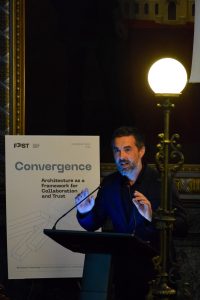
Facultatea de Arhitectură și Urbanism Timișoara (FAUT)
Burscaia Iulia Mi-am dorit întotdeauna să fac ceva semnificativ pentru societate. Să aduc o contribuție, chiar și modestă, în domeniul arhitecturii ar fi pentru mine o mare recompensă pentru efortul depus.
Flutur Mihail Îmi place să mă plimb prin oraș explorând, să văd ce a fost și să îmi imaginez ce ar putea fi. Pentru mine, fiecare proiect reprezintă o descoperire și o mică aventură.
Gruia Maia Arhitectura a devenit un mod de a gândi lumea: spațiul, oamenii, ideile și relațiile dintre ele. (…) Am o înclinație spre interdisciplinaritate și o curiozitate care mă face să mă simt acasă în multe domenii conexe: artistice, umaniste și tehnice deopotrivă. Rămân într-o stare asumată de căutare, atrasă de nuanțe, procese și de dimensiunea colaborativă a profesiei. Cred în rolul civic al arhitecturii și îmi doresc ca impactul meu asupra societății să fie cu adevărat benefic.
Facultatea de Arhitectură și Urbanism Cluj-Napoca (FAU)
Dâscă Sabrina Mă preocupă latura socială a arhitecturii, dar și transdisciplinaritatea în cadrul practicii și a proiectelor la care lucrez. Văd arhitectura ca pe o platformă de dialog (cu mediul construit și natural, cu sociologia sau filozofia de exemplu) și nu ca pe un obiect singular, pur estetic sau funcțional.
Moldovan Áron Consider că frumusețea domeniului pe care îl studiez e valoarea pe care fiecare proiect îl aduce în viața oamenilor care îl vor lua în folosință.
Rusu George Arhitectura îmi dă voie să creez spații care vor însemna ceva pentru alții. E o artă inevitabilă, o formă de a vorbi fără cuvinte. E un mod de a spune „asta cred eu despre frumos, despre oameni, despre lume.
Facultatea de Arhitectură Oradea
Gliga Robert Florin  Arhitectura parcursă de mine până acum este un loc de explorare și un mod prin care pot să îmi materializez ideile fie ele mai îndrăznețe sau mai simple de asemenea am fost și nominalizat la CASA în primele 5 proiecte.
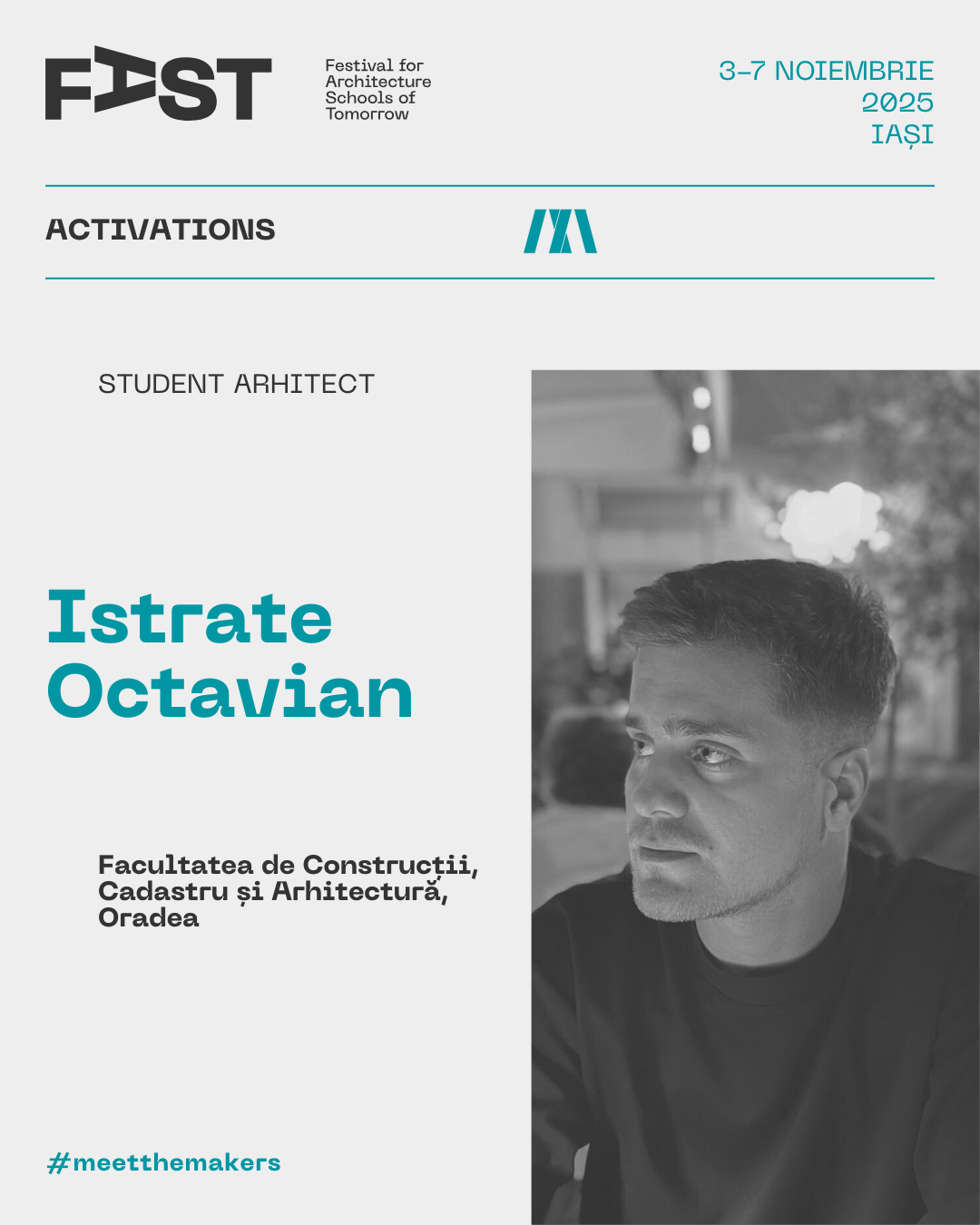
Istrate Octavian  Îmi doresc să contribui la crearea unor spații cu impact real și să învăț constant cum arhitectura poate îmbunătăți experiența umană.

Abia așteptăm să descoperim împreună, la Iași, ce fac colegii noștri. Urmează curând workshop-ul de build-up, deci vom mai auzi lucruri de la ei. Vom reveni cu mai multe informații despre desfășurarea acestei ediții FAST în curând!


Copyright 2025 OAR. All rights reserved