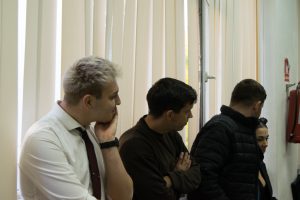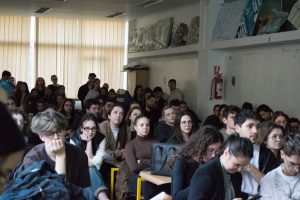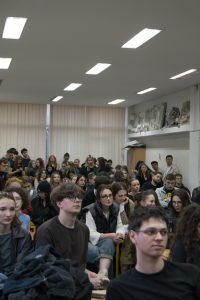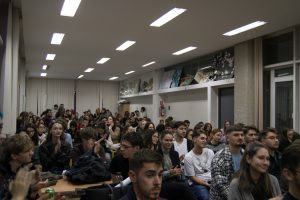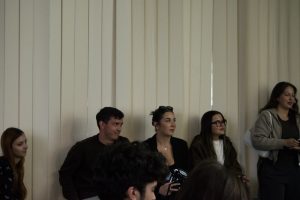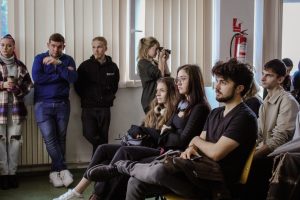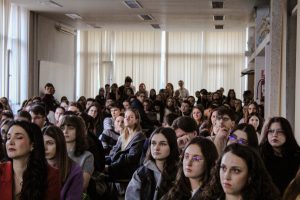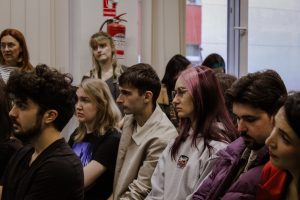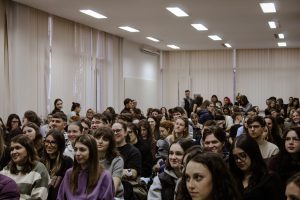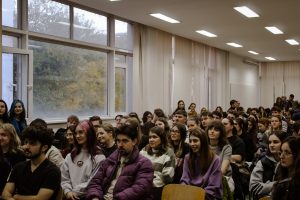
Ahead of FAST: Festival for Architecture Schools of Tomorrow 2025, student volunteers participated in a dedicated first aid training organized in partnership with the SMURD Foundation through the Arhitecți pentru Viață (Architects for Life) program. The workshop was conceived as a concrete preparation step for a festival that brought together large daily audiences and required a responsible approach to safety.
Led by SMURD specialists, the training combined theoretical instruction with hands-on exercises focused on emergency response, critical decision-making, and essential life-saving techniques. Participants learned how to recognize high-risk situations, how to assess a scene safely, and how to intervene until professional medical support arrives. The practical component allowed each volunteer to rehearse procedures individually, building confidence through guided repetition.
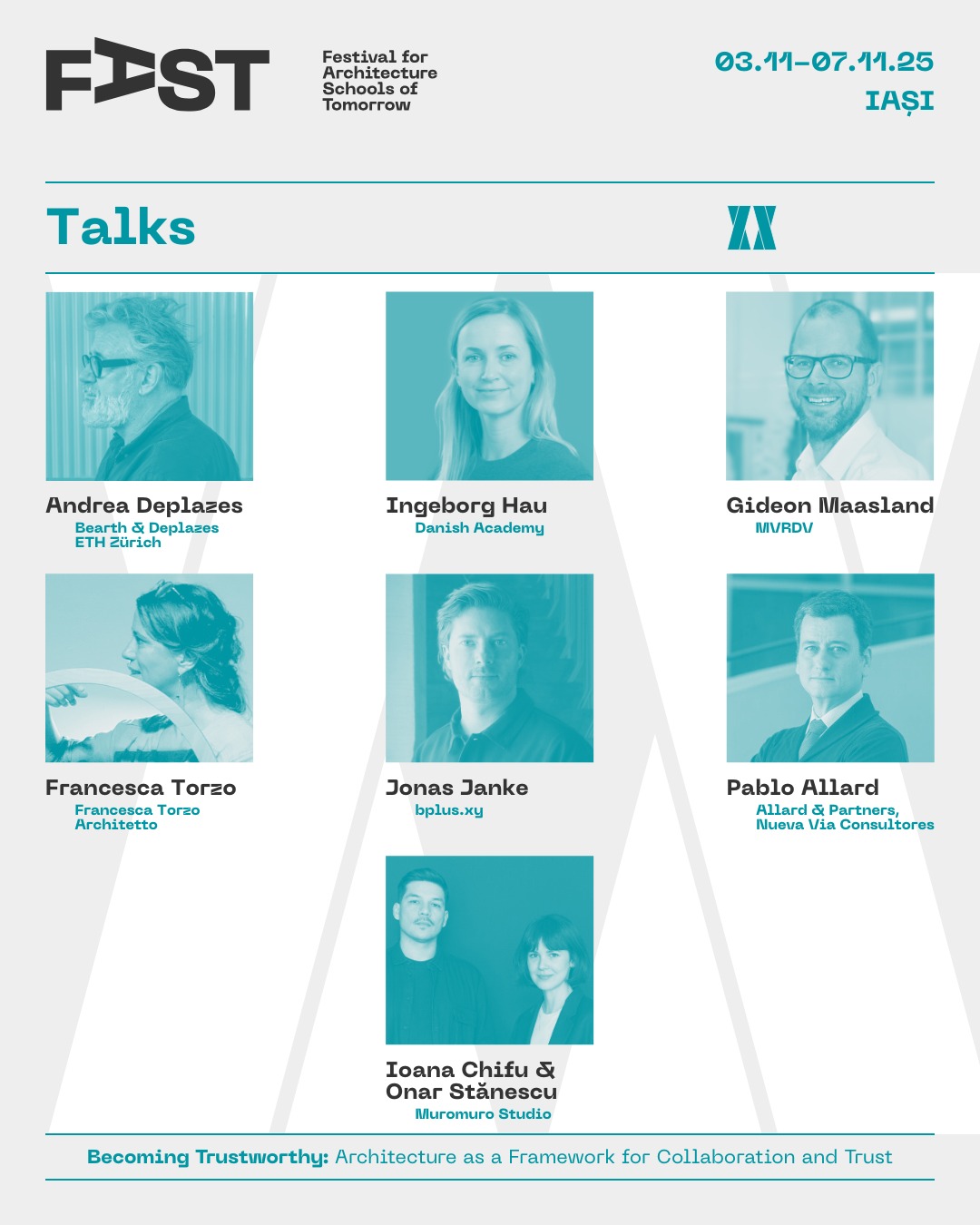
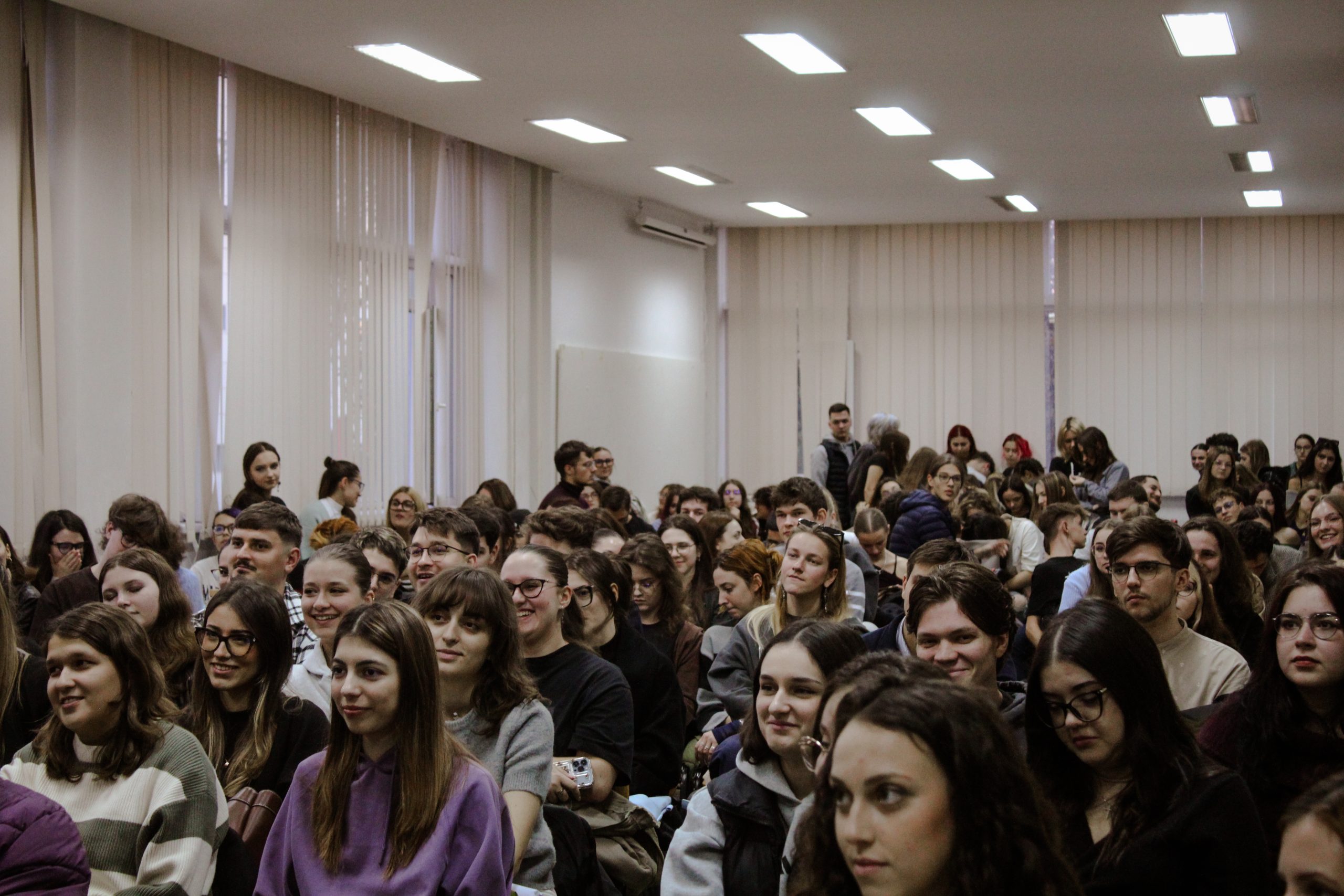
This preparation proved especially important given the scale of FAST 2025. Each festival day welcomed over 700 attendees across talks, exhibitions, workshops, and public events. The presence of trained volunteers strengthened the organizing team’s ability to respond calmly and efficiently to unexpected situations, reinforcing a shared culture of responsibility within the festival community.
For the student volunteers, the course offered more than technical knowledge. It created a sense of readiness and reassurance that extends beyond the festival context. The ability to act in critical moments is a transferable skill, relevant in both professional and personal life, and aligns with FAST’s broader commitment to forming responsible future architects.
The FAST team extends its sincere thanks to the SMURD Foundation and its volunteer instructors for standing alongside us and supporting this initiative. Their continued collaboration helps cultivate a culture of preparedness and care within our community and contributes directly to the well-being of everyone involved in the festival.
Through partnerships like this, FAST 2025 demonstrated that architectural education goes beyond design and theory. It also includes learning how to care for the people who share our spaces.
Photo credit: Costoaea Anghelina