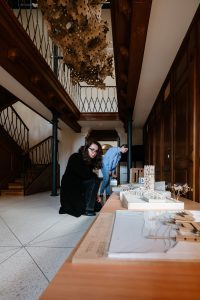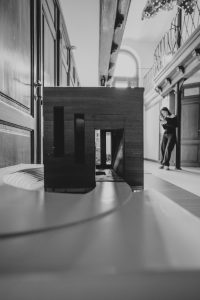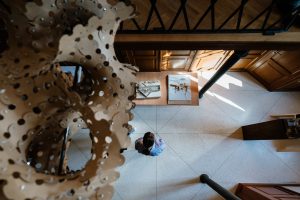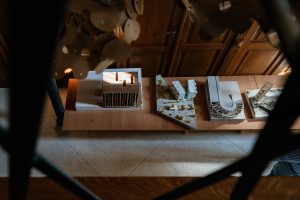
A shared exhibition of standards
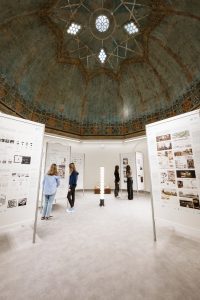
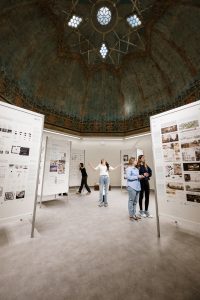
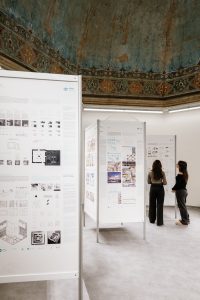
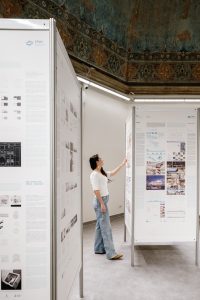
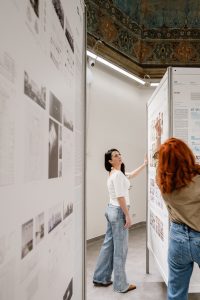
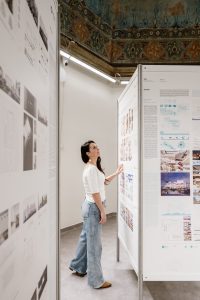
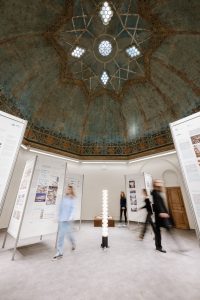
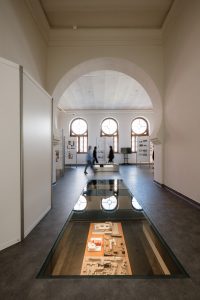
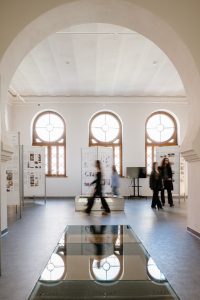
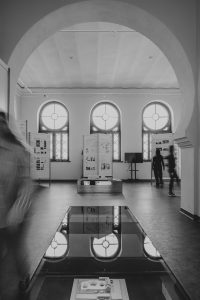
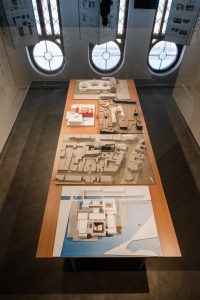
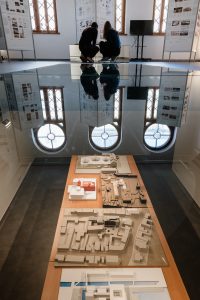
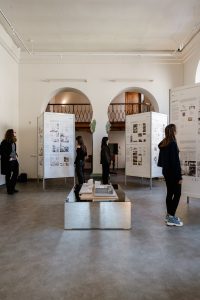
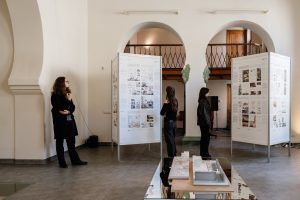
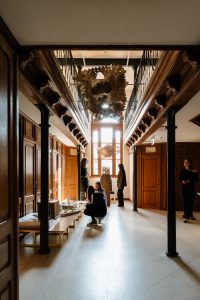
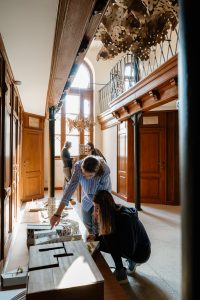
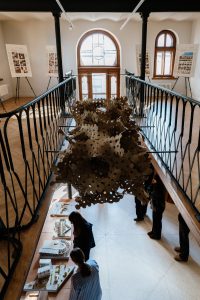
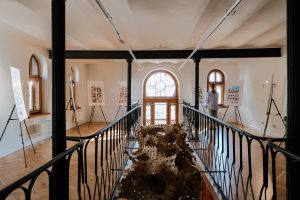
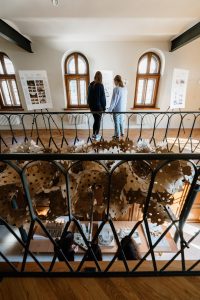
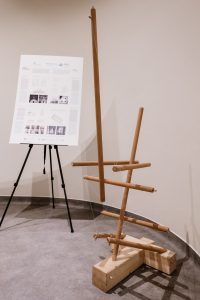
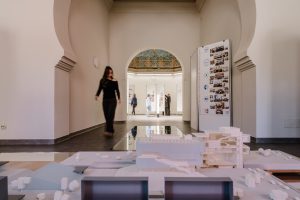
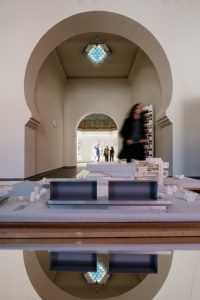
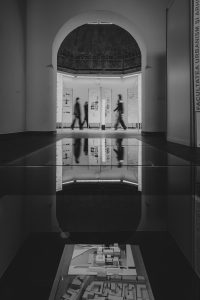
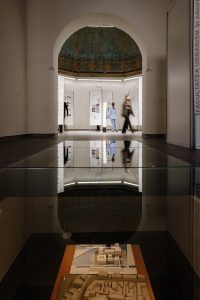
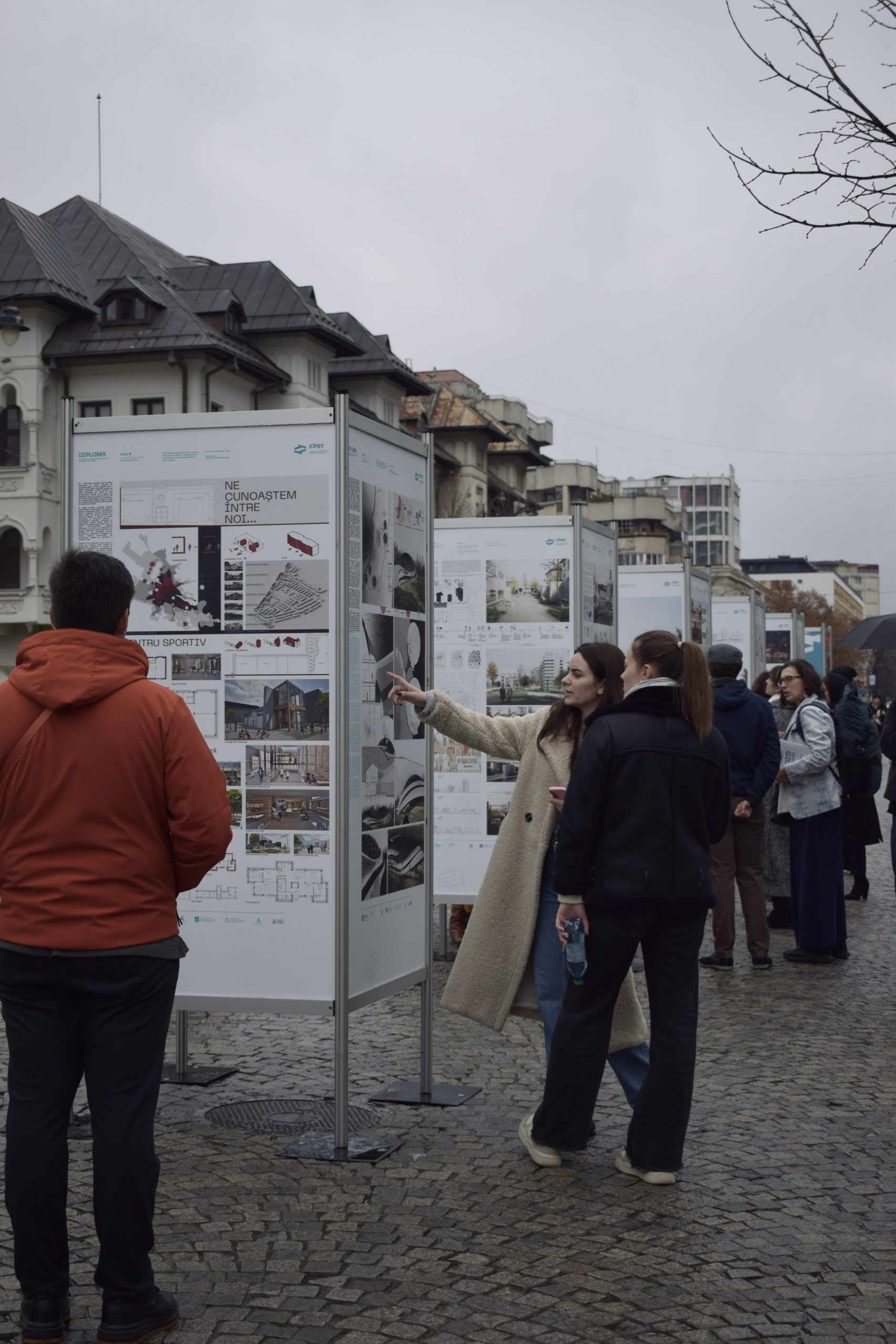
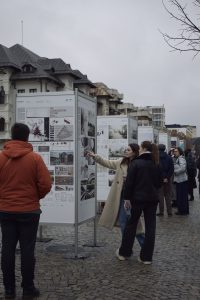
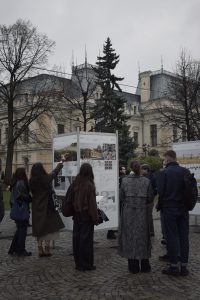
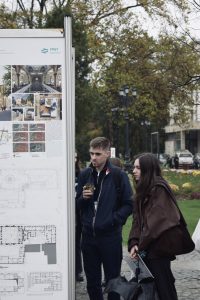
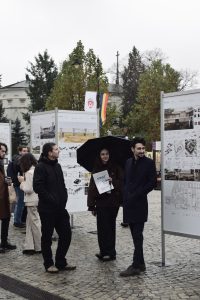
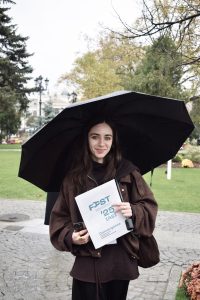
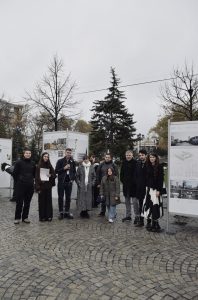
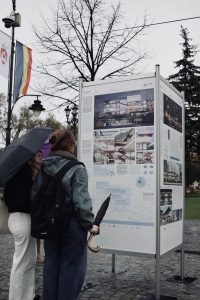
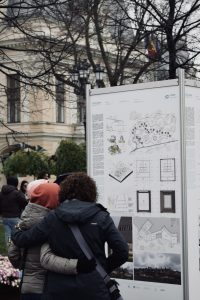
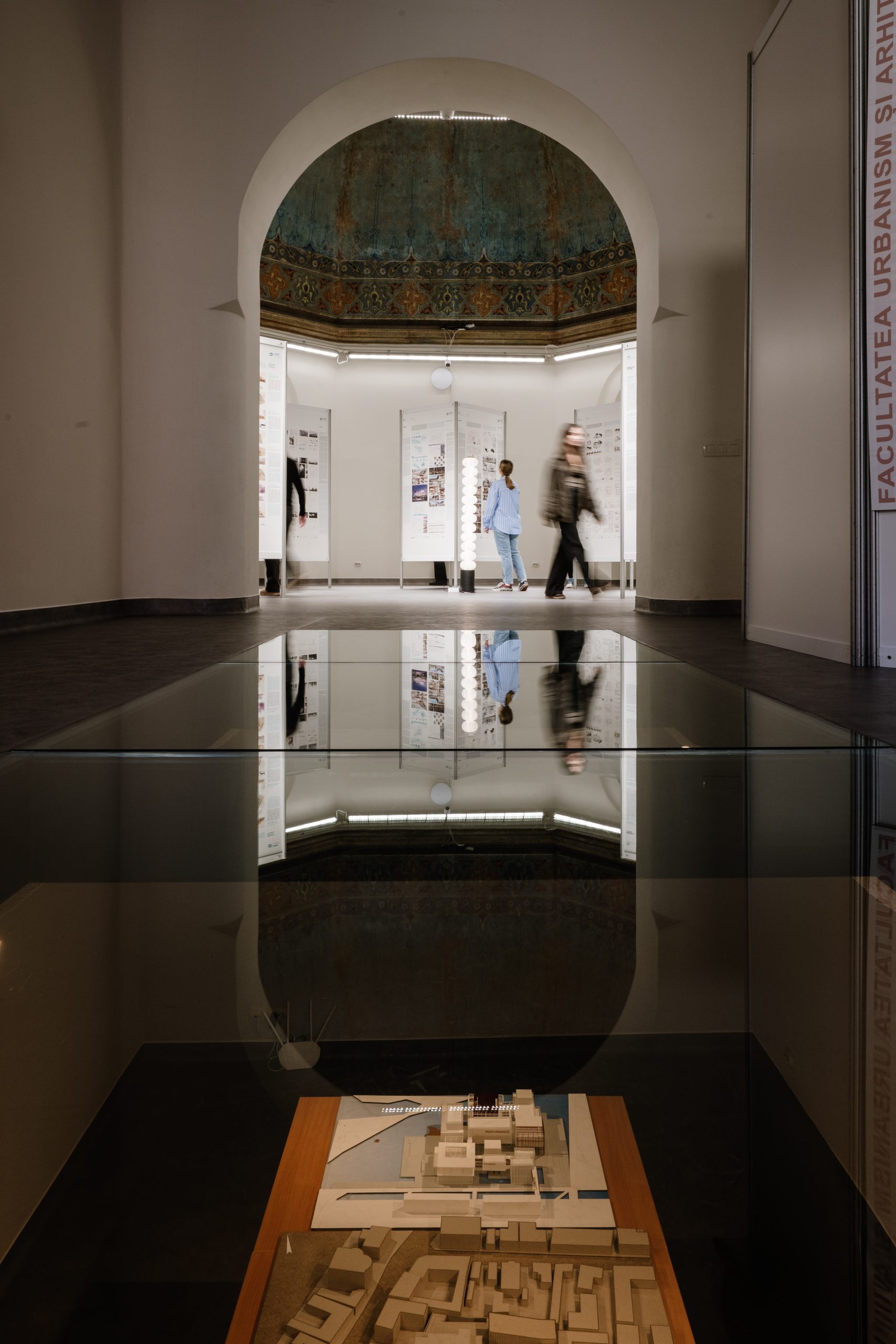
On 4 November, the Convergence X5 exhibition opened at Baia Turcească in Iași, presenting a curated selection of student projects from Romania’s five schools of architecture. As a central moment of FAST 2025, the exhibition functioned as a shared platform for academic standards, communication, and professional values in formation.
Rather than focusing on quantity, the exhibition emphasized quality and precision. Each school curated its own contribution, turning the show into a collective portrait of how architectural education is evolving across the country. The result was not a competition between schools, but a shared benchmark for rigor, ambition, and clarity.
Quality expressed through argument and representation
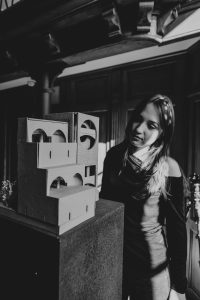
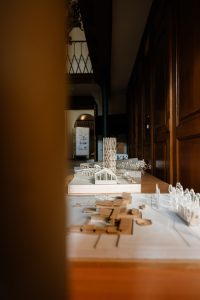
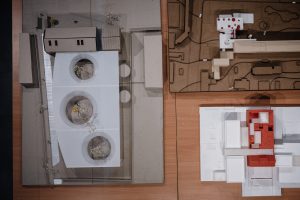
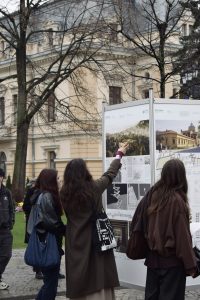
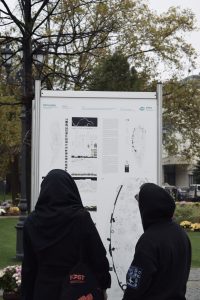
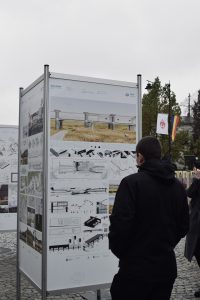
The projects stood out through the strength of their conceptual arguments, the consistency of their graphic language, and the precision of their drawings. Many proposals demonstrated a disciplined design logic, clearly stating intentions and following them through to spatial and technical consequences. This legibility is essential, it mirrors the way trust is built in professional practice, through transparent decisions and accountable design thinking.
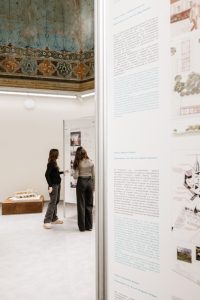
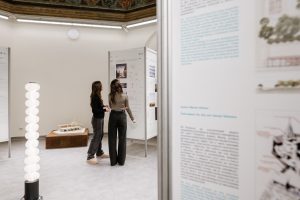
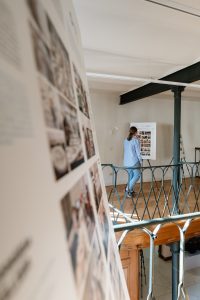
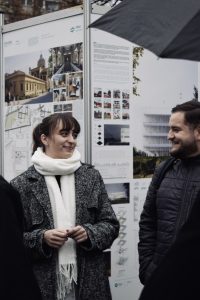
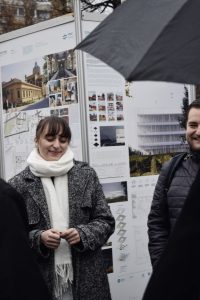
A defining feature of the exhibition was the careful sequencing of information across panels. Students treated layout as a form of visual storytelling, constructing projects as readable narratives rather than isolated images. The editorial structure of each presentation, the rhythm between text and drawing, and the hierarchy of information guided visitors step by step. For a wider audience, this made complex architectural ideas accessible without simplifying them.
Inspiration as a transferable resource
Because of this clarity, the exhibition functioned as a generator of inspiration. Viewers could trace processes, references, and working methods that extend beyond the studio. The projects did not present closed objects, they opened conversations. They suggested ways of thinking, organizing, and communicating architecture that can be adopted, questioned, and expanded by others.
In this sense, Convergence X5 operated as a collective learning environment. The inspiration produced by the students circulated back into the schools and outward into the professional sphere, raising expectations about how architectural work can be framed and shared.
The festival’s central theme, Becoming Trustworthy: Architecture as a Framework for Collaboration and Trust, was embedded in the exhibition as an underlying ethic. Trust appeared through clarity of intention, respect for context, and the honest representation of process. Many projects foregrounded the relationship between architecture and its users, asking how design decisions become legible and accountable to the public.
Here, trust was not abstract. It was visible in the way projects communicated their logic, acknowledged constraints, and positioned architecture as a responsible cultural act.
A network between five schools
Convergence X5 also plays a strategic role in connecting the faculties of Bucharest, Cluj-Napoca, Timișoara, Iași, and Oradea. As a traveling exhibition, it creates a shared reference point and encourages comparison, dialogue, and future collaboration. Students and teachers encounter each other’s methods, priorities, and pedagogical cultures, strengthening a national network of exchange.
The opening evening extended into the city with a visit to Târgu Cucu, where participants boarded the FAST 2025 tram for a guided urban tour. This movement from gallery to city reinforced the exhibition’s message: architecture builds trust when it is open, communicative, and grounded in lived space.
Photo credit: @the_phope – Csaba Szekely