Category: Talks

Trustworthy – Public Competitions: Building Confidence Through Architectural Dialogue at FAST 2025 


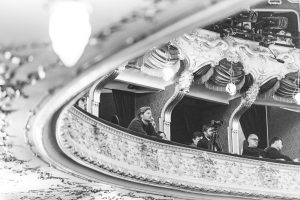
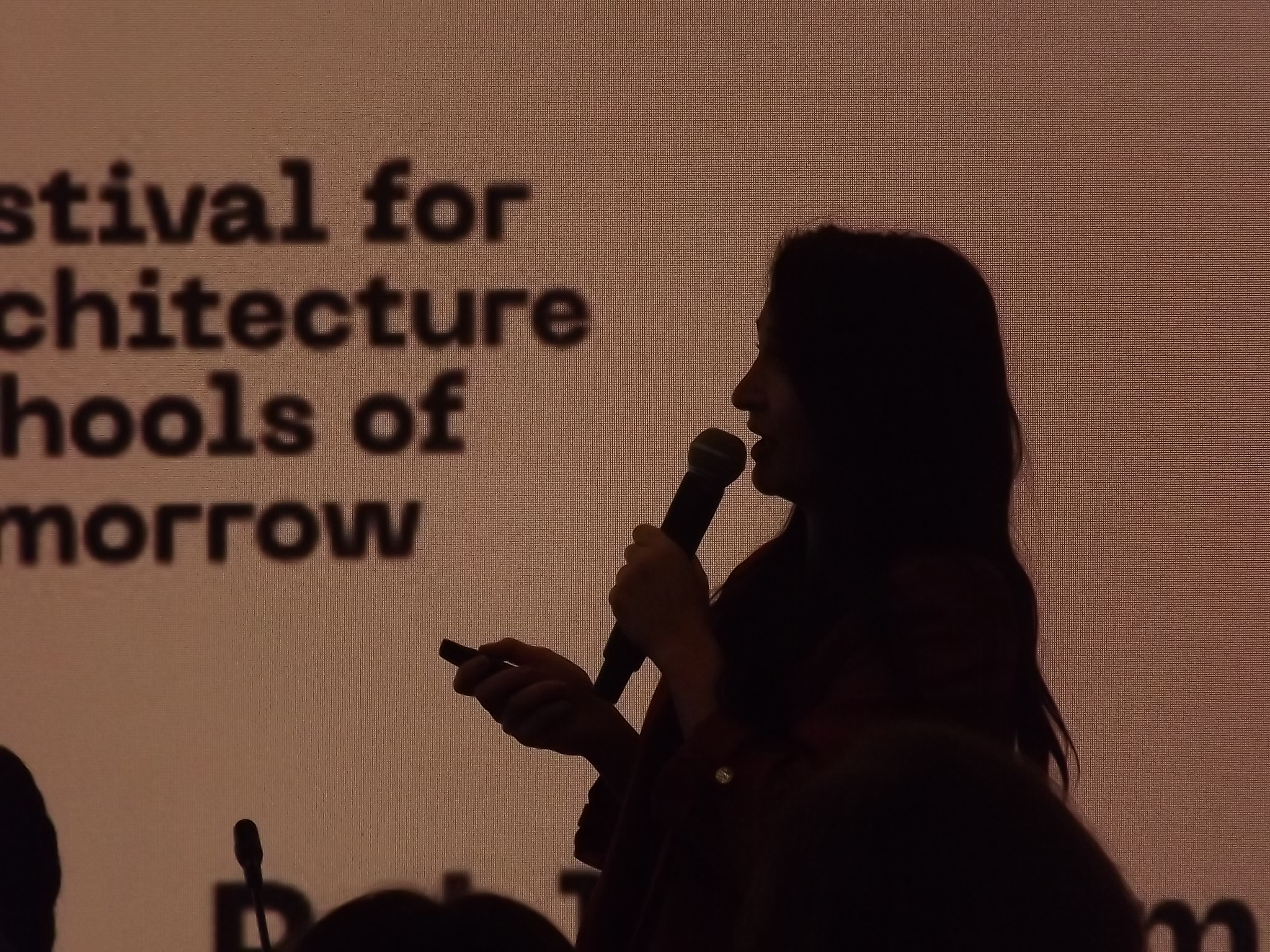
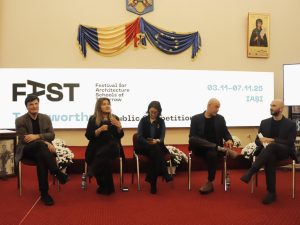
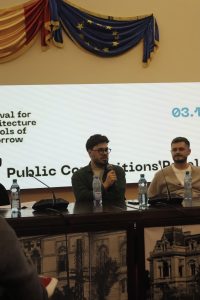
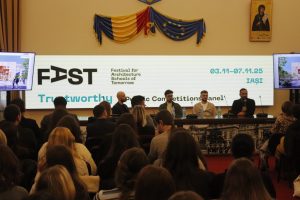
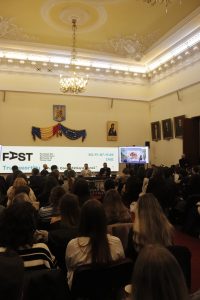
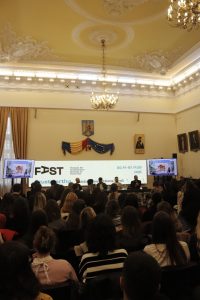
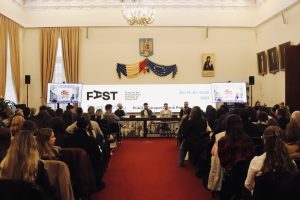
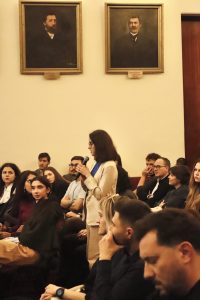
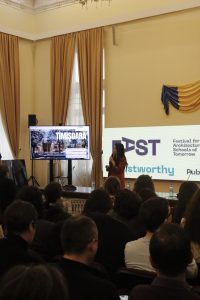
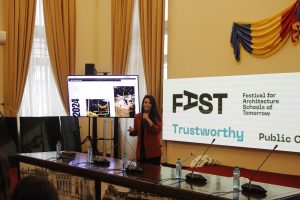
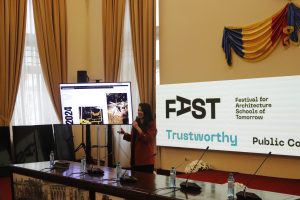
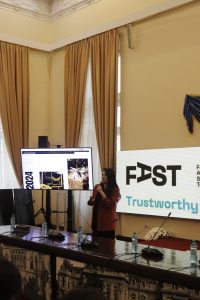
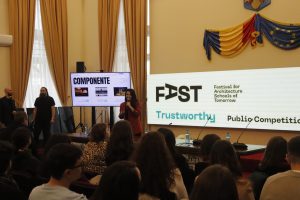
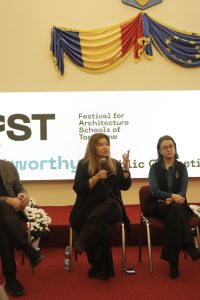
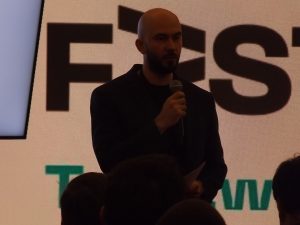
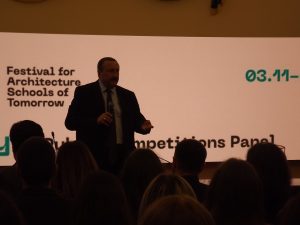
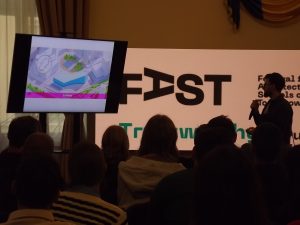
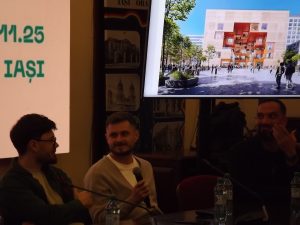
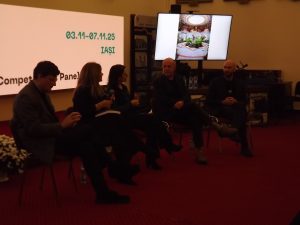
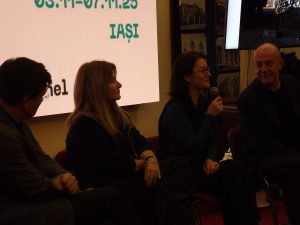
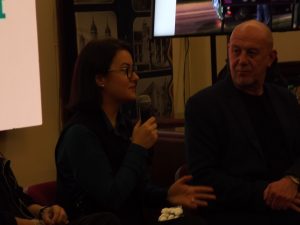
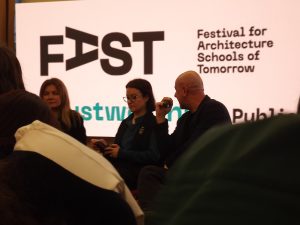
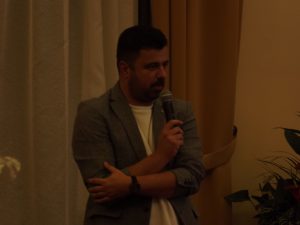
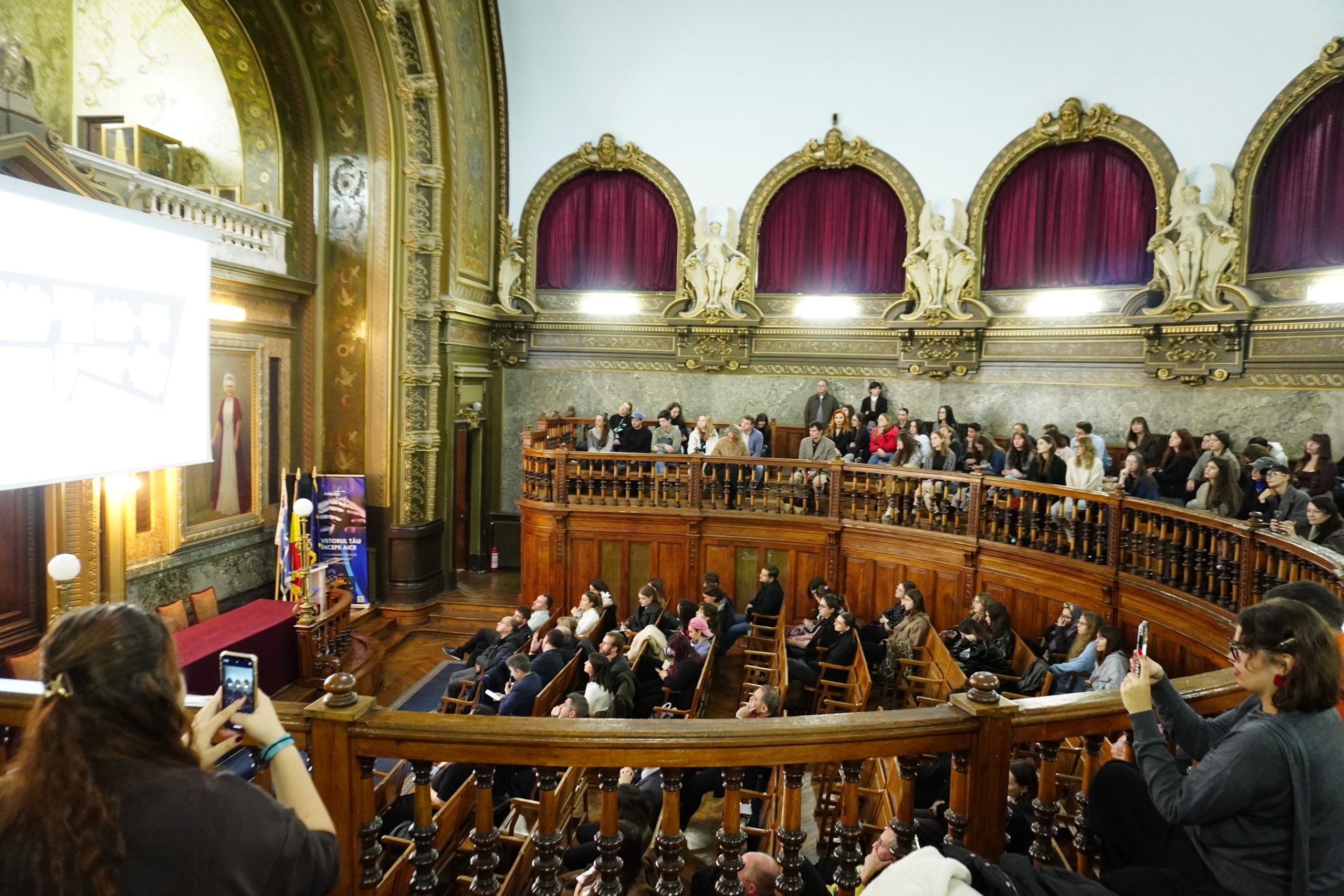
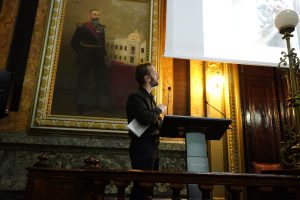
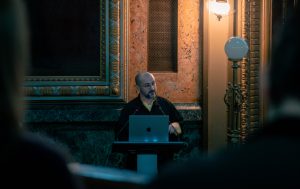
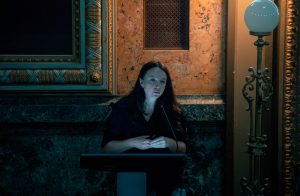
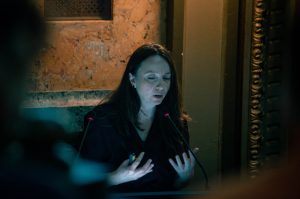
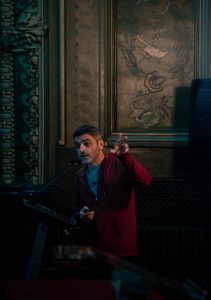
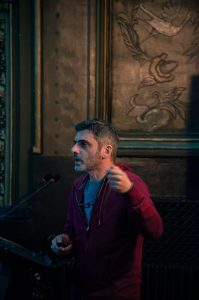
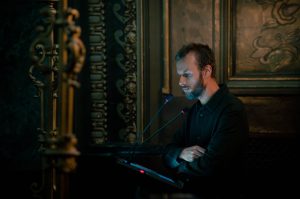
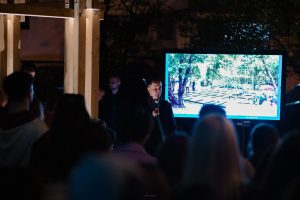
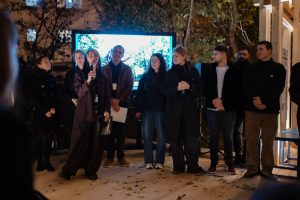
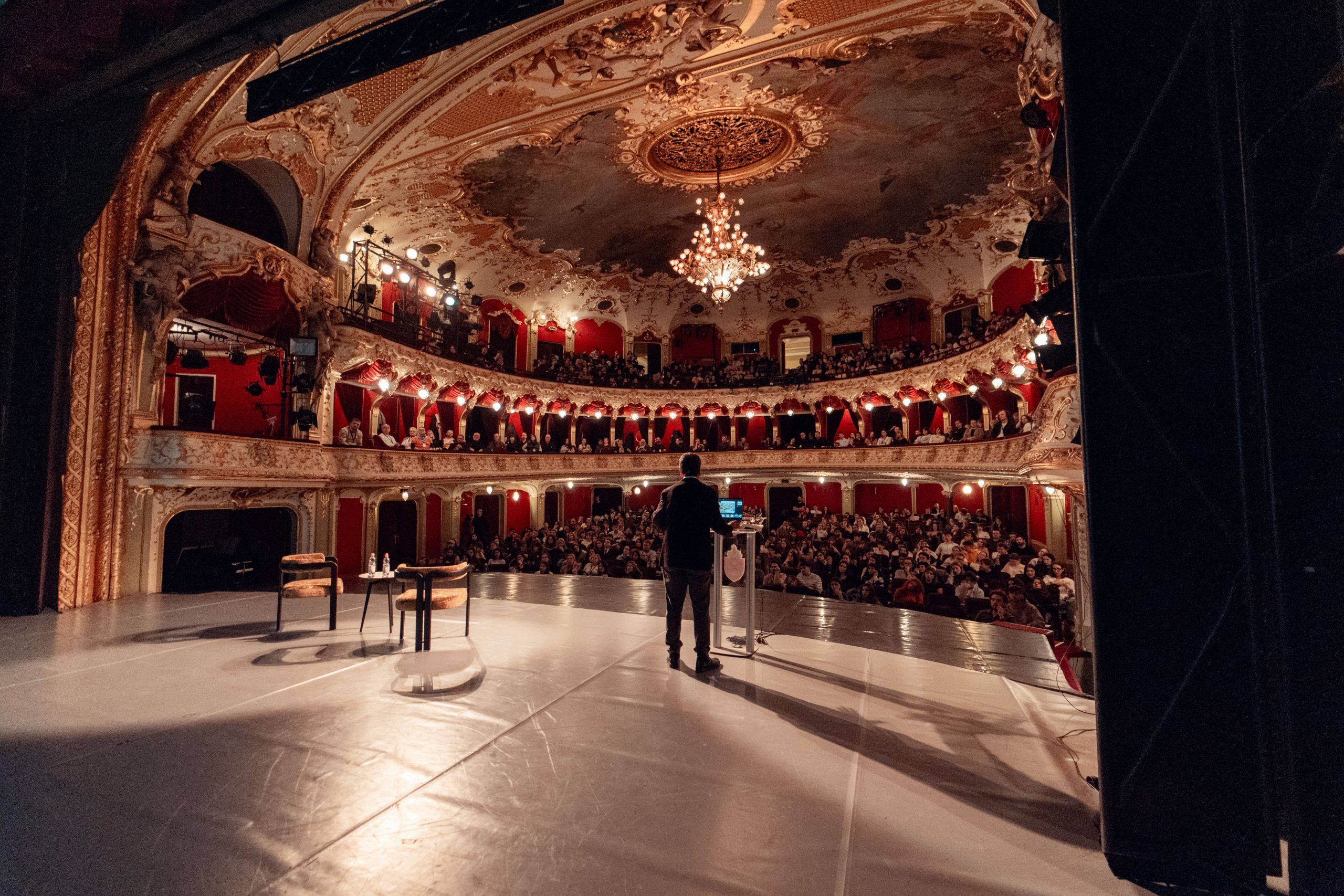
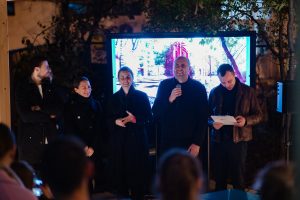
The panel Trustworthy – Public Competitions, organized by the Iași Branch of the Romanian Order of Architects as part of the #TALKS section of FAST 2025, took place on the third day of the festival and addressed one of the central themes of this edition: how architecture can operate as a medium of trust. Hosted at the Iași City Hall on November 5, 2025, the discussion focused on the role of public competitions in strengthening transparency, professional responsibility, and quality in the built environment. 

Starting from the premise that competitions are not merely procedural tools but cultural instruments, the panel explored how fair and well-structured selection processes can reinforce public confidence in architecture. The conversation examined key questions: how trust can be cultivated through open competitions, and what transparency and accountability truly mean when selecting projects that shape public space. Participants emphasized that competitions can function as frameworks that protect both professional integrity and the public interest, provided they are governed by clear criteria and consistent institutional commitment. 

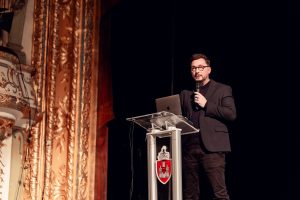
The session was moderated by Andrei Bodnar, vice president of the Iași territorial branch of the Romanian Order of Architects, who guided a dialogue between institutional representatives and international experts. The panel brought together Ștefan Bâlici, president of the Romanian Order of Architects, Ciprian Buzdugan of MVRDV, Amalia Enache, coordinator of education and professional development activities within OAR, Alexandru Mihalachi of MORA Architects, Irina Schrotter representing the Federation of Employers in the Creative Industries, architect Dan Clinci, Alexandrina Dinga from the CIVICA Association, and architect Claudiu Ionescu. 

Speakers reflected on both Romanian and international practices, highlighting the need for coherent policies that support competitions as instruments of long-term urban quality. Several interventions pointed to the importance of interdisciplinary collaboration and public communication, arguing that trust emerges not only from technical rigor but also from openness toward communities and stakeholders. By framing competitions as civic platforms rather than isolated professional events, the discussion positioned architecture within a broader social contract. 

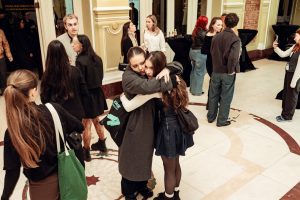
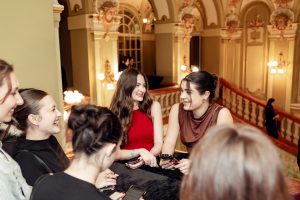
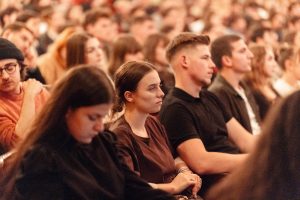
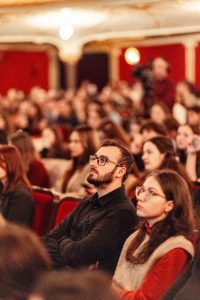
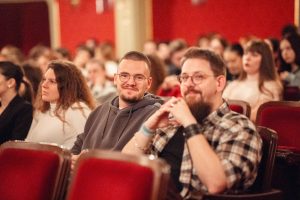
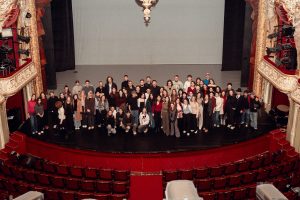
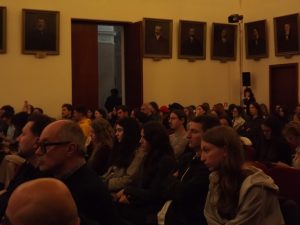
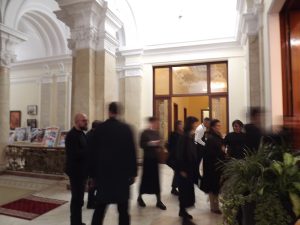
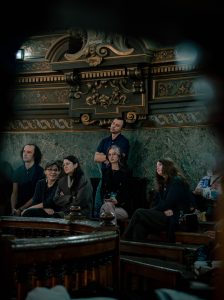
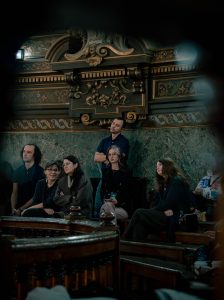
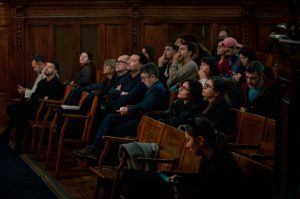
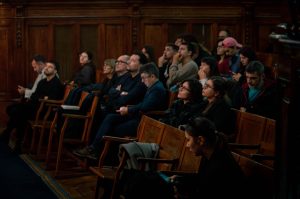
The conference attracted a diverse audience of students, practitioners, and representatives of local institutions, reinforcing FAST’s mission to create spaces where professional debate becomes accessible and relevant to the wider public. As part of the broader FAST 2025 program, the panel contributed to an ongoing reflection on how the profession can actively rebuild and maintain trust through transparent processes and shared standards of excellence. 


Photo credit: Avasilcai Maria, Popa Mara Alexandra 


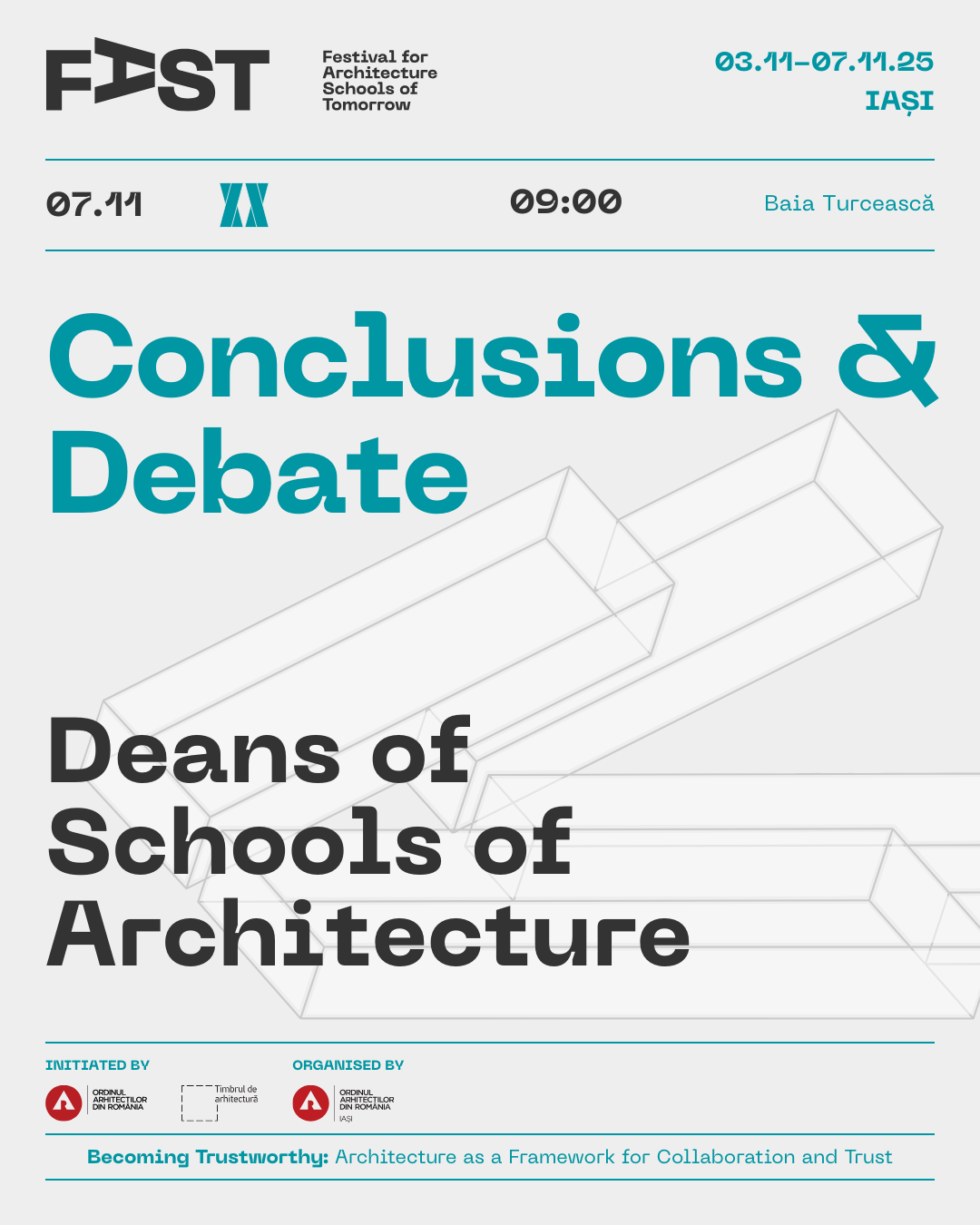
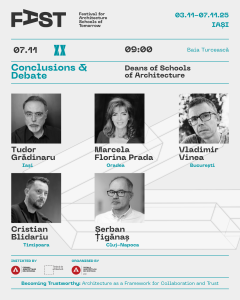
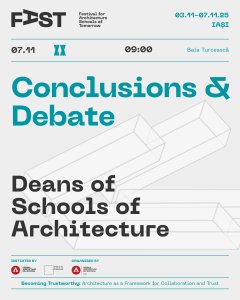
Conclusions & Debate with the 5 Deans of Schools of Architecture @ the end of the 3rd edition of FAST: Festival for Architecture Schools of Tomorrow 2025  

The Conclusions & Debate session marked the official closing of the third edition of the FAST festival in Iași, offering a final moment of institutional reflection after several days dedicated to architectural dialogue.  

Held on November 7 at Baia Turcească, the conference brought together the five deans of Romania’s architecture faculties for a structured conversation about the future of education and the profession. 

Continuing a format established in previous editions, the gathering functioned as a roundtable between academic leaders, focused less on ceremonial closure and more on critical exchange. The session addressed the pressures currently reshaping architectural education, including shifting professional expectations, social responsibility, and the need to adapt teaching models to increasingly complex realities. Rather than positioning schools as isolated institutions, the discussion emphasized their role as interconnected actors within a shared educational ecosystem. 

Students occupied a central place in the debate.  

The deans framed architectural education not only as a technical training process, but as a formative environment where future professionals develop ethical judgment, collaborative skills, and a sense of public responsibility. Questions of pedagogy were closely tied to questions of trust: how institutions earn credibility, how they maintain relevance, and how they prepare graduates to operate responsibly in uncertain contexts. 

The session was explicitly aligned with the festival’s overarching theme, Becoming Trustworthy: Architecture as a Framework for Collaboration and Trust and within this framework, trust was discussed as a practical principle rather than an abstract ideal. The conversation examined how curriculum design, institutional transparency, and inter-school cooperation contribute to a culture of accountability. The deans highlighted the importance of exchanging knowledge across faculties, encouraging mobility, and strengthening partnerships that allow schools to respond collectively to national and international challenges. 

Another key direction of the discussion concerned the relationship between academia and the profession. Participants noted that architectural education must remain in continuous dialogue with practice, public institutions, and communities. By reinforcing these connections, schools can act as mediators between theoretical knowledge and societal needs, ensuring that architectural culture remains both critical and grounded in real contexts. 

The debate of FAST’s third edition articulated a set of shared concerns and priorities, reinforcing the value of sustained dialogue among institutions. The roundtable confirmed that cooperation, rather than competition, is essential for strengthening the credibility of architectural education. It also reaffirmed the responsibility of schools to cultivate not only competent designers, but reflective professionals capable of building trust in the public sphere. 


Becoming Trustworthy I 5 Alumni Voices on Practice, Ethics, and Transformation @FAST 2025 

On Thursday, 6 November 2025, the Aula Magna “Carmen Sylva” of the Gheorghe Asachi Technical University of Iași hosted the Alumni Talks section of FAST, Festival for Architecture Schools of Tomorrow 2025. The event unfolded within the framework of the festival’s theme, Becoming, Architectures for a Planet in Transition, with a particular focus on Becoming Trustworthy. 

 Building on a format that had become a defining feature of FAST, Alumni Talks brought together outstanding graduates from the five architecture schools in Romania, Iași, Cluj-Napoca, Bucharest, Timișoara and Oradea, for a morning of presentations and open conversation centred on professional trajectories, ethics of practice and the evolving role of the architect in a world marked by uncertainty and transformation. 

 The event gathered a diverse and attentive audience, students, teaching staff, young professionals, representatives of the Order of Architects of Romania, OAR, and festival partners. The atmosphere in the hall was focused and generous, shaped by careful listening as much as by speaking, and by a shared curiosity about what it truly means to build a meaningful architectural practice today. 

 Moderated by Amalia Enache, the discussion brought together five alumni speakers, each representing a distinct school, generation and mode of practice, Laurian Ghinițoiu, Camelia Sisak, Justin Baroncea, Márton Tövissi and Alexandru Szűz Pop. Rather than presenting linear success stories, their contributions focused on doubt, experimentation, ethical positioning and the long-term responsibilities embedded in architectural work. 


A dialogue across schools and generations 

Throughout the morning, the speakers spoke openly about the paths they chose, the contexts they navigated and the values that shaped their professional decisions. The audience engaged actively, extending the conversation beyond individual projects toward broader questions related to trust, authorship, collaboration and relevance within contemporary practice. 

One of the most spontaneous and meaningful moments emerged when the deans of the architecture faculties, all present in the hall, addressed questions directly to the alumni. This unexpected exchange generated a deeper and more nuanced discussion, prompting the speakers to reflect in greater detail on how they view the start of their careers, drawing on what they would have liked to do differently and what they would have done the same. The discussion moved into a reflective and honest space, revealing not only achievements, but also vulnerabilities, failures and long learning processes that are rarely visible in formal academic or professional narratives. 


Mentorship, responsibility and becoming trustworthy 

 Across all presentations, mentorship and responsibility emerged as recurring themes, both received and offered. The alumni reflected on how their university education shaped their ways of thinking, while also acknowledging its limits. They spoke about the importance of informal learning, observation, trial and error and the gradual construction of ethical positions, rather than the adoption of predefined professional identities. 

Becoming trustworthy was described not as a fixed status, but as an ongoing process that required time, consistency and the courage to question dominant models of practice. Through personal stories and concrete examples, the speakers highlighted accountability toward communities, collaborators, cultural contexts and the built environment itself. In this sense, Alumni Talks became a lived interpretation of the FAST theme, where becoming was understood through responsibility, care and long-term commitment rather than certainty. 


Following the event, several alumni shared reflections they wished to pass on to those who could not attend. Many students noted that hearing about hesitation, doubt and long-term commitment felt more relevant than polished success stories. Among the ideas that resonated most strongly were the importance of staying curious, accepting uncertainty and allowing professional identities to evolve over time. 


Rather than offering formulas for success, the speakers encouraged students and young architects to build their own paths gradually, guided by integrity, collaboration and a deep understanding of context. 


 A growing alumni network   

Alumni Talks fulfilled their core objectives, bridging the gap between students and graduates, sharing diverse professional experiences, inspiring through authentic career paths and strengthening the alumni network of architecture schools in Romania. More than a series of presentations, the session became a space of collective reflection, reinforcing the idea that architecture is not only about building, but about responsibility, trust and long-term engagement. 


As FAST 2025, the Alumni Talks remained a key moment of pause and reflection, a reminder that becoming an architect is not a destination, but a continuous process of learning, questioning and becoming trustworthy. 

We, at the OAR, would also like to extend our gratitude toward the speakers for their openness, transparency, and for the way they chose to present their journey as architects from their student years to their current professional practice, thus offering the architecture students present in the room a clear perspective on how their own careers might evolve. 


ABOUT THE 5 ALUMNI 

 Laurian Ghinițoiu, a graduate of the Faculty of Architecture “G.M. Cantacuzino” in Iași, reflected on his transition from architectural training to a transdisciplinary artistic practice. He spoke about observation as a form of research, travel and displacement as tools for understanding the built environment and the ethical responsibility involved in representation. His contribution emphasised architecture’s ability to reveal hidden socio-economic narratives and to question power structures through image, film and spatial storytelling. 

 Camelia Sisak, a graduate of the Faculty of Architecture and Urban Planning in Cluj-Napoca and co-founder of Atelier MASS, shared insights from her work at the intersection of architecture, urbanism and exhibition design. She discussed contextual design as a form of care, stressing the importance of listening, to sites, to communities and to history. Drawing from urban regeneration projects and curatorial collaborations, she highlighted architecture’s capacity to shape cultural experience and to build public trust over time. 

 Justin Baroncea, a graduate of UAUIM Bucharest, approached architecture through experimentation, bricolage and interdisciplinary practice. His presentation explored work on public space, sound installations, recycled materials and DIY processes, challenging conventional boundaries between architecture, design, art and craft. He spoke about play, improvisation and curiosity as legitimate professional tools, advocating for practices that remain open, adaptive and critically engaged. 

 Márton Tövissi, a graduate of the Faculty of Architecture and Urban Planning in Timișoara and co-founder of a-platz, reflected on working across multiple geographies, between Romania, France and Hungary. He discussed the importance of context as a guiding principle, shaped by the office’s bi-polar positioning. His contribution focused on collaboration, long-term commitment to place and the careful negotiation between local specificity and international practice.  

Alexandru Szűz Pop, a graduate of the Faculty of Construction, Cadastre and Architecture in Oradea, spoke about working with heritage, materiality and contemporary architectural language. Drawing from both personal projects and long-term collaborations, he reflected on restoration as an ethical practice and on the responsibility of intervening within existing structures. His presentation emphasised patience, continuity and respect for the built legacy as foundations of professional trust. 


Photo credit: Raluca Toma, Bumbu Oliver, Codau Alexandra  


FAST 2025 in Iași, A Thank You to Our Host School   

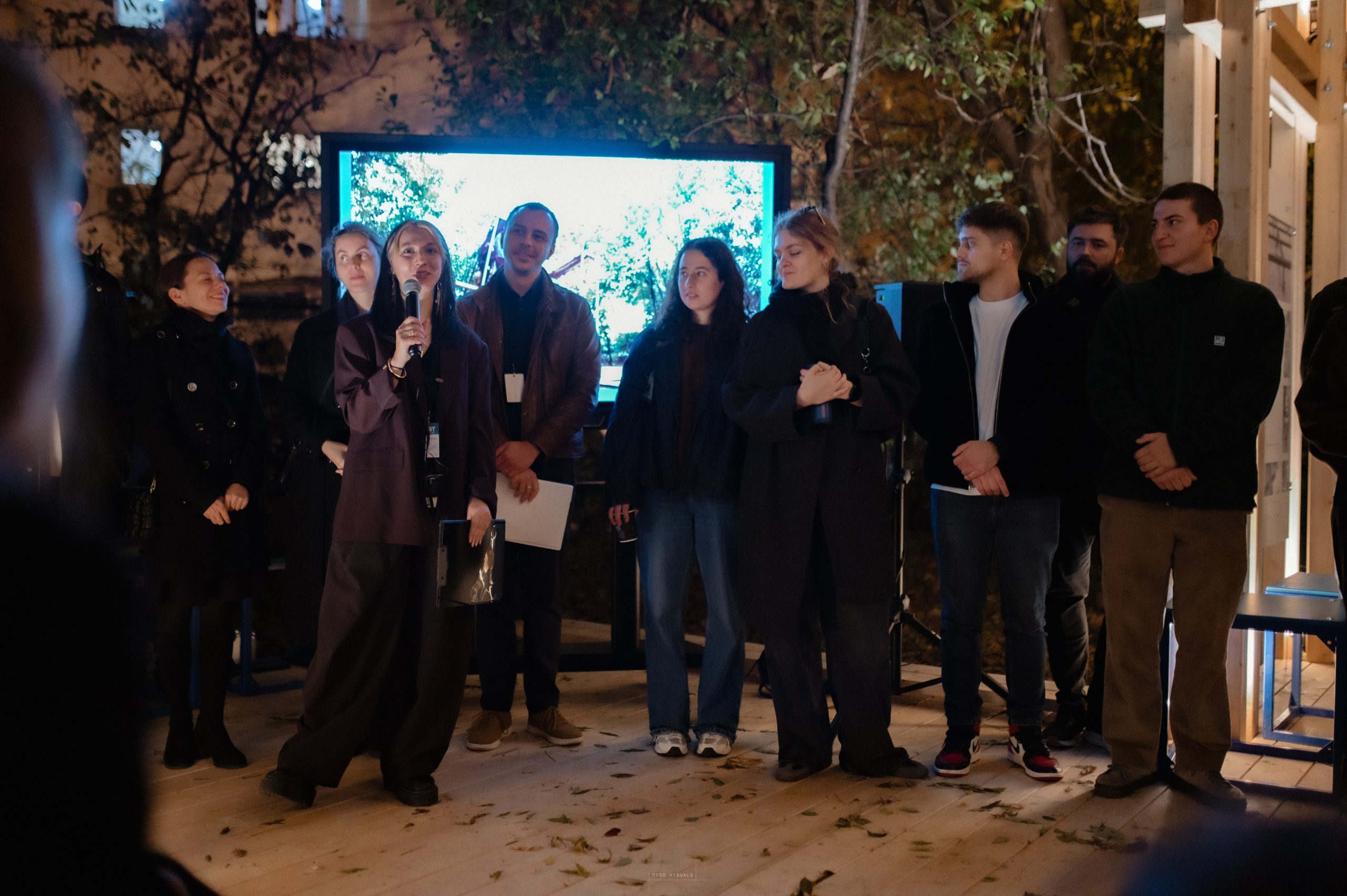
 FAST 2025, the third edition of the festival, unfolded in Iași across multiple venues and was shaped in essential ways by the generosity, openness, and commitment of our host partners. This edition was not only organized in Iași, it was truly carried by a local community that welcomed the festival as its own and transformed it into a shared platform for students, educators, and professionals. 

 We extend our gratitude to our host colleagues for their dedication to the subject and for the care invested in curating exhibitions, discussions, and spaces of encounter. Their work created an environment where students felt invited to participate, question, and contribute. The openness shown toward young participants was not symbolic, it was structural to the festival. It shaped the tone of the conversations and reaffirmed that architectural education thrives when institutions actively support experimentation and dialogue. 

 The exhibitions curated during the festival demonstrated how academic work can move beyond the classroom and enter public space. By presenting student projects with seriousness and professional respect, our hosts reinforced an important message: today’s students are already active contributors to the future of the discipline. The festival became a bridge between education and practice, between learning and public engagement. 

 FAST 2025 confirmed that the future of architecture depends on communities willing to invest in the next generation. The hospitality, trust, and intellectual generosity shown in Iași had a direct impact on the students who participated, and, by extension, on the architects they will become. Supporting education is not an abstract gesture, it is a long-term commitment to the quality and relevance of the profession itself. 

 For welcoming the festival, for standing behind its values, and for opening doors to students and ideas, we thank our host community in Iași. FAST continues to grow because of partnerships like this, grounded in shared responsibility for the future of architecture. 


Photo credits: @the_phope – Csaba Szekely, Bumbu Oliver 

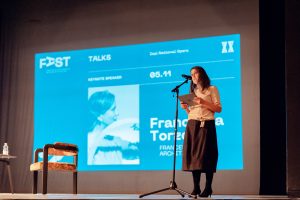
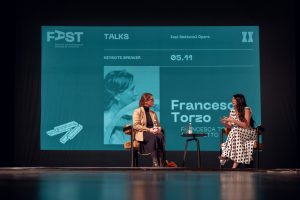
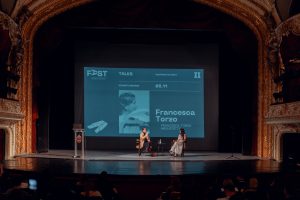
TALKS: Francesca Torzo and Pablo Allard @ Iași National Opera 

Day 2 of the talks section at the FAST festival brings together presentations by Francesca Torzo and Pablo Alarcón. The program opens with Francesca Torzo, who will share her reflections on architecture, place, and memory, followed by Pablo Alarcón, continuing the conversation with his own perspective and work. 

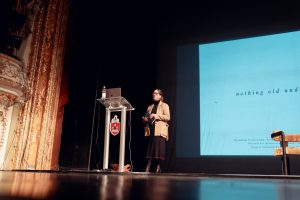
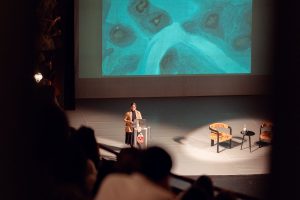
Francesca Torzo’s talk framed architecture as an act of care grounded in time, memory, and a patient reading of place, rather than an exercise in form. She argued that design began with attentive observation of material and cultural conditions, and with listening to the specific qualities that “hinted” at what a place was. For her, architecture functioned as a practice of collecting, hunting, and discerning, assembling fragments of perception and lived contradictions into spatial narratives that preserved the site’s memory. 

A central idea was that people could share spatial images even when their experiences differed. Our senses gathered impressions unpredictably, and our minds recombined them into fleeting images, a room, a bridge, a threshold, a belvedere, yet we could still communicate about them. This shared understanding was shaped by culture, literature, music, and history, references we might never physically visit, but could still “inhabit” mentally. What mattered, she suggested, was not the isolated object, but the relationships among things, the way sequences, distances, thresholds, light, and topography produced meaning. 

She repeatedly returned to spatial relations and promenade. Architecture, in her view, was not primarily plan or graphic representation, it was choreography, a progression of moments between outside and inside, shelter and exposure, shadow and daylight. In her projects, she had studied how the public realm met the private realm, niches, pockets, courtyards, gateways, shortcuts, walls that folded, and she had translated those urban experiences into buildings. The goal had been continuity without imitation, extending the logics of an existing place rather than copying its historic forms. 

In the Z33 extension in Hasselt, she described how her team had worked with the town’s “soft” ground and medieval traces, reading the beguinage, brick traditions, and the city’s rhythms. The new building became a long wall that welcomed without turning transparent, maintaining an urban edge while opening to the interior garden through a filigree of apertures. She emphasized “tuning” rather than measuring, finding a sense of belonging that avoided both loudness and invisibility. Ambiguity had been cultivated on purpose, walls could read as thick mass or as a system of pillars, openings could feel like folds in masonry, so that users had space to imagine, recall, and project their own memories. 

Across other examples, a dance school and theatre sequences in China, a library pavilion as a tower and belvedere in a flood landscape, or large housing in an oak wood, she stressed the same method. She started from topography and from the culture of settlement, including water management, thresholds, porticoes, courtyards, and the way everyday life organized space. Architecture, she said, needed to be robust enough to accept future reinterpretations, allowing unknown rituals and meanings to emerge over time. She valued what she called the non-authorial wisdom of places shaped by many anonymous people, what had survived centuries was something people could trust, but it still had to be “sung again” today, not replicated. 

Torzo also made a strong ethical point. She treated architecture as a practice of dignity and empathy, of making space for difference. She rejected nostalgia as sterile and warned against “expired” thoughts, the departure point had to be contemporary life. She explicitly distanced herself from form as the primary driver, form was not the goal, it followed from a deeper understanding of life, materials, and context. 

On slowness, she offered a practical stance. Time in production, she noted, had become fast and likely would not change, but thinking did not have to accelerate in the same way. She advised young architects to train their discernment, to identify what was relevant, and to protect a reflective inner dialogue. This required self-respect, trust in one’s capacity to think, and the willingness to make room for other viewpoints through negotiation. For her, slow and fast were not a simple opposition, they coexisted, and the task was to keep precision and care within the speed of practice. 


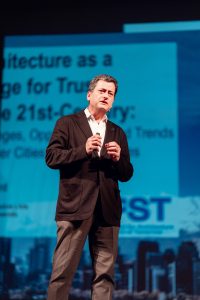
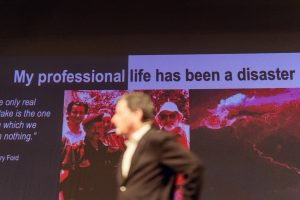
Pablo Allard framed his talk around a simple, uncomfortable premise, trust was earned through action, and learning came mostly from failure. He opened by admitting that his professional life had included “disasters,” using this as a teaching tool, the only real mistake was the one you learned nothing from. For him, building trust meant doing the right thing, not announcing good intentions, and accepting that you would sometimes fail. 

He then zoomed out to cities, arguing that urban form mirrored society. The 20th-century functionalist city, organized by zoning and large infrastructures, produced systemic side effects, segregation, car dependence, pollution, and excessive land consumption. Meanwhile, urban growth had accelerated dramatically, revealing changing needs, expectations, and conflicts. Cities were “magnets” for opportunity, but also “time bombs” when access to education, jobs, safety, health, and culture was unequal, inequality became explosive. He illustrated this with stark global-south contrasts, informal settlements, slums, and extreme spatial inequality. 

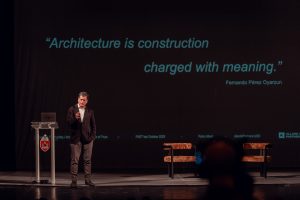
A core conceptual pair followed, scarcity of means could produce precision and relevance, while abundance of means could create a scarcity of meaning. In this context, he insisted that architecture was not just construction, it was “construction charged with meaning.” 

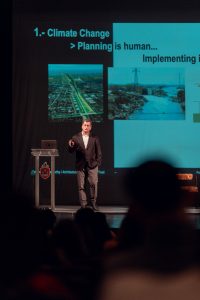
Allard identified four forces shaping the next decades and the conditions for trust, climate action through cities, housing affordability and dignity, technological transformation toward shared urban life, and resilience in the face of shocks. He argued cities had been the lever for climate impact because they had concentrated energy use and emissions in a small land footprint. He advocated for integrated blue-green infrastructure, floodable parks, sponge-city thinking, circular systems, and long-term water strategies that had generated social benefits before the “final” infrastructure payoff. 

On housing, he highlighted progressive, participatory models that had prioritized good location and robust structure, then allowed residents to complete and personalize, shifting value creation to communities. He linked technology to new sharing cultures, co-living, flexible permitting, and transparency, and to rethinking education through learning-by-doing environments. 

Finally, resilience emerged as both technical and social. He recounted failures in conflict planning and disaster recovery to underline that city timelines had outlasted electoral cycles, advocacy had been part of the architect’s role, and recovery had needed to be holistic, combining infrastructure with community cohesion. His practical advice for young architects was direct, they should have started by listening, arrived with a blank sheet and two pencils, and built trust through time, presence, and shared work. 


About Francesca Torzo (FRANCESCA TORZO ARCHITETTO) 

Francesca Torzo (Padova 1975) studied in Barcelona, Mendrisio and Venezia. She graduated with honours in 2001. In 2008 she started her own office in Genova. Since 2017 she has been professor in Bergen and in Mendrisio. She has lectured at a number of international schools and cultural institutions. In 2020 she won the Moira Gemill Prize. The project Z33 house for contemporary art in Hasselt is awarded the international 2018 Piranesi Award, the Premio Italiano di Architettura in 2020 and is among the awarded five finalists of the Mies van der Rohe Award 2022. 


About Pablo Allard 

Pablo Allard is an architect with an MAUD and a Doctor of Design from the Harvard Graduate School of Design, and degrees from the Pontificia Universidad Católica de Chile. Since 2011 he has served as Dean of the Faculty of Architecture and Arts at Universidad del Desarrollo in Santiago and Concepción. 

He bridges academia and practice: Robert F. Kennedy Visiting Professor at Harvard GSD (2018–2019) and visiting professor at Tec de Monterrey, the University of Arizona, and the Pontifical Catholic Universities of Quito and Chile. He is founding partner of Allard & Partners (architecture, urban design, territorial intelligence) and co-founder of Nueva Vía Consultores, focused on infrastructure and mobility. 

Allard is also a co-founder of ELEMENTAL, alongside Alejandro Aravena, internationally recognized for its pioneering work in social housing and post-disaster reconstruction. In 2010 he served as National Urban Reconstruction Coordinator, leading Chile’s recovery efforts after the earthquake and tsunami. He currently serves on several civic and environmental boards such as Reforestemos and Junto al Barrio and contributes to national policies on urban development and sustainable mobility. 

Photo credit: @the_phope – Csaba Szekely, Mereuță Xenia, Anton Daria 


Register to attend the 3rd edition of FAST in Iași!

TALKS – Tuesday, 4 November 2025

Join us for the opening evening of the TALKS at FAST 2025 — a curated night dedicated to collaboration, trust, and the evolving role of architecture. With only 250 tickets available, we invite architects, students, professionals, and curious minds to register now at the link below.
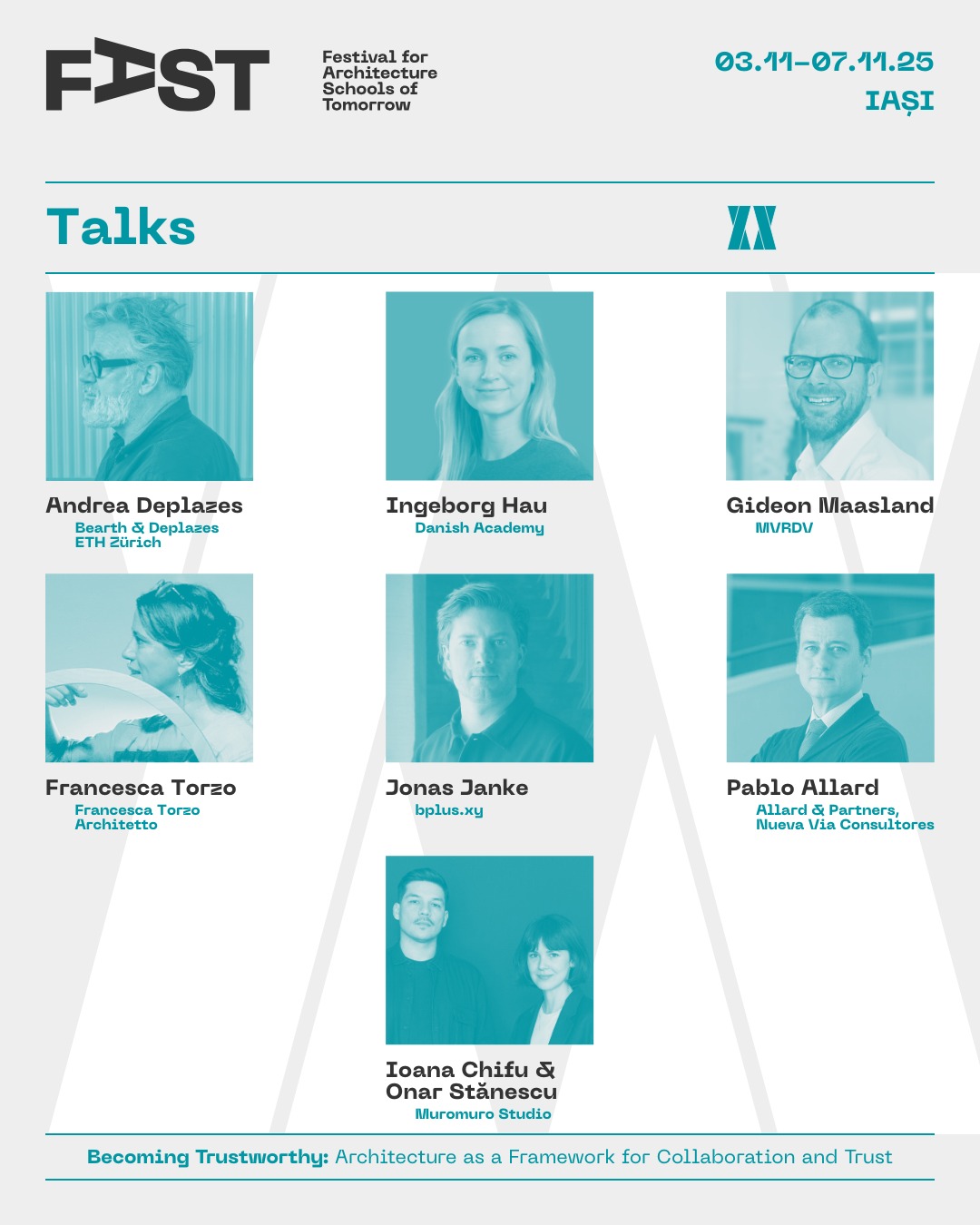
On stage: Muromuro Studio (Ioana Chifu & Onar Stănescu), Ingeborg Christiane Hau, and Gideon Maasland (MVRDV) — three voices shaping contemporary practice through diverse lenses and scales.
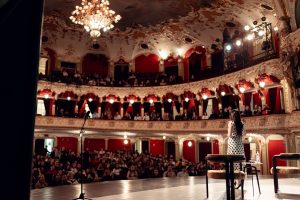
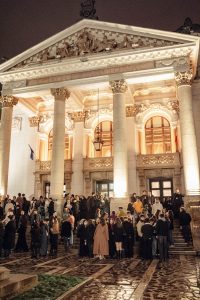
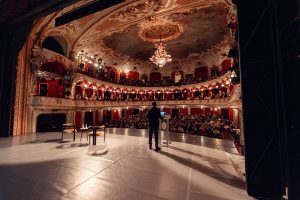
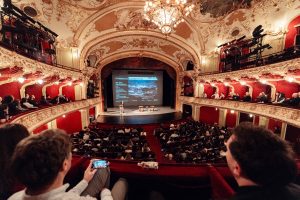
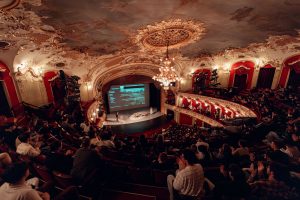
The evening marks the start of a three-day series exploring how architecture connects people, disciplines, and ideas. Expect an inspiring setting at the National Theatre, Iași, where thought meets atmosphere and dialogue unfolds in front of a live audience. Don’t miss your chance to secure one of the 250 seats — register now via the link below.
.
Registration link – TALKS – Tuesday, November 4
UPDATE: Registration is now closed.

TALKS – Wednesday, 5 November 2025

The second evening of FAST 2025 TALKS brings together two acclaimed figures in contemporary architecture. With only 250 tickets available, we encourage you to register via the link below.
On stage: Francesca Torzo (Francesca Torzo Architetto) and Pablo Allard (Universidad del Desarrollo / Allard & Partners).
Each will share perspectives shaped by their practice and research, offering insight into today’s architectural culture and its wider social impact. Join us for an evening of ideas and inspiration at the National Theatre, Iași — a space where reflection meets performance. Seats are limited to 250 — please register now at the link.
.
Registration link – TALKS – Wednesday, November 5
UPDATE: Registration is now closed.

TALKS – Thursday, 6 November 2025

The closing evening of the FAST 2025 TALKS concludes the festival with two renowned architects whose work bridges academia, research, and practice. Only 250 tickets are available — register now through the link provided.
Speakers: Jonas Janke (bplus.xyz) and Andrea Deplazes (ETH Zürich / Bearth + Deplazes).
The evening wraps up three days of discussion and exchange, bringing together voices that define how architecture can remain credible and relevant in times of change. Join us in the grand setting of the National Theatre, Iași, for a memorable finale to the 2025 edition of FAST. Seats are very limited — secure yours now via the registration link.
.
Registration link – TALKS – Thursday, November 6
UPDATE: Registration is now closed.
Copyright 2025 OAR. All rights reserved