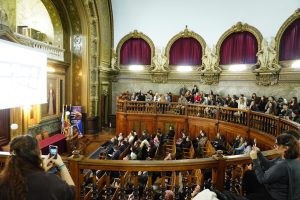
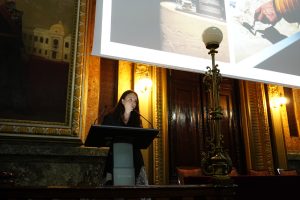
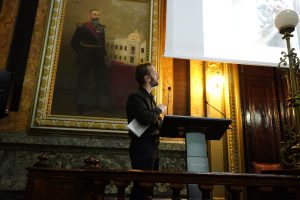
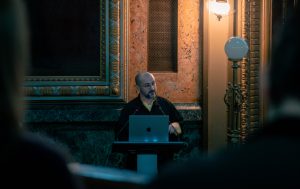
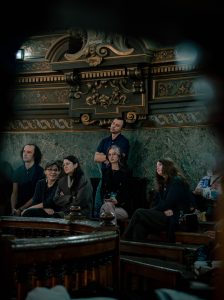
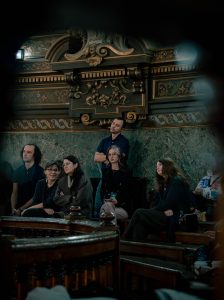
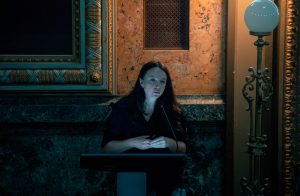
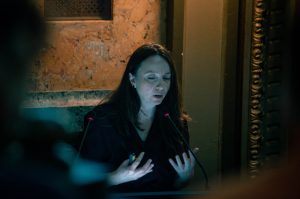
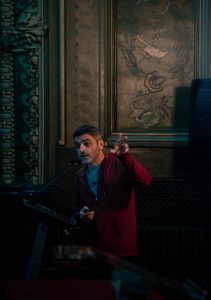
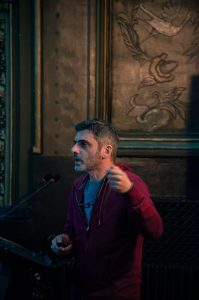
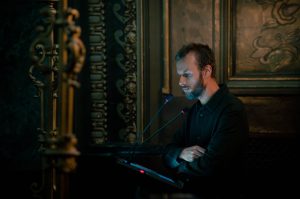
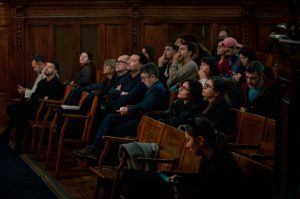
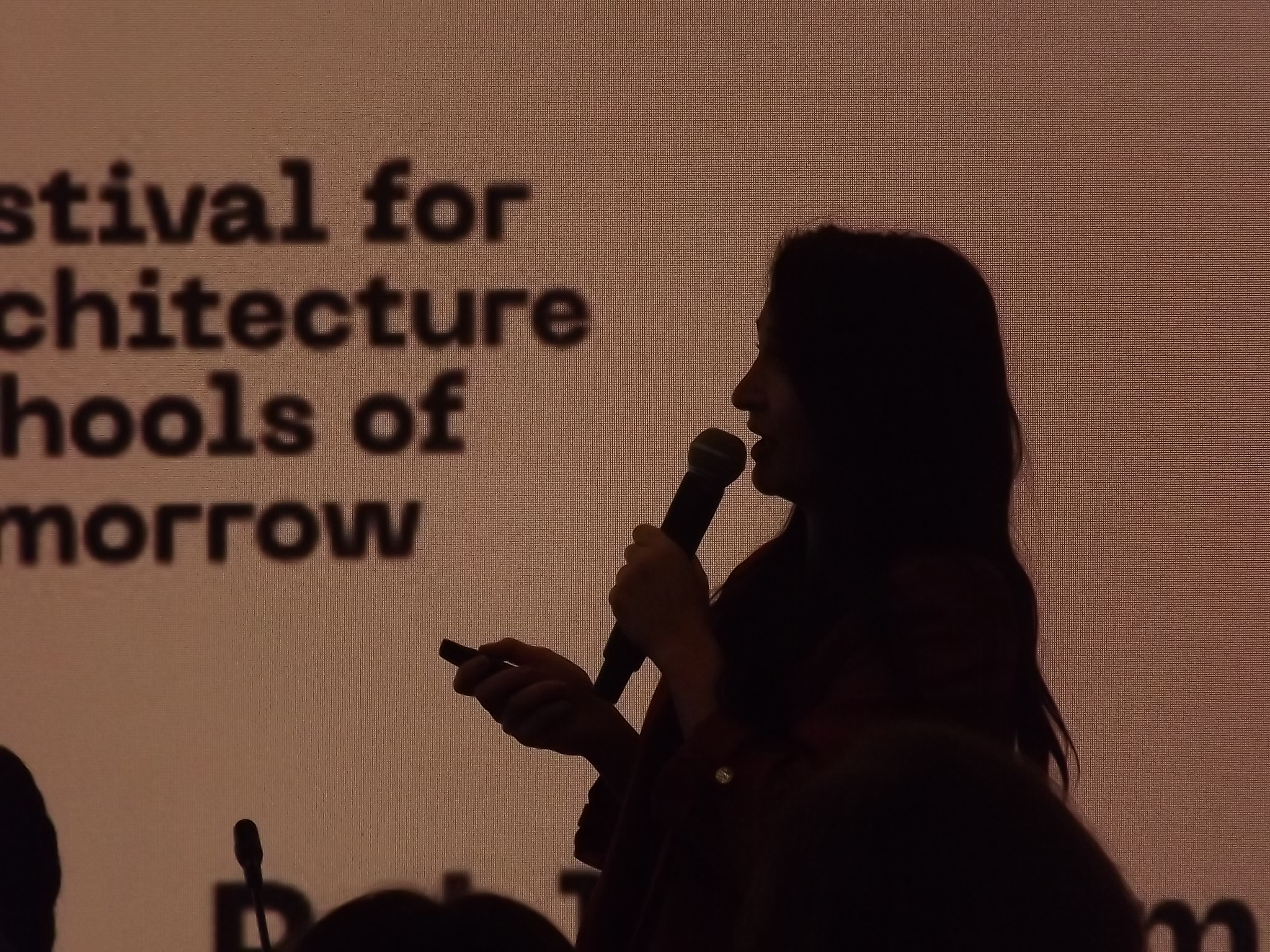
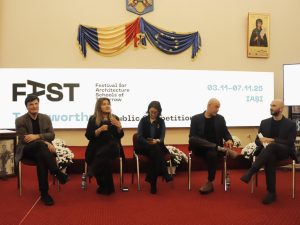
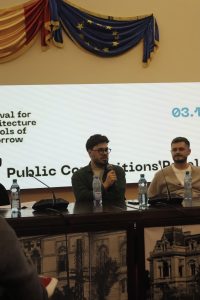
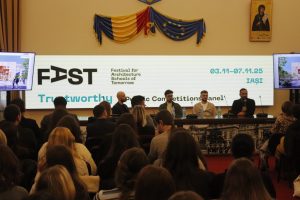
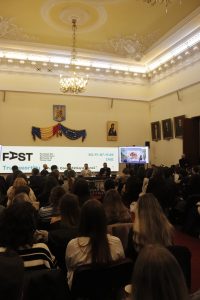
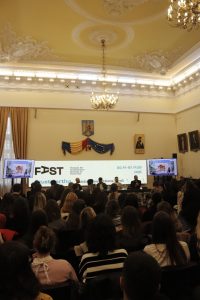
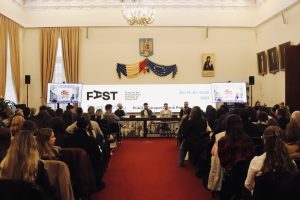
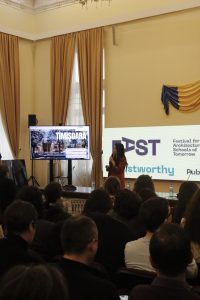
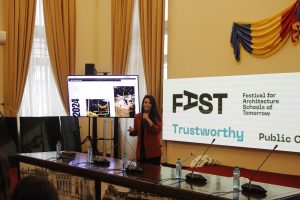
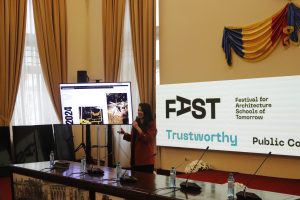
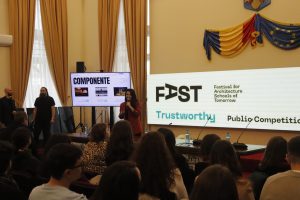
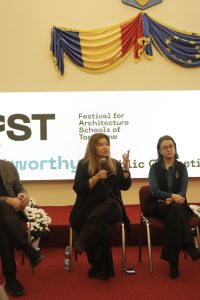
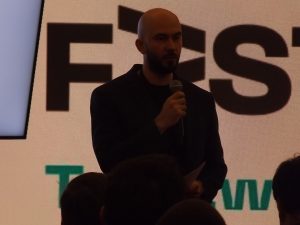
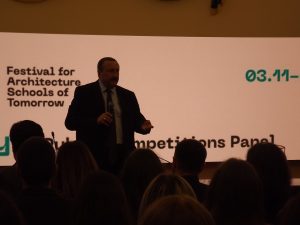
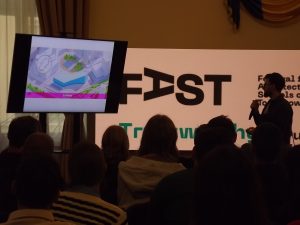
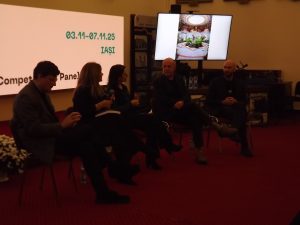
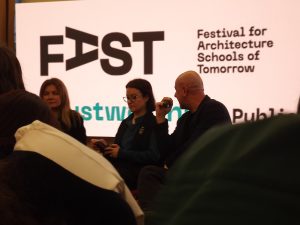
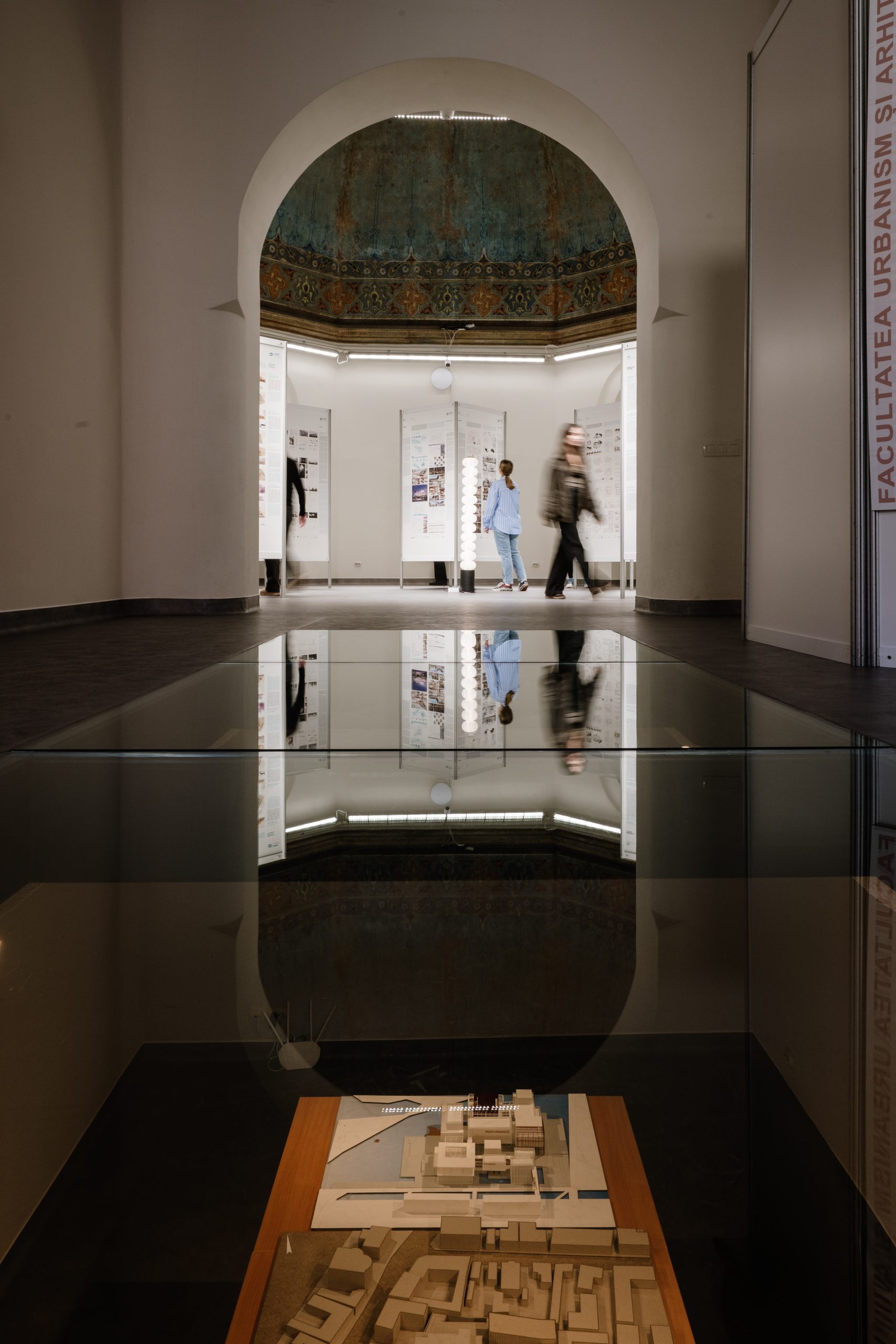
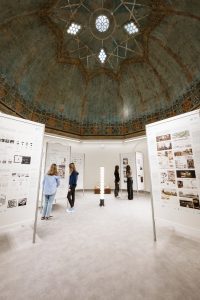
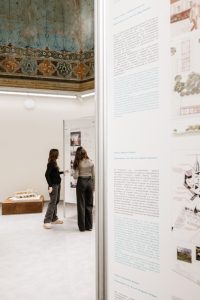
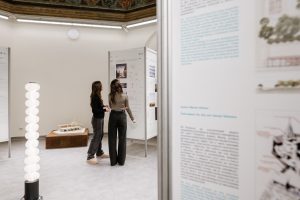
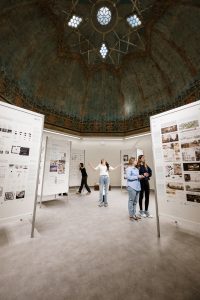
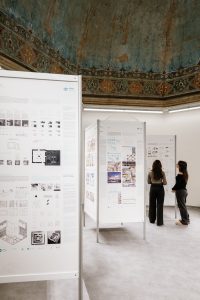
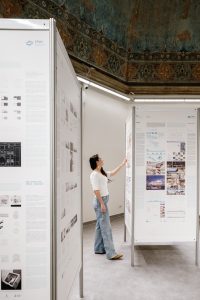
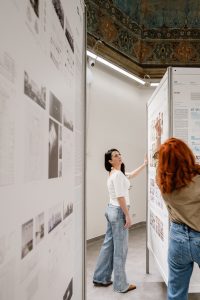
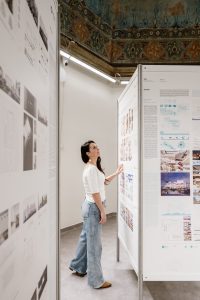
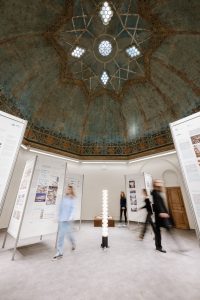
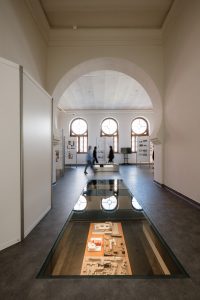
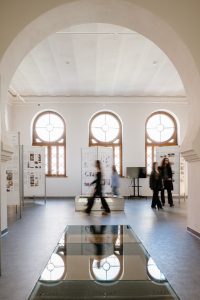
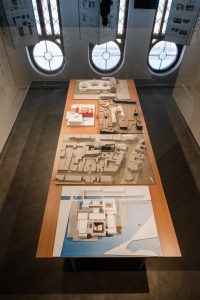
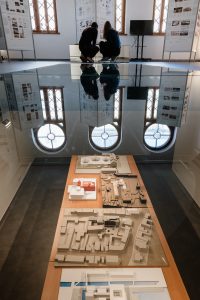
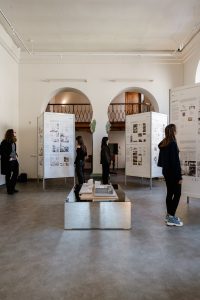
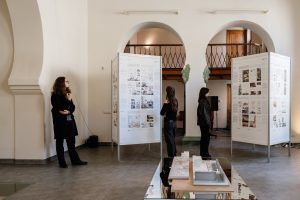
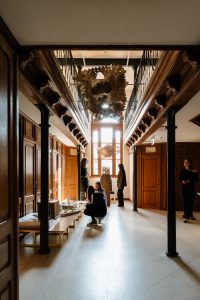
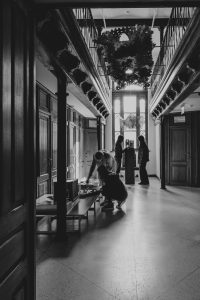
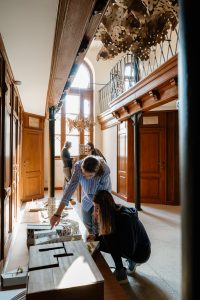
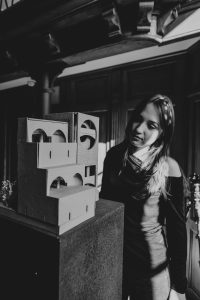
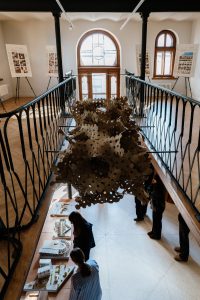
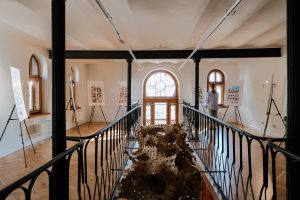
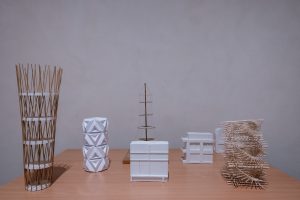
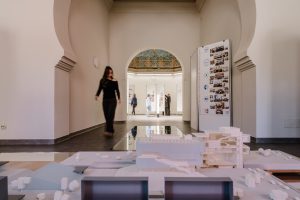
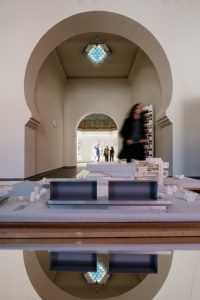
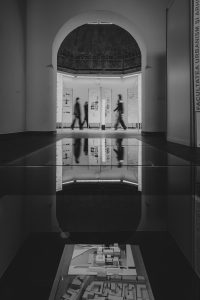
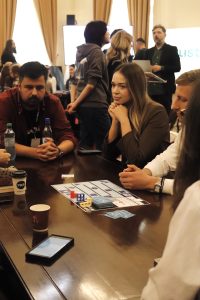
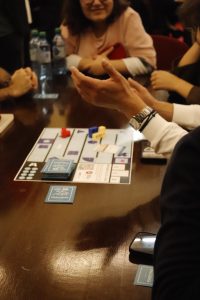
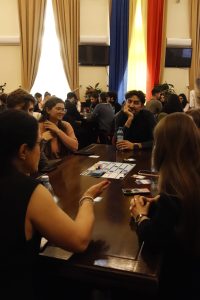
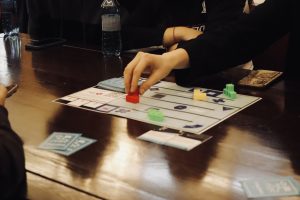
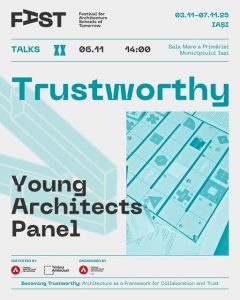
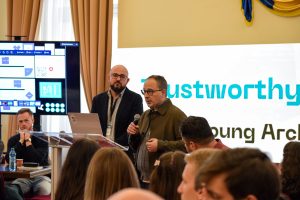
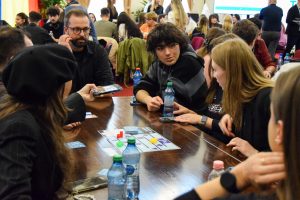
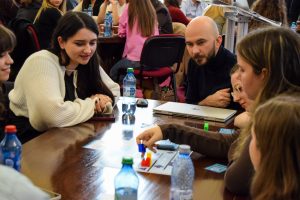
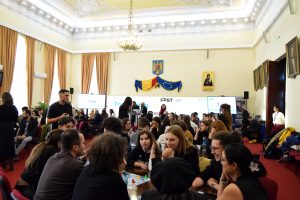
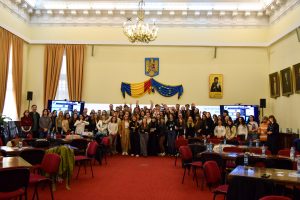
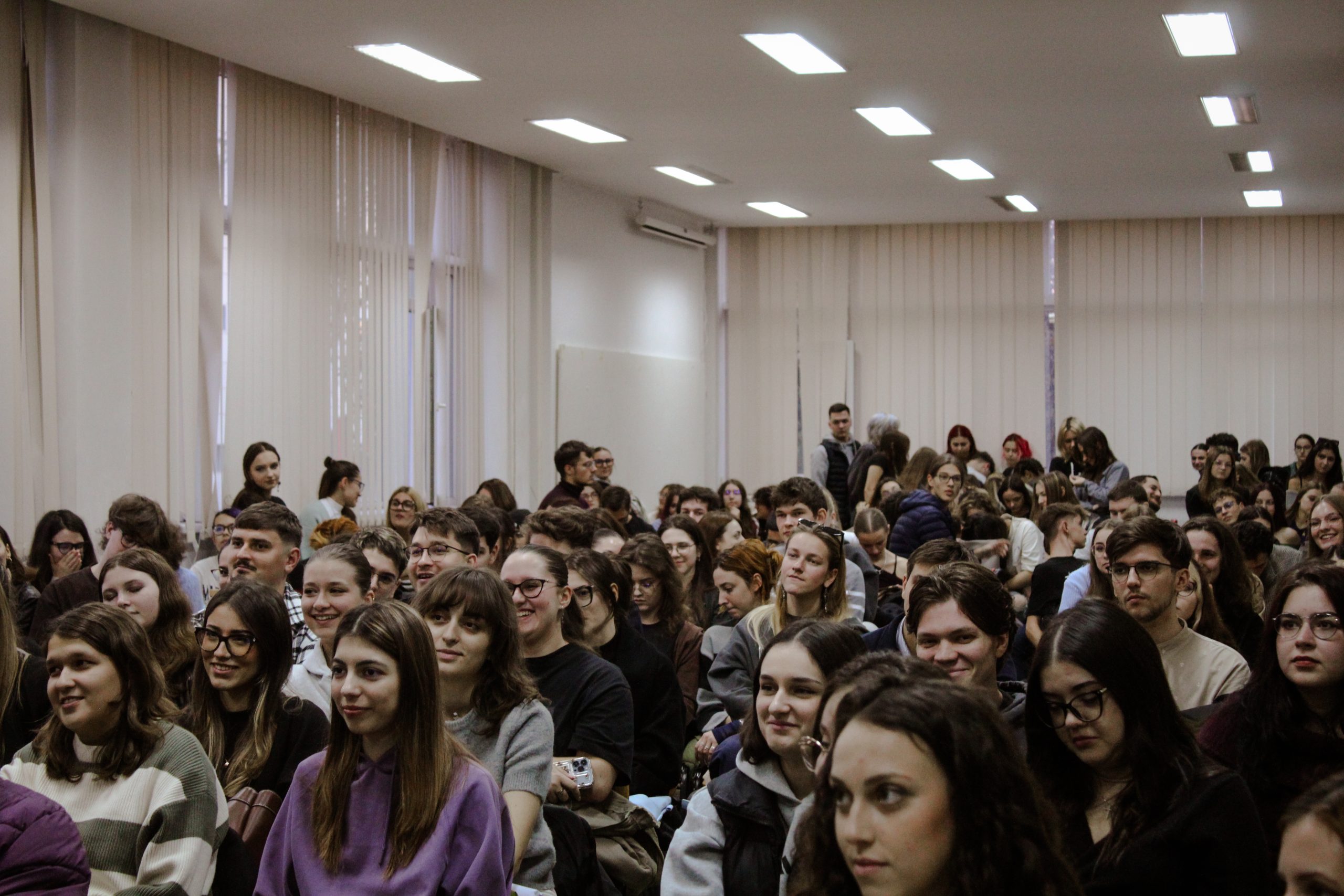
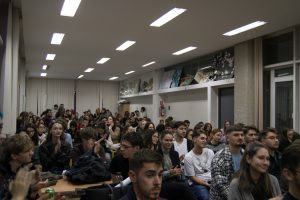
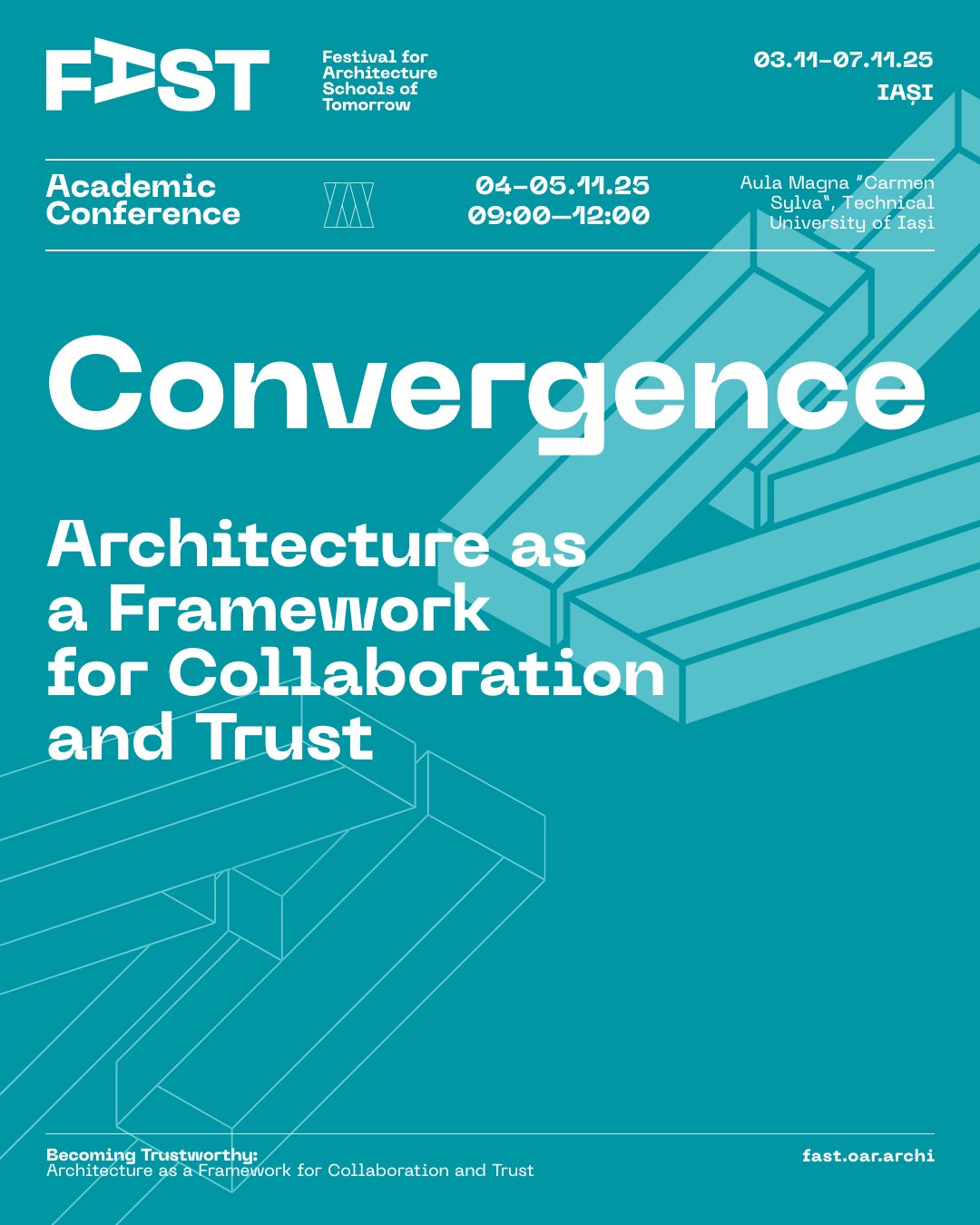
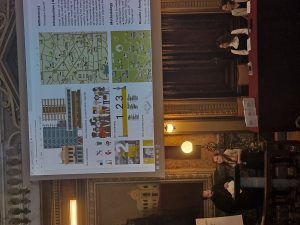
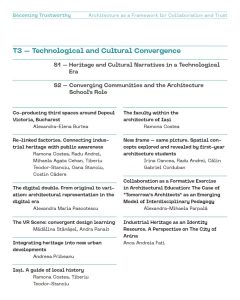
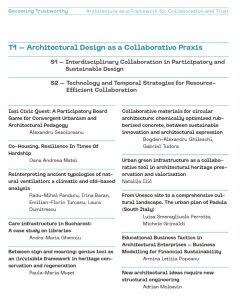
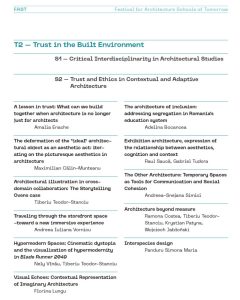
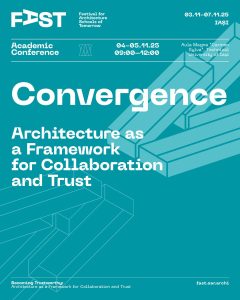
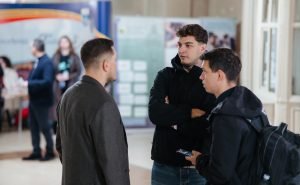
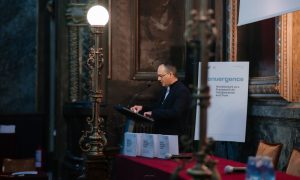
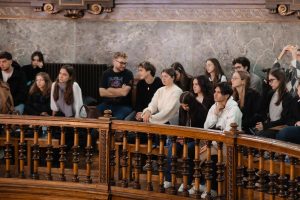
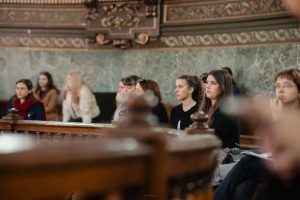
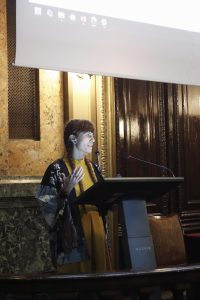
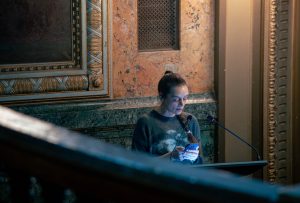
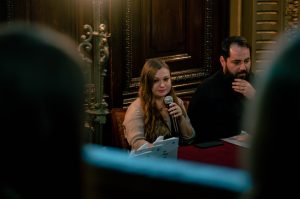
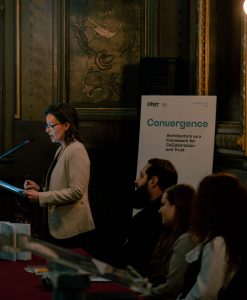
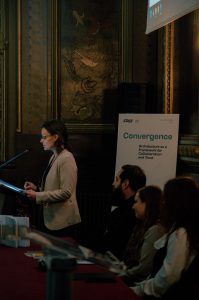
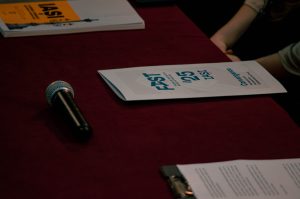
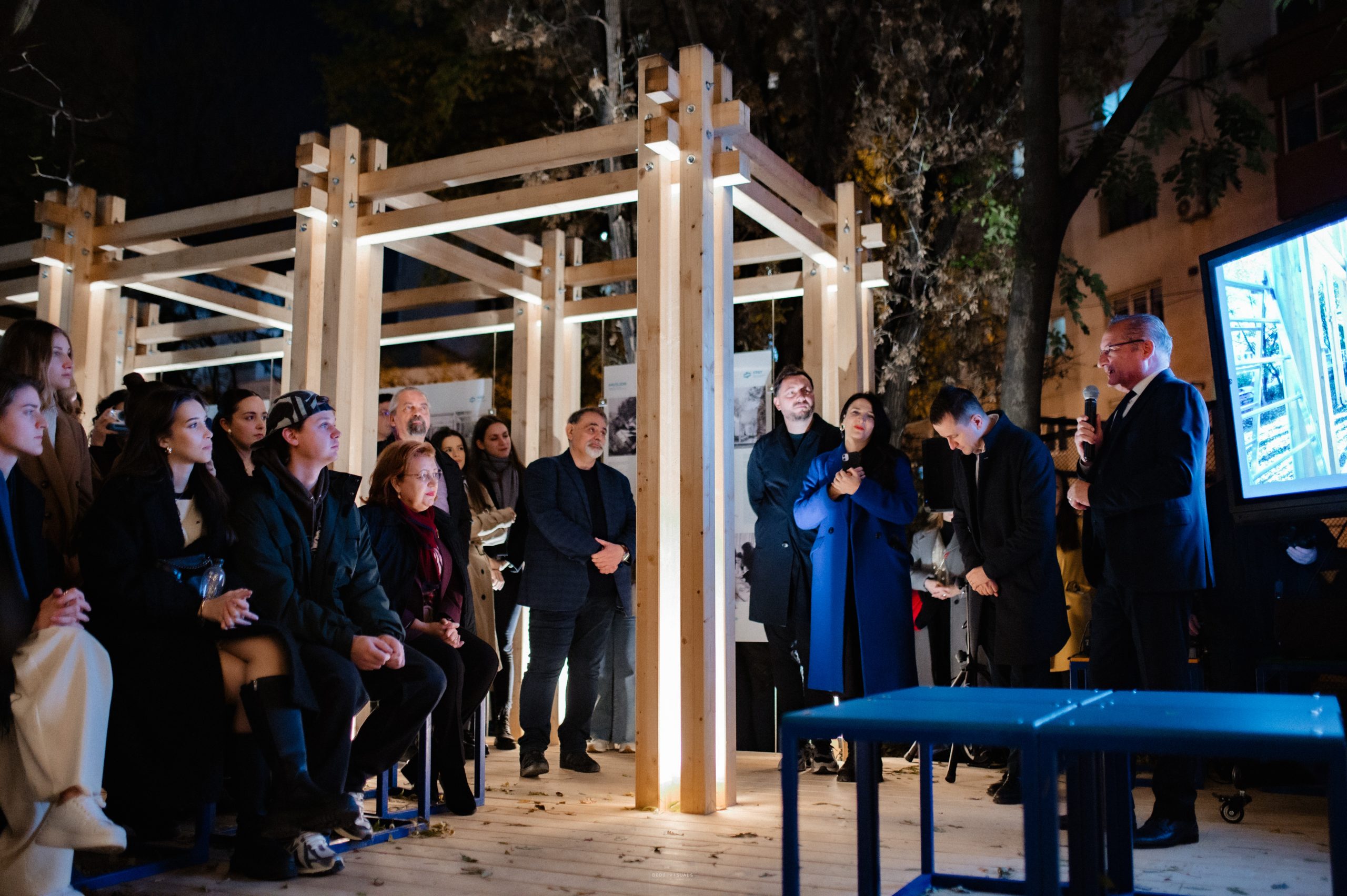
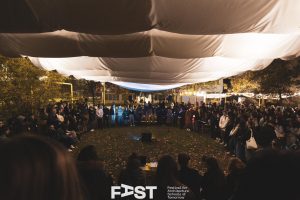
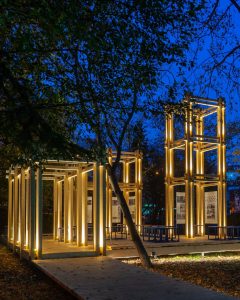
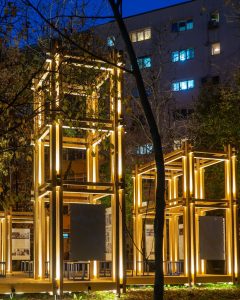
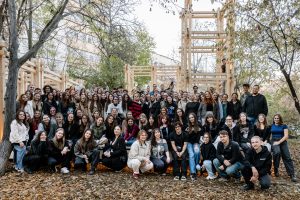
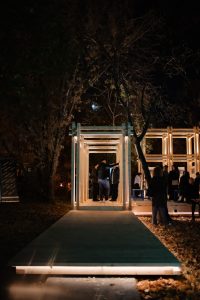
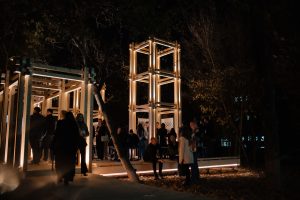
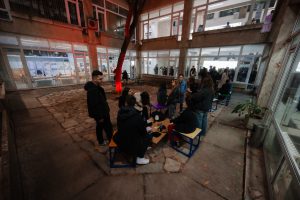
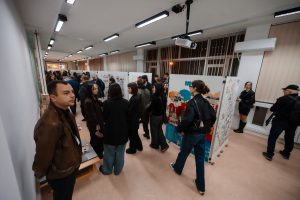
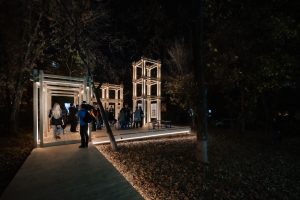
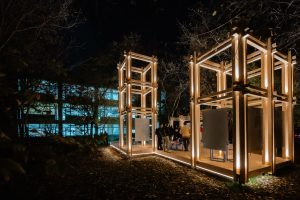
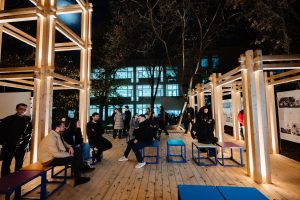
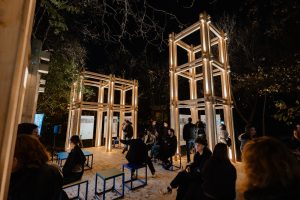
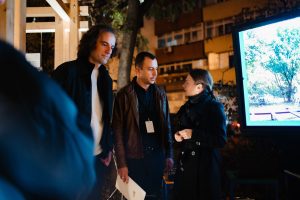
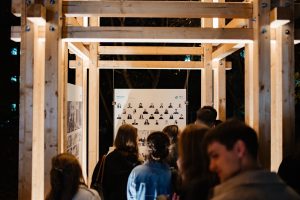
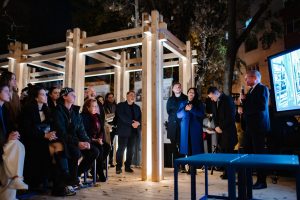
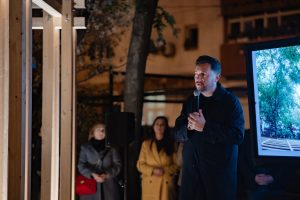
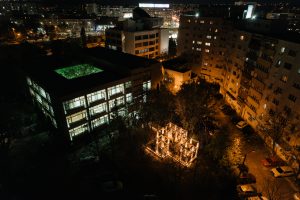
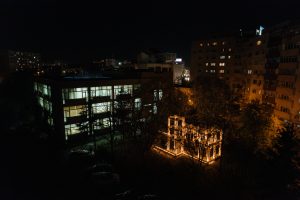
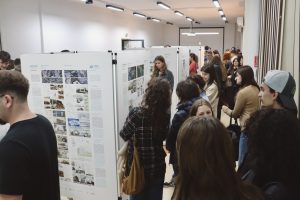
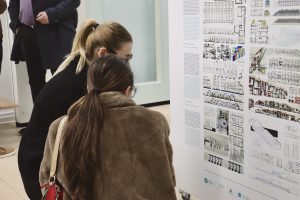
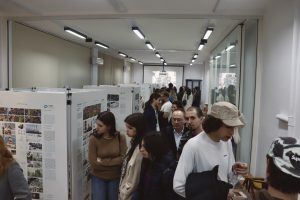
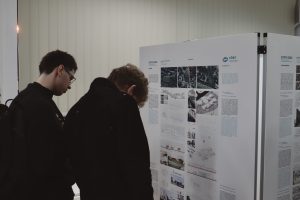
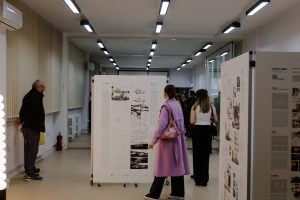
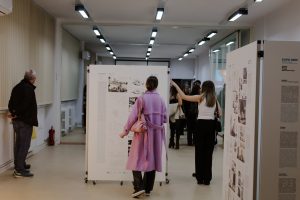
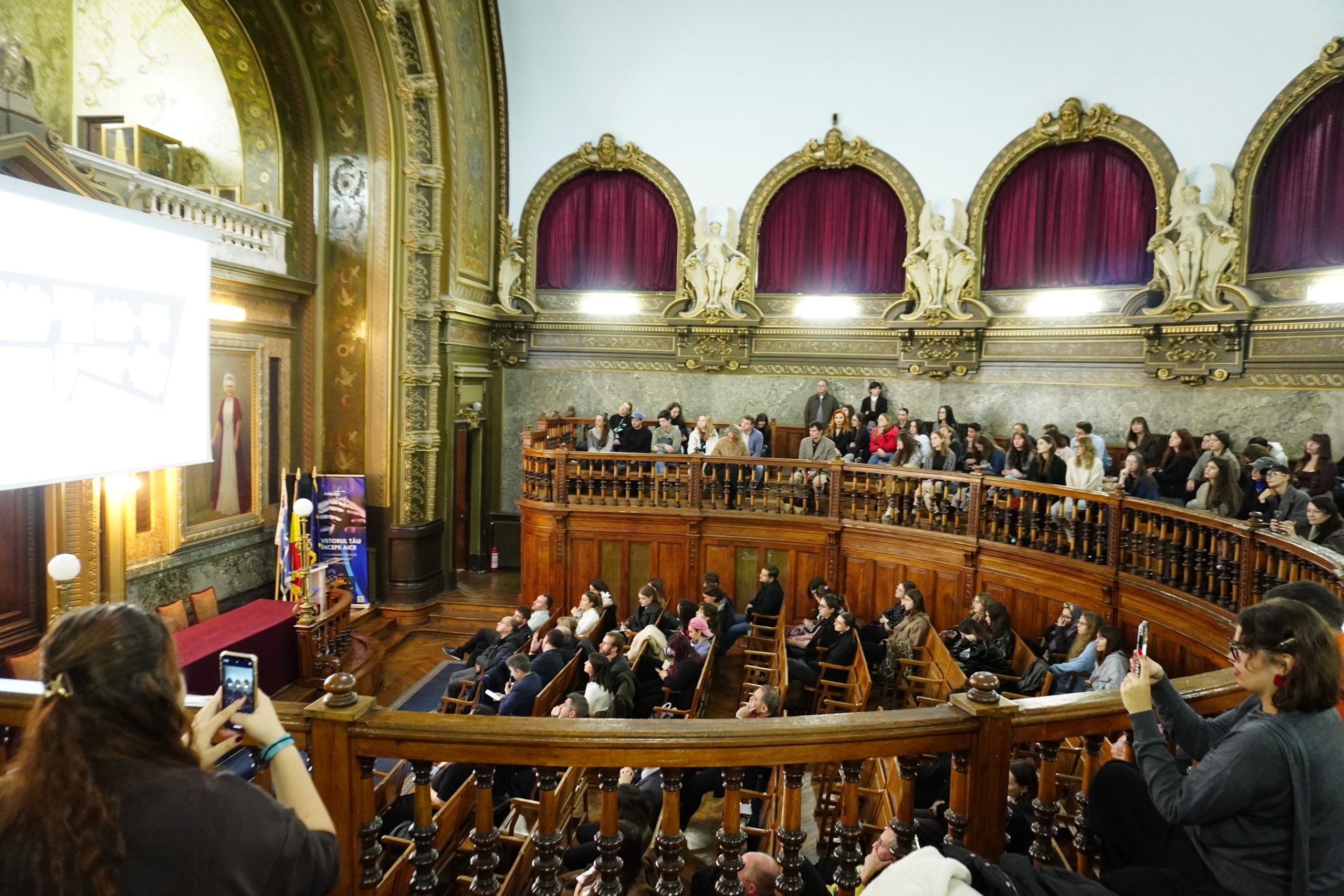
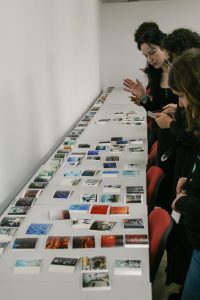
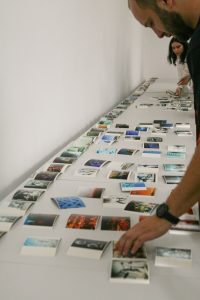
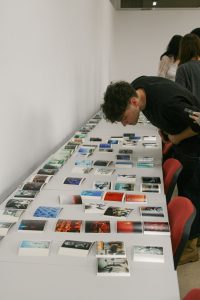
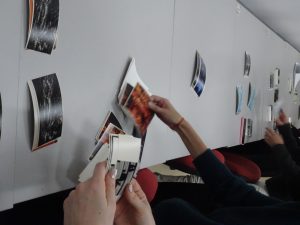
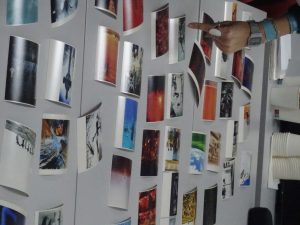
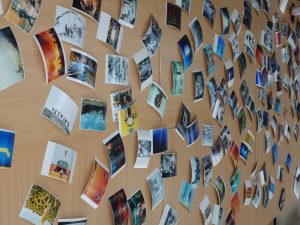
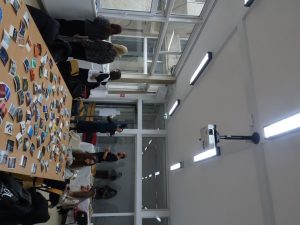
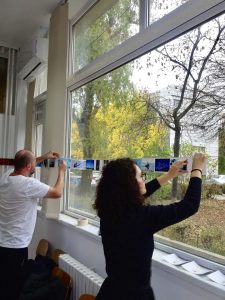
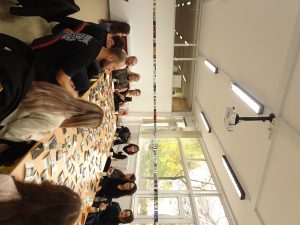
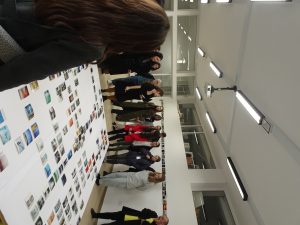
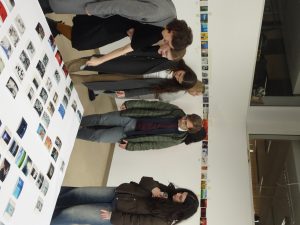
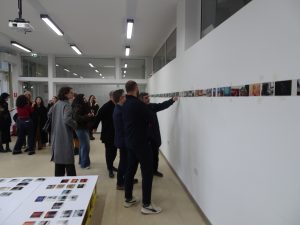
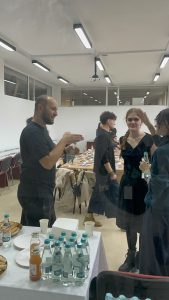
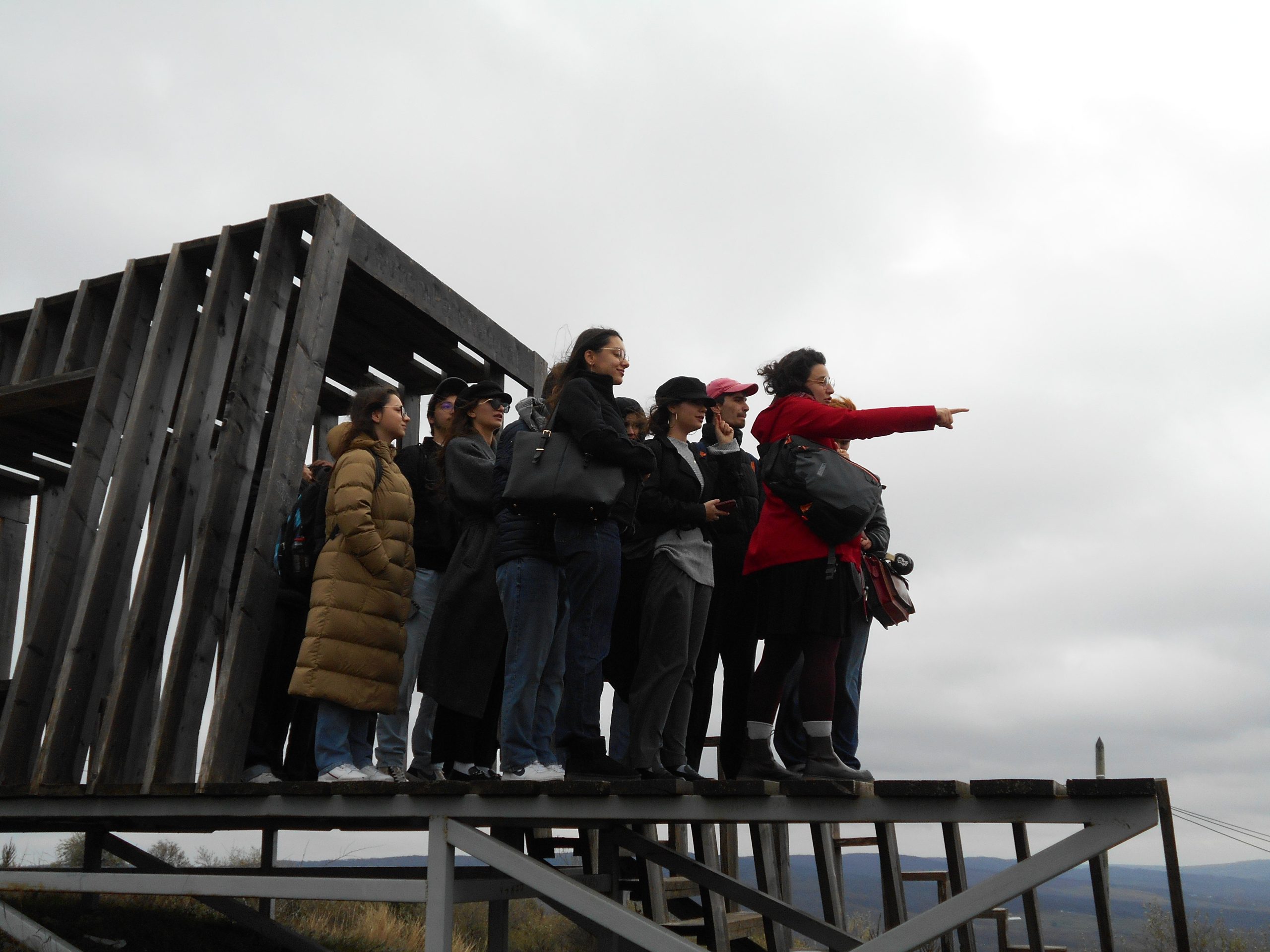
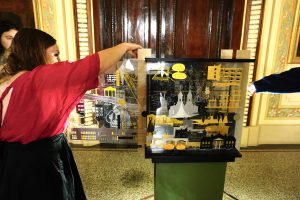
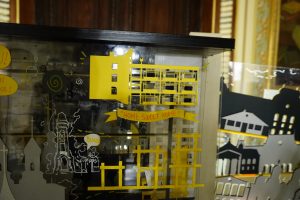
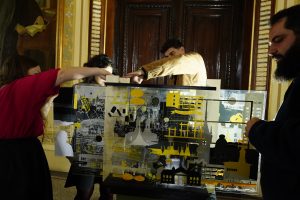
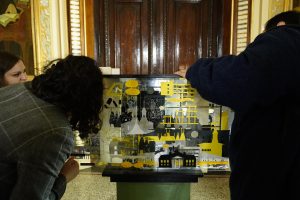
On Thursday, 6 November 2025, the Aula Magna “Carmen Sylva” of the Gheorghe Asachi Technical University of Iași hosted the Alumni Talks section of FAST, Festival for Architecture Schools of Tomorrow 2025. The event unfolded within the framework of the festival’s theme, Becoming, Architectures for a Planet in Transition, with a particular focus on Becoming Trustworthy.
Building on a format that had become a defining feature of FAST, Alumni Talks brought together outstanding graduates from the five architecture schools in Romania, Iași, Cluj-Napoca, Bucharest, Timișoara and Oradea, for a morning of presentations and open conversation centred on professional trajectories, ethics of practice and the evolving role of the architect in a world marked by uncertainty and transformation.
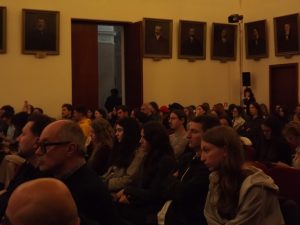
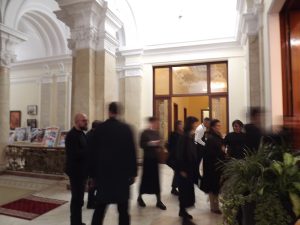
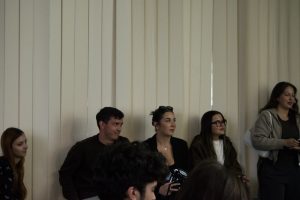
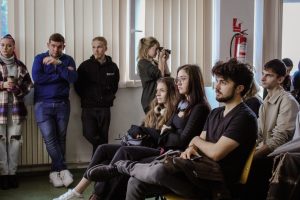
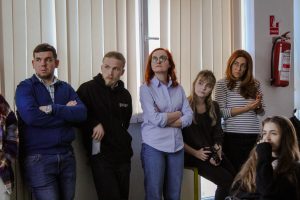
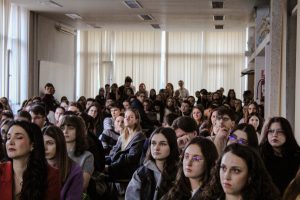
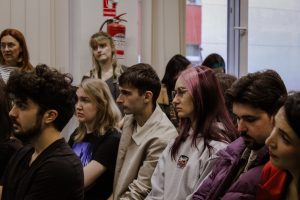
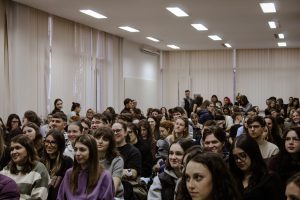
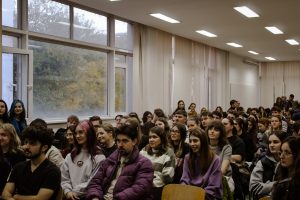
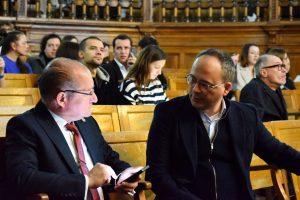
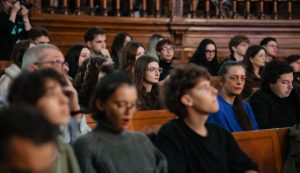
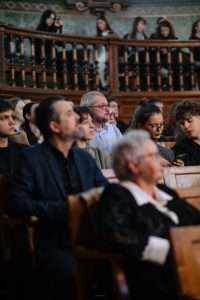
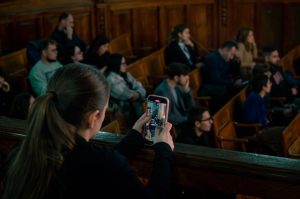
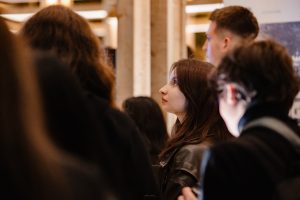
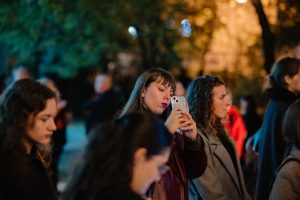
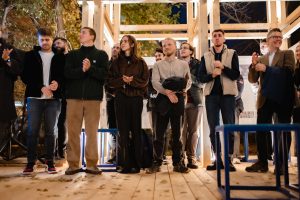
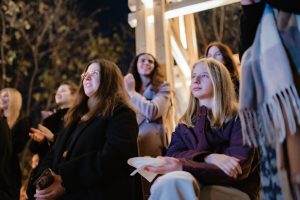
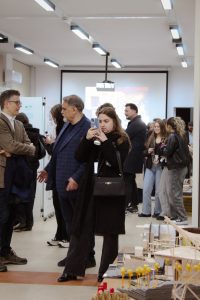
The event gathered a diverse and attentive audience, students, teaching staff, young professionals, representatives of the Order of Architects of Romania, OAR, and festival partners. The atmosphere in the hall was focused and generous, shaped by careful listening as much as by speaking, and by a shared curiosity about what it truly means to build a meaningful architectural practice today.
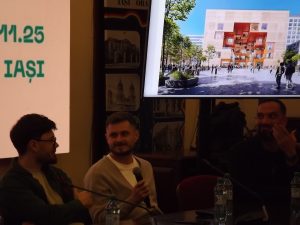
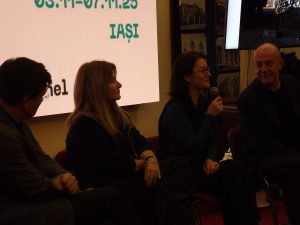
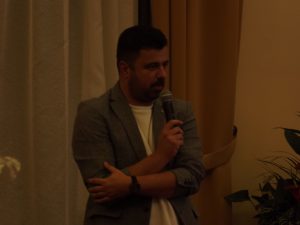
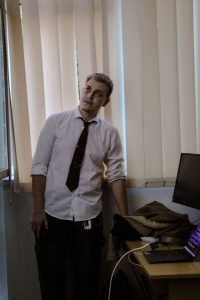
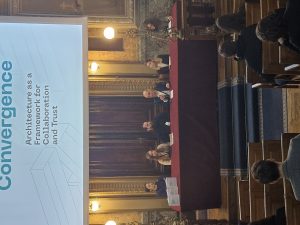
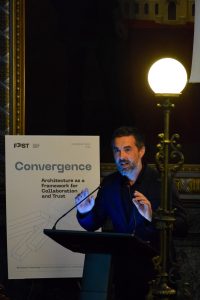
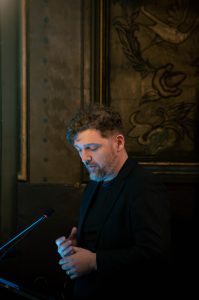
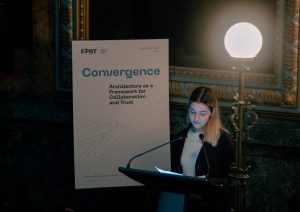
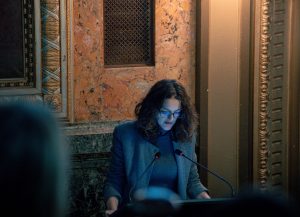
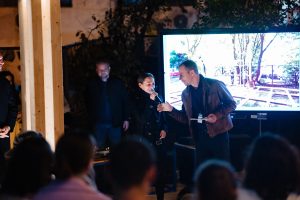
Moderated by Amalia Enache, the discussion brought together five alumni speakers, each representing a distinct school, generation and mode of practice, Laurian Ghinițoiu, Camelia Sisak, Justin Baroncea, Márton Tövissi and Alexandru Szűz Pop. Rather than presenting linear success stories, their contributions focused on doubt, experimentation, ethical positioning and the long-term responsibilities embedded in architectural work.
A dialogue across schools and generations
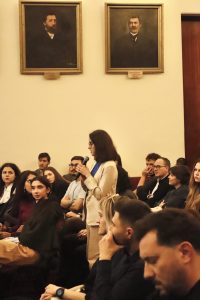
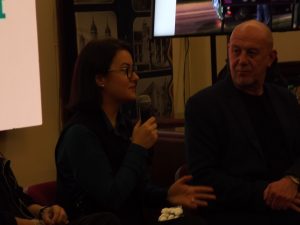
Throughout the morning, the speakers spoke openly about the paths they chose, the contexts they navigated and the values that shaped their professional decisions. The audience engaged actively, extending the conversation beyond individual projects toward broader questions related to trust, authorship, collaboration and relevance within contemporary practice.
One of the most spontaneous and meaningful moments emerged when the deans of the architecture faculties, all present in the hall, addressed questions directly to the alumni. This unexpected exchange generated a deeper and more nuanced discussion, prompting the speakers to reflect in greater detail on how they view the start of their careers, drawing on what they would have liked to do differently and what they would have done the same. The discussion moved into a reflective and honest space, revealing not only achievements, but also vulnerabilities, failures and long learning processes that are rarely visible in formal academic or professional narratives.
Mentorship, responsibility and becoming trustworthy
Across all presentations, mentorship and responsibility emerged as recurring themes, both received and offered. The alumni reflected on how their university education shaped their ways of thinking, while also acknowledging its limits. They spoke about the importance of informal learning, observation, trial and error and the gradual construction of ethical positions, rather than the adoption of predefined professional identities.
Becoming trustworthy was described not as a fixed status, but as an ongoing process that required time, consistency and the courage to question dominant models of practice. Through personal stories and concrete examples, the speakers highlighted accountability toward communities, collaborators, cultural contexts and the built environment itself. In this sense, Alumni Talks became a lived interpretation of the FAST theme, where becoming was understood through responsibility, care and long-term commitment rather than certainty.
Following the event, several alumni shared reflections they wished to pass on to those who could not attend. Many students noted that hearing about hesitation, doubt and long-term commitment felt more relevant than polished success stories. Among the ideas that resonated most strongly were the importance of staying curious, accepting uncertainty and allowing professional identities to evolve over time.
Rather than offering formulas for success, the speakers encouraged students and young architects to build their own paths gradually, guided by integrity, collaboration and a deep understanding of context.
A growing alumni network
Alumni Talks fulfilled their core objectives, bridging the gap between students and graduates, sharing diverse professional experiences, inspiring through authentic career paths and strengthening the alumni network of architecture schools in Romania. More than a series of presentations, the session became a space of collective reflection, reinforcing the idea that architecture is not only about building, but about responsibility, trust and long-term engagement.
As FAST 2025, the Alumni Talks remained a key moment of pause and reflection, a reminder that becoming an architect is not a destination, but a continuous process of learning, questioning and becoming trustworthy.
We, at the OAR, would also like to extend our gratitude toward the speakers for their openness, transparency, and for the way they chose to present their journey as architects from their student years to their current professional practice, thus offering the architecture students present in the room a clear perspective on how their own careers might evolve.
ABOUT THE 5 ALUMNI
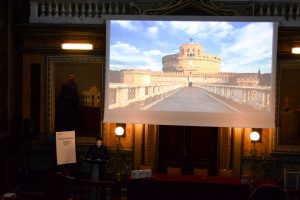
Laurian Ghinițoiu, a graduate of the Faculty of Architecture “G.M. Cantacuzino” in Iași, reflected on his transition from architectural training to a transdisciplinary artistic practice. He spoke about observation as a form of research, travel and displacement as tools for understanding the built environment and the ethical responsibility involved in representation. His contribution emphasised architecture’s ability to reveal hidden socio-economic narratives and to question power structures through image, film and spatial storytelling.
Camelia Sisak, a graduate of the Faculty of Architecture and Urban Planning in Cluj-Napoca and co-founder of Atelier MASS, shared insights from her work at the intersection of architecture, urbanism and exhibition design. She discussed contextual design as a form of care, stressing the importance of listening, to sites, to communities and to history. Drawing from urban regeneration projects and curatorial collaborations, she highlighted architecture’s capacity to shape cultural experience and to build public trust over time.
Justin Baroncea, a graduate of UAUIM Bucharest, approached architecture through experimentation, bricolage and interdisciplinary practice. His presentation explored work on public space, sound installations, recycled materials and DIY processes, challenging conventional boundaries between architecture, design, art and craft. He spoke about play, improvisation and curiosity as legitimate professional tools, advocating for practices that remain open, adaptive and critically engaged.
Márton Tövissi, a graduate of the Faculty of Architecture and Urban Planning in Timișoara and co-founder of a-platz, reflected on working across multiple geographies, between Romania, France and Hungary. He discussed the importance of context as a guiding principle, shaped by the office’s bi-polar positioning. His contribution focused on collaboration, long-term commitment to place and the careful negotiation between local specificity and international practice.
Alexandru Szűz Pop, a graduate of the Faculty of Construction, Cadastre and Architecture in Oradea, spoke about working with heritage, materiality and contemporary architectural language. Drawing from both personal projects and long-term collaborations, he reflected on restoration as an ethical practice and on the responsibility of intervening within existing structures. His presentation emphasised patience, continuity and respect for the built legacy as foundations of professional trust.
Photo credit: Raluca Toma, Bumbu Oliver, Codau Alexandra