Author: Simona Serban

Affective cartographies workshop @ FAST 2025 

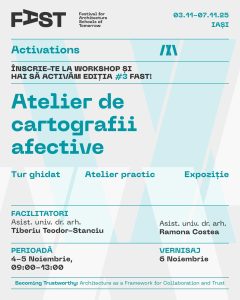
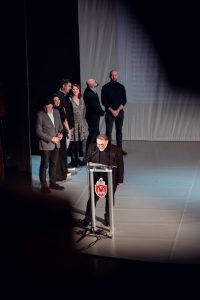
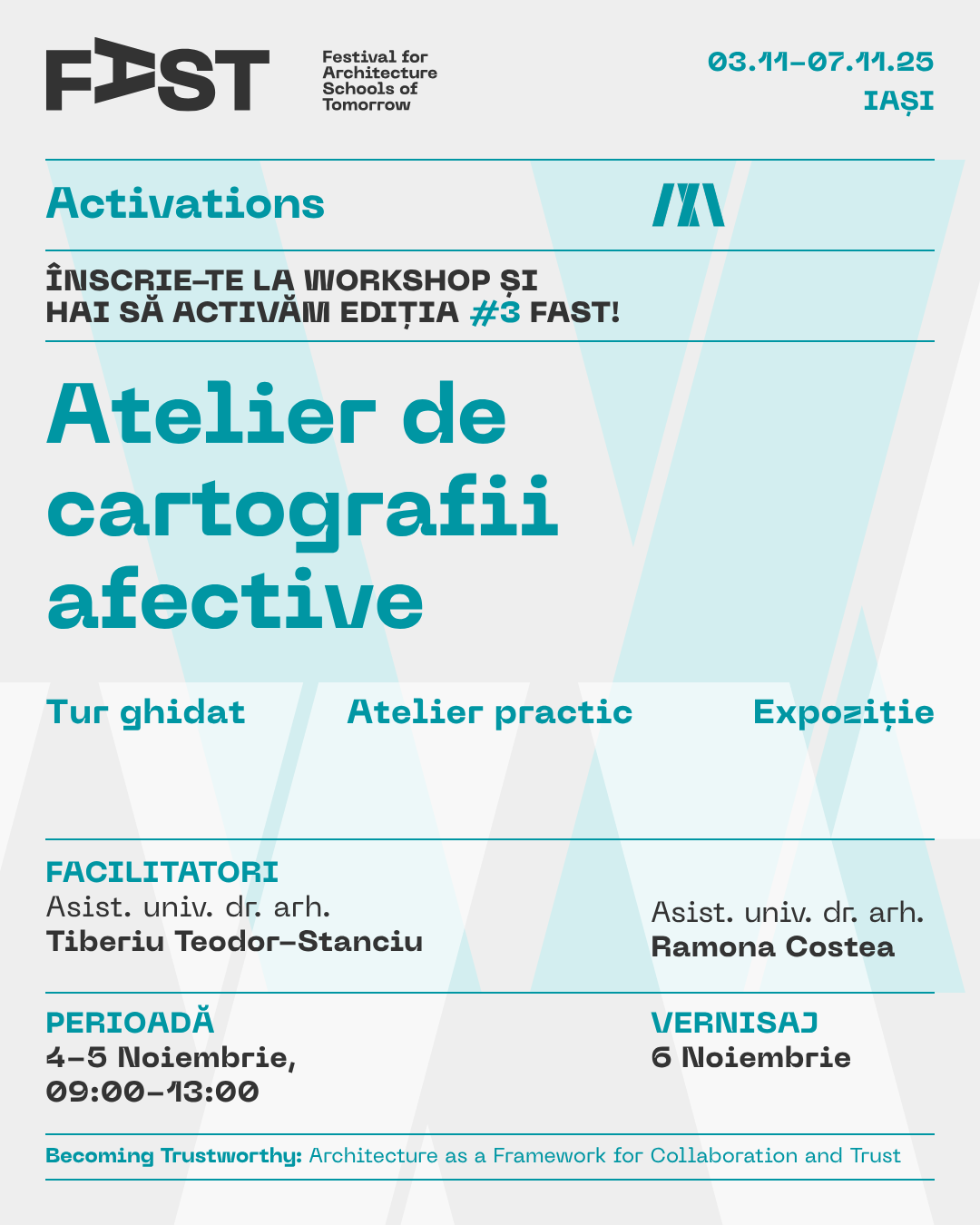
The Affective Cartographies workshop, facilitated by Assist. Prof. PhD Arch. Tiberiu Teodo-Stanciu and Assist. Prof. PhD Arch. Ramona Costea, took place on 4-5 November 2025, between 9:00–13:00, bringing together 15 architecture students (three from each participating faculty).  

The workshop unfolded across two complementary settings, the historic center of Iași and the FAST workshop space at the Faculty of Architecture, and proposed a poetic investigation into the relationship between city, perception, and memory. 

Designed specifically for architecture students, the workshop encouraged participants to explore the city not only as built fabric, but as a field of emotions, recollections, and personal interpretations. Guided by the facilitators, students approached urban space as a living archive shaped by subjective experience. The theme of convergence framed the process: individual perceptions gradually merged into a collective emotional map. 

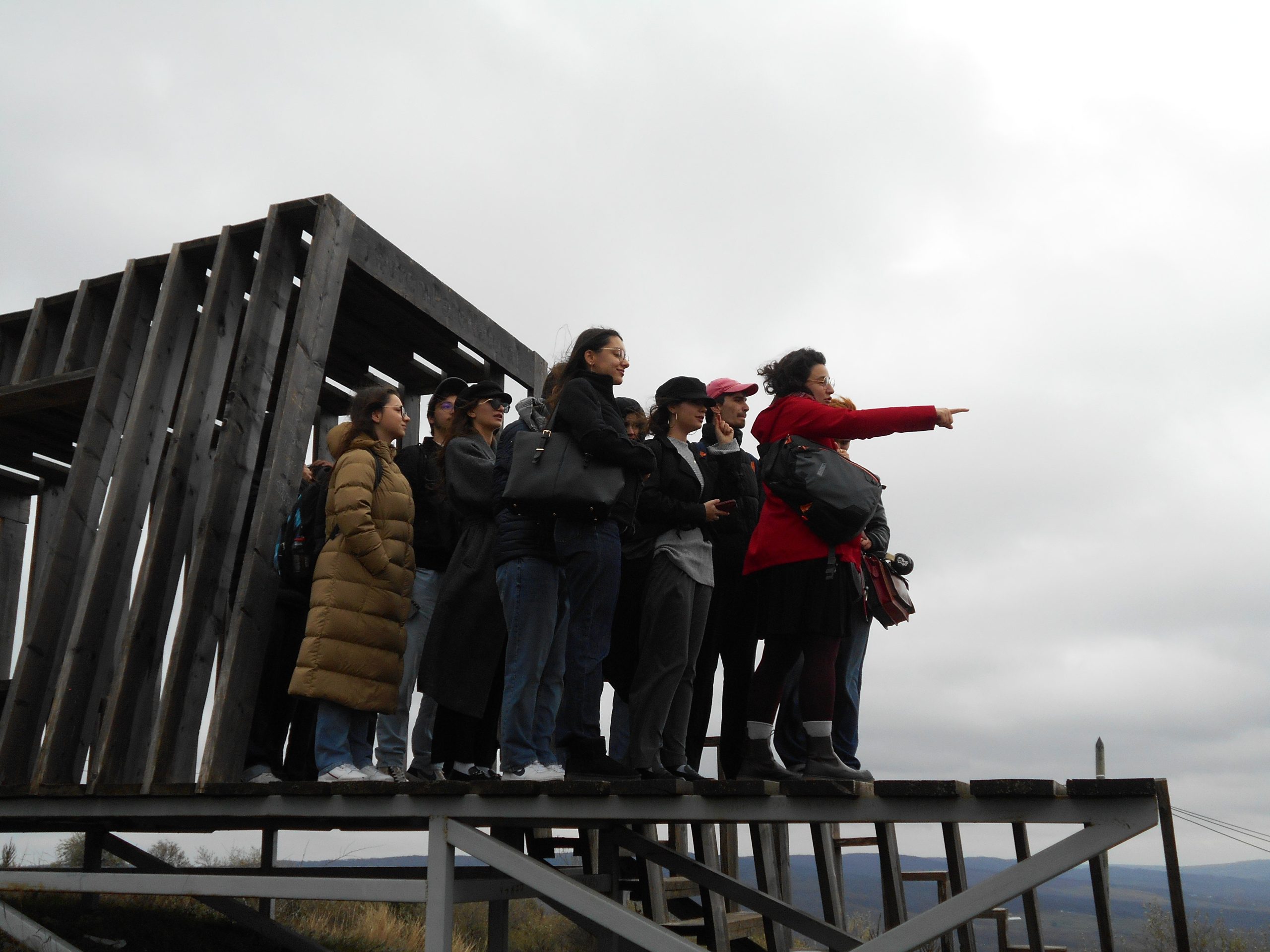
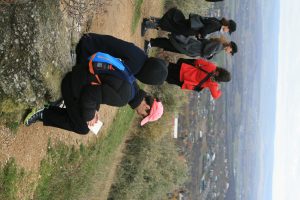
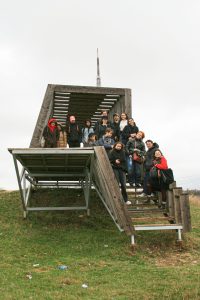
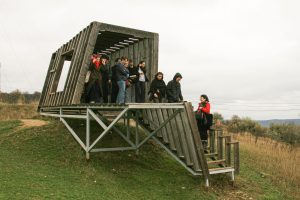
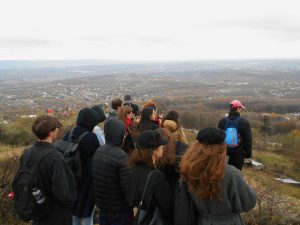
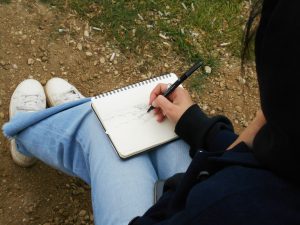
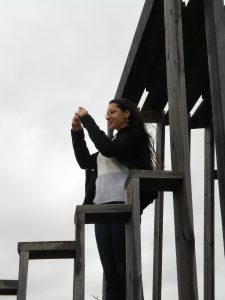
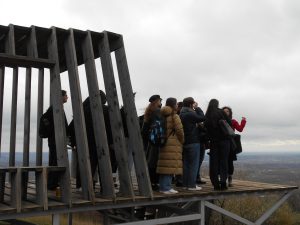
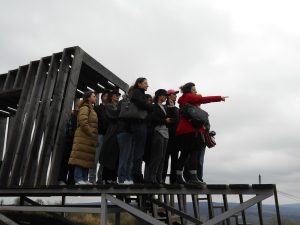
The first stage consisted of a two-hour guided sensory walk through central Iași. Participants documented the city through photography, handwritten notes, and rapid sketches, focusing on textures, rhythms, atmospheres, fragments of sound, and fleeting impressions. Rather than analyzing infrastructure or typology, students explored how the city is felt and remembered. This exploratory phase emphasized intuition, attention, and emotional awareness as architectural tools. 

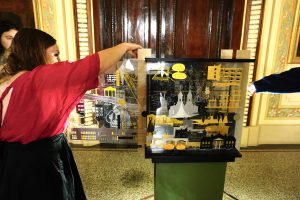
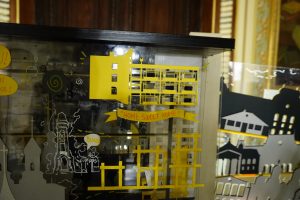
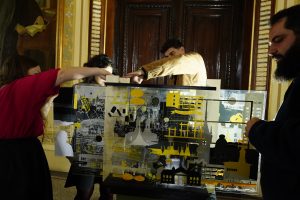
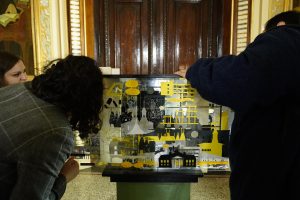
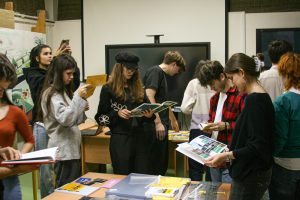
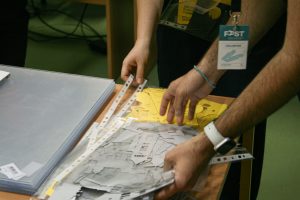
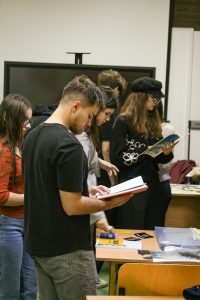
Back in the workshop space, the group translated these experiences into physical artifacts. Each participant produced a two-dimensional collage on a 50 × 50 cm plexiglass panel, layering cut silhouettes of buildings with drawings and handwritten text in white marker. The transparent surfaces allowed overlapping narratives to coexist, symbolizing how multiple readings of the same city can occupy the same space. 

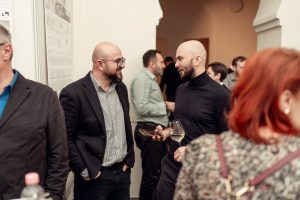
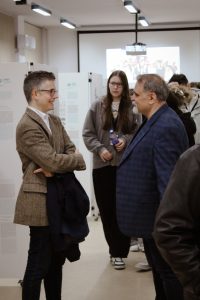
All works were assembled into a shared installation resembling sliding dioramas, which could be rearranged and viewed from multiple angles. This format highlighted the fluidity of perception and invited viewers to actively reinterpret the collective map. The final results were presented during a public vernissage on 6 November 2025, marking the culmination of the workshop. 

The atelier was widely appreciated for the type of experience it generated: immersive, reflective, and collaborative. Students explored the emotional dimension of architecture and urban space, developing new ways of observing, recording, and translating lived experience into visual language. Supported and guided by experienced architects and educators, the workshop created a rare environment where poetic inquiry and architectural thinking converged, reinforcing the idea that cities are not only constructed, they are continuously felt, remembered, and rewritten by those who inhabit them. 

Photo credit – Matei Ana Maria, Apetrii Maria 


Opening: 6th Year Exhibition – Exploring FAST Editions & Future Architects 

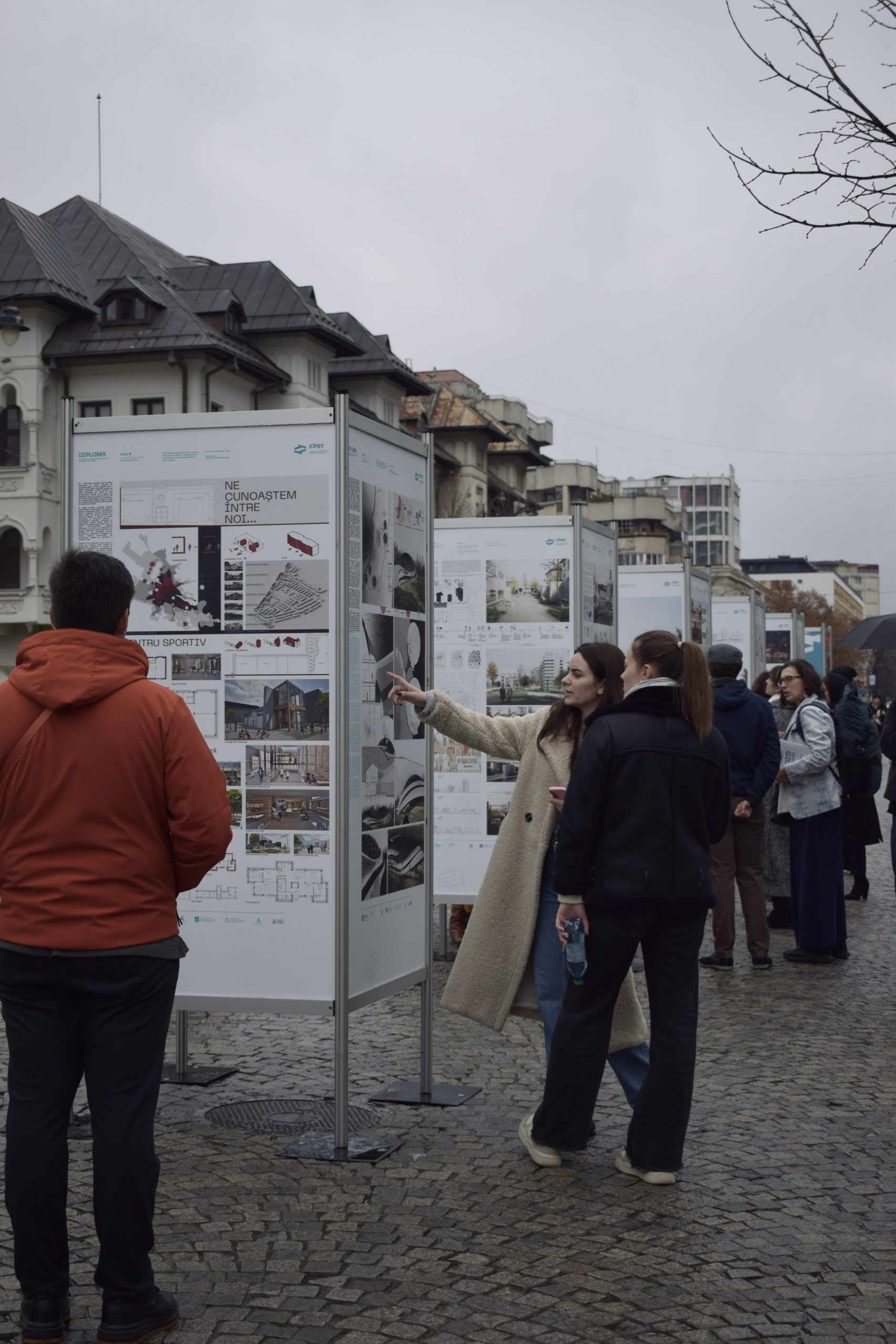
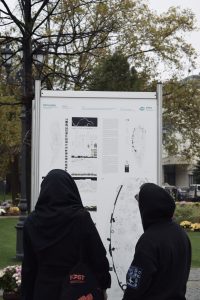
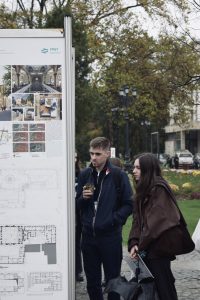
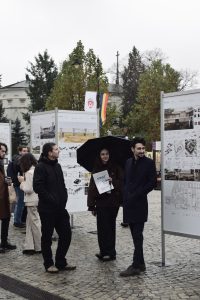
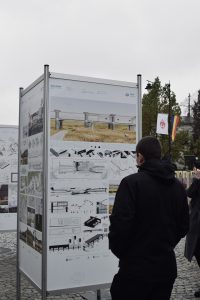
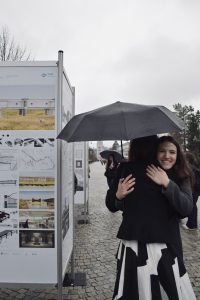
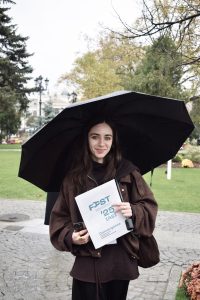
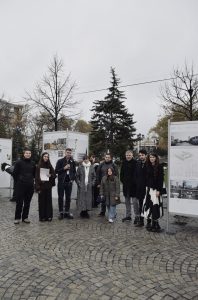
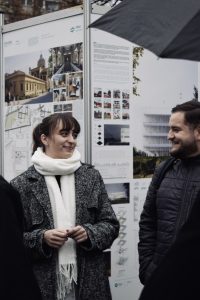
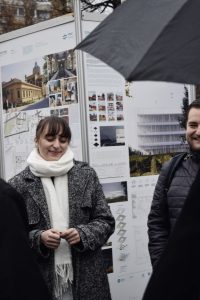
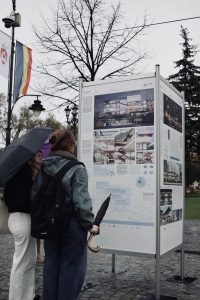
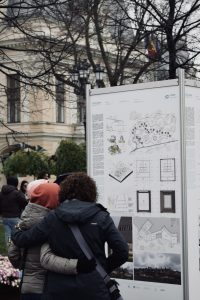
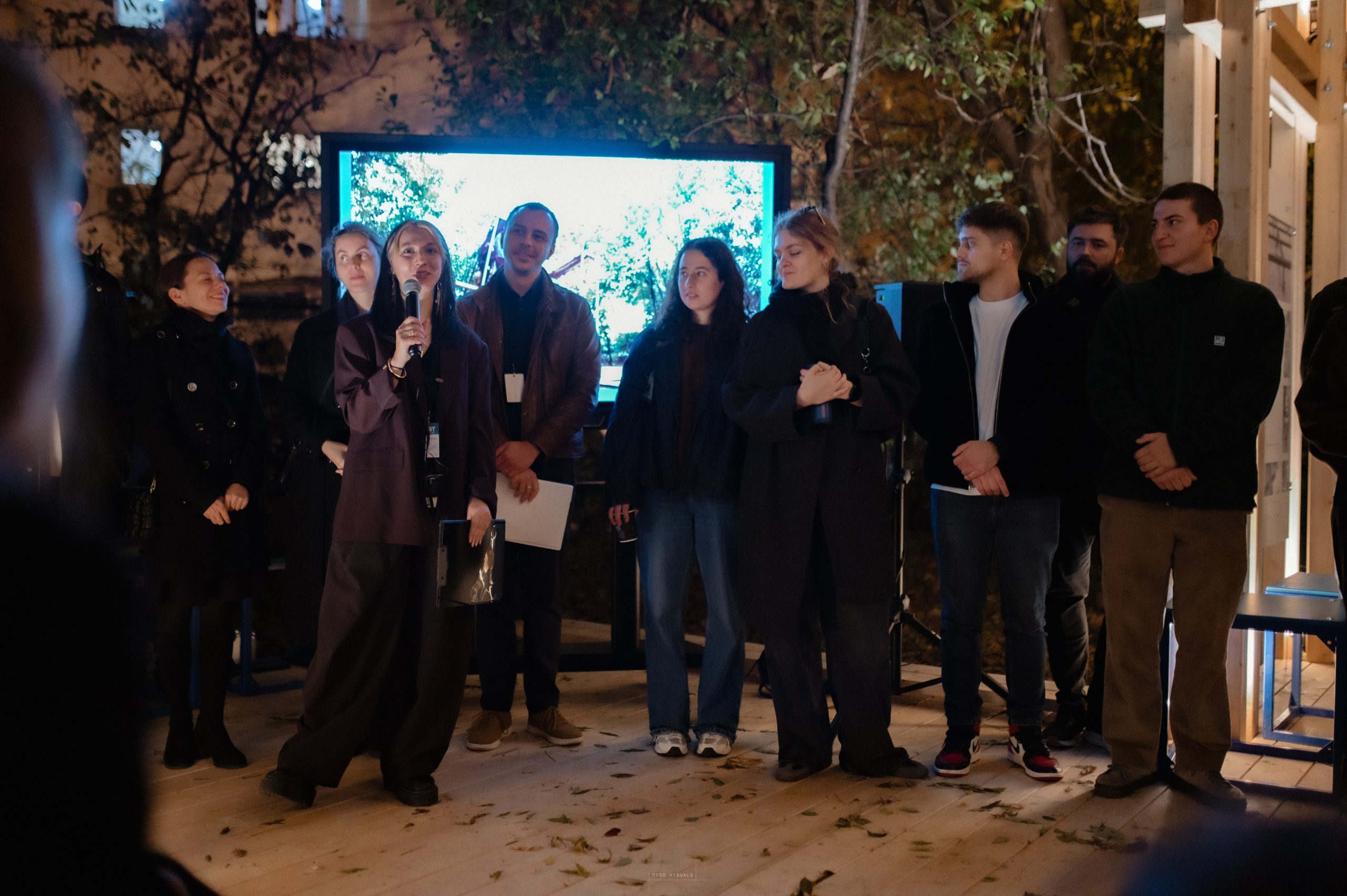
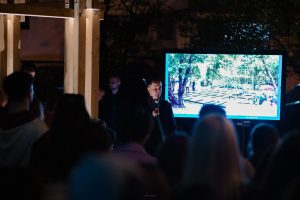
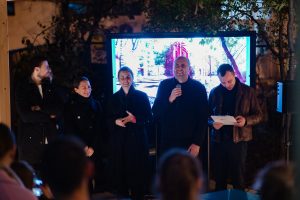
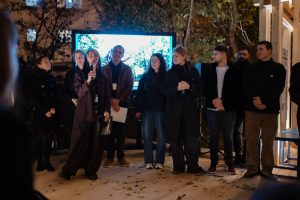
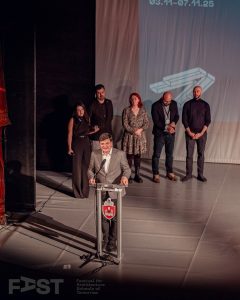
The opening of the 6th Year Exhibition, part of the X5 exhibition within FAST, turns Iași’s public space into a meeting point between architectural education and the city itself. Set as an outdoor display near Iași Town Hall, the exhibition presents diploma projects by 6th-year students from Romania’s five schools of architecture, inviting the general public and festival guests to step into a conversation that is usually kept behind studio doors. In just 30 minutes, the opening frames these works not only as final-year outcomes, but as public propositions. 

What makes this exhibition distinctive is the way it bridges FAST’s collective memory with a clear forward gaze. Visitors are invited to rediscover moments, themes, and collaborations from previous FAST editions in Timișoara and Cluj-Napoca, not as nostalgia, but as evidence of a growing inter-school network, a platform where ideas travel, evolve, and gain relevance across cities. Against this backdrop, the diploma projects become more than individual achievements, they read as the newest chapter in an ongoing conversation about what architecture can, and should, do next. 

The projects on display reveal a generation trained to think across scales and responsibilities. From questions of urban transformation and reuse, to environmental performance, social inclusion, and cultural continuity, they reflect the realities young architects are preparing to face. Presented outdoors, these concerns become legible to a broader audience. Drawings, models, diagrams, and visual narratives operate as conversation starters, encouraging passersby to ask, disagree, and imagine alternatives, alongside the authors and their peers. 

By moving graduation work into the public realm, the exhibition reduces the distance between academic research and everyday urban life. It offers professionals a glimpse into emerging methods and priorities, while giving non-specialist visitors a rare opportunity to see how architectural thinking is built, tested, and argued. 

Ultimately, the opening is not just a showcase, it is a civic invitation. It links the legacy of FAST to the architects who will carry it forward, and it positions the city of Iași as an active participant in that transition, a place where trust, curiosity, and professional futures can be negotiated in public. 

Photo credit: Chifan Yolanda, Tiberiu Ifrim 


Thank You to the FAST 2025 Student Volunteers 

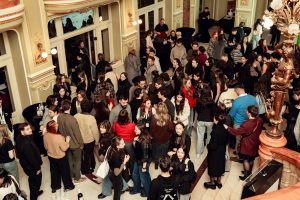
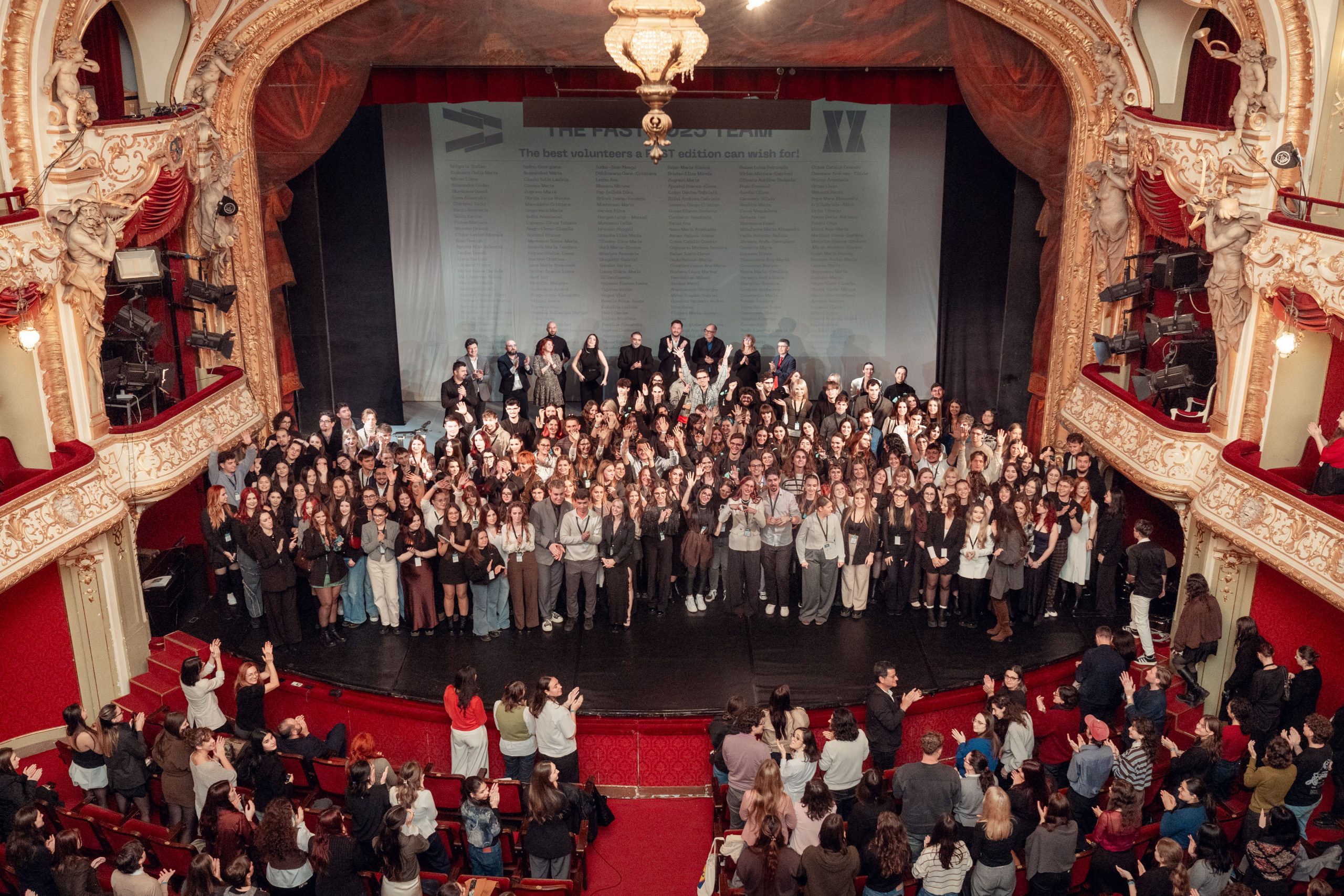
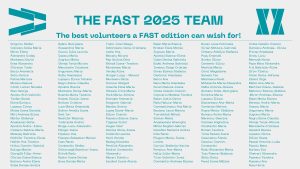
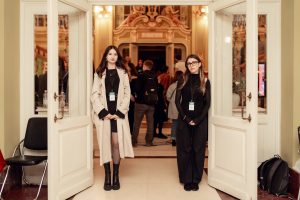
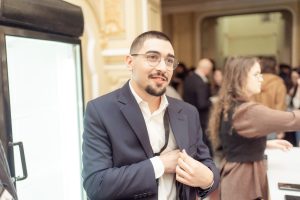
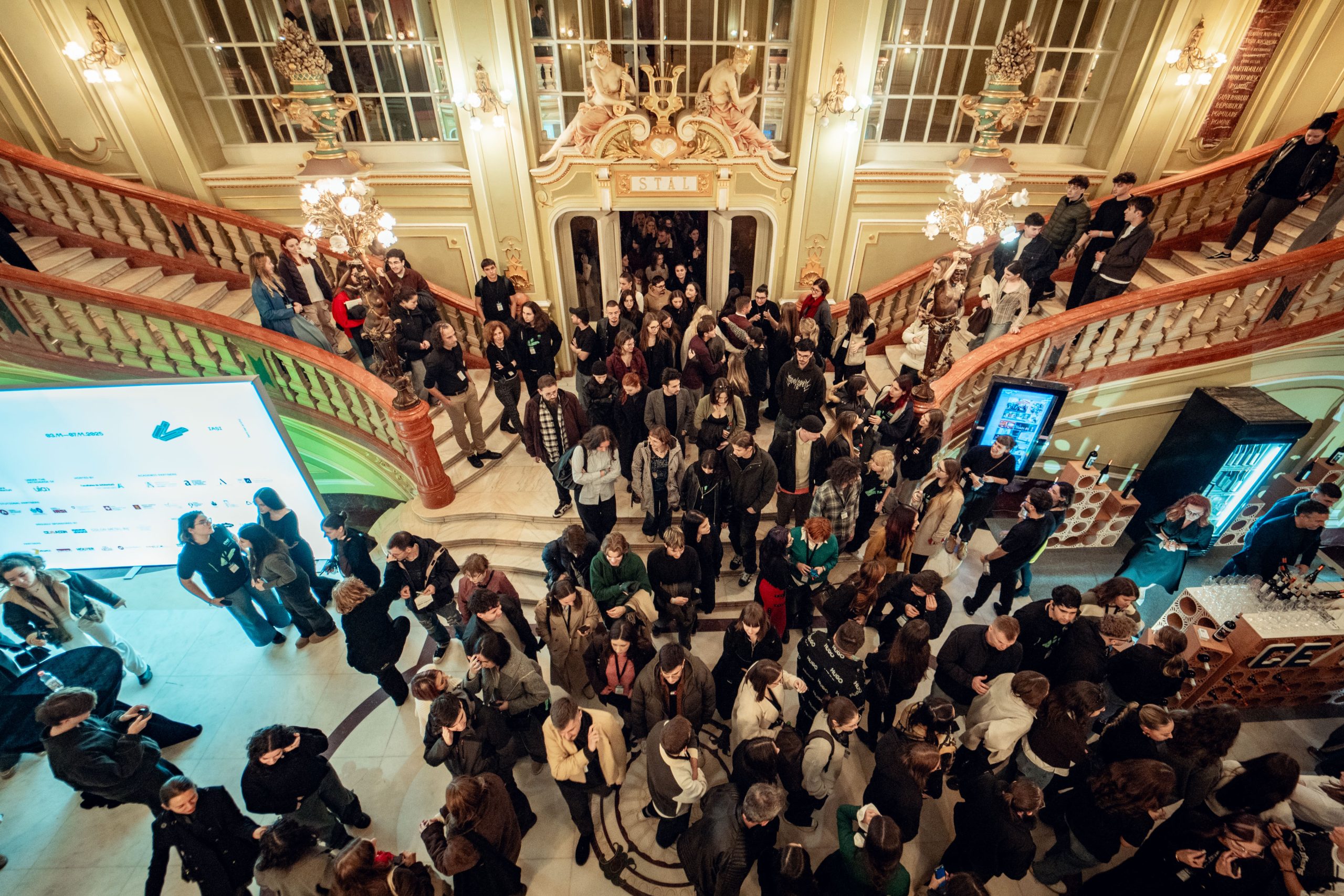
FAST 2025 would not have been the same without the architecture students who joined the festival as volunteers. The organizing team would like to thank them for their time, their involvement, and for choosing to be part of the crew that helped the event run from day to day. 

They supported registrations, guided participants, assisted during talks and panels, moved between venues, and handled the many small practical tasks that come with a multi-day program. Some moments were busy, some were improvised, and they managed both, while still having space to enjoy the experience, meet people, and be part of the festival atmosphere, which is very much in the spirit of FAST. 

Volunteering at FAST is not only about logistics. It also means being inside the process, seeing how an architecture festival is built, meeting guests and speakers, and becoming part of a community. Their presence helped keep a friendly rhythm across the festival, for participants, invited guests, and the organizing team. 

The team is grateful for the energy they brought to Iași and for the shared effort behind the scenes. Thank them for the work, the conversations, the laughs, and the collective push that made this edition feel alive. The organizers hope to welcome them again in future editions of FAST. 


Photo credit: @the_phope – Csaba Szekely 

FAST 2025 in Iași, A Thank You to Our Host School   

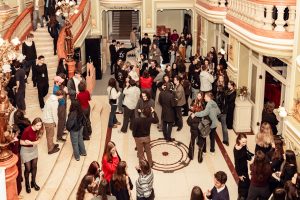
 FAST 2025, the third edition of the festival, unfolded in Iași across multiple venues and was shaped in essential ways by the generosity, openness, and commitment of our host partners. This edition was not only organized in Iași, it was truly carried by a local community that welcomed the festival as its own and transformed it into a shared platform for students, educators, and professionals. 

 We extend our gratitude to our host colleagues for their dedication to the subject and for the care invested in curating exhibitions, discussions, and spaces of encounter. Their work created an environment where students felt invited to participate, question, and contribute. The openness shown toward young participants was not symbolic, it was structural to the festival. It shaped the tone of the conversations and reaffirmed that architectural education thrives when institutions actively support experimentation and dialogue. 

 The exhibitions curated during the festival demonstrated how academic work can move beyond the classroom and enter public space. By presenting student projects with seriousness and professional respect, our hosts reinforced an important message: today’s students are already active contributors to the future of the discipline. The festival became a bridge between education and practice, between learning and public engagement. 

 FAST 2025 confirmed that the future of architecture depends on communities willing to invest in the next generation. The hospitality, trust, and intellectual generosity shown in Iași had a direct impact on the students who participated, and, by extension, on the architects they will become. Supporting education is not an abstract gesture, it is a long-term commitment to the quality and relevance of the profession itself. 

 For welcoming the festival, for standing behind its values, and for opening doors to students and ideas, we thank our host community in Iași. FAST continues to grow because of partnerships like this, grounded in shared responsibility for the future of architecture. 


Photo credits: @the_phope – Csaba Szekely, Bumbu Oliver 

Building FAST 2025 together I The Partners Behind the Festival 

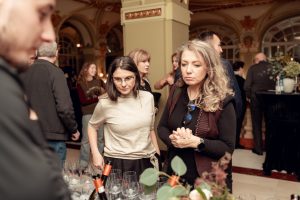
The success of the 3rd edition of the FAST: Festival for Architecture Schools of Tomorrow festival is inseparable from the partners who have chosen to believe in it, support it, and grow alongside it. Across its editions, FAST has developed as a collaborative platform where education, professional practice, and public dialogue intersect, and this evolution would not have been possible without the commitment of our partners. 


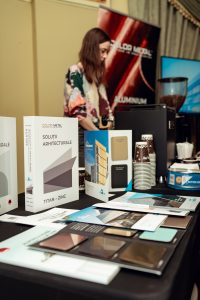
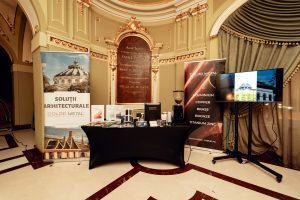
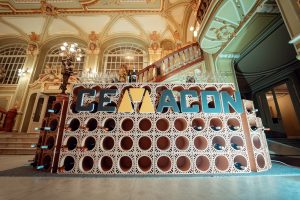
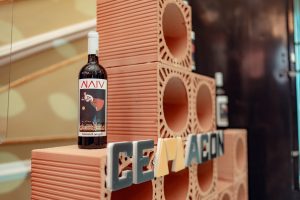
First and foremost, we would like to express our sincere gratitude to CEMACON, who have been with FAST since its very first edition. Their long-term trust, consistency, and support have played a crucial role in shaping the festival’s trajectory. Beyond sponsorship, their involvement reflects a genuine commitment to architectural education and to investing in future generations of architects. Having a partner who believed in the festival from the beginning has given FAST stability, confidence, and the courage to expand its ambitions with each new edition. 


At the same time, we warmly thank the partners who joined the FAST community more recently. Choosing to support a growing cultural and educational initiative is an act of trust, and we deeply appreciate those who saw the festival’s potential and decided to become part of its journey. Their support took many forms, from long-term strategic partnerships to first-time collaborations, from financial backing to knowledge exchange and logistical support, all contributing to the richness and diversity of the festival. 


Together, our partners form a network that bridges academia, professional practice, industry, and culture. Through their involvement, they directly supported learning environments where students could experiment, debate, and engage with the realities of contemporary architectural practice. The exhibitions, workshops, lectures, and public events made possible through these collaborations continue to strengthen FAST as a space for dialogue, critical thinking, and exploration. 


Want to join the FAST community? 

Building on the trust and collaborations established so far, FAST is already looking ahead to its 4th edition, which will take place in Oradea in 2026! If you are an organization, company, or institution interested in supporting architectural education, student-driven initiatives, and cross-disciplinary dialogue, we invite you to join us and become part of the next FAST edition in Oradea, shaping the future of architecture together with the architects of tomorrow. 


Photo credits: @the_phope – Csaba Szekely 


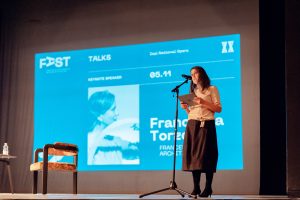
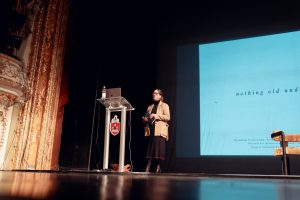
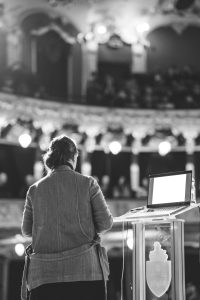
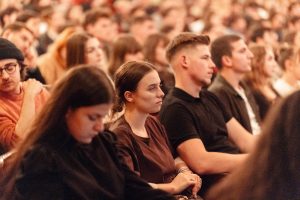
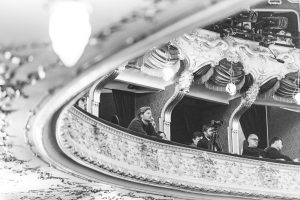
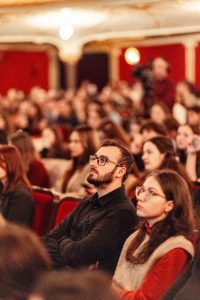
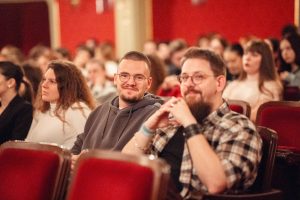
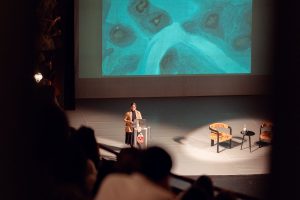
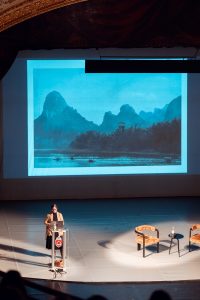
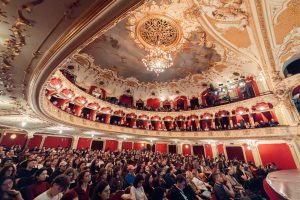
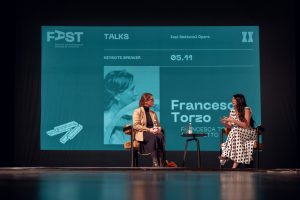
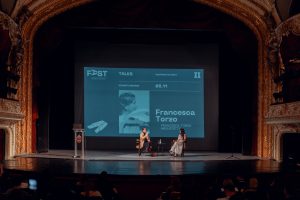
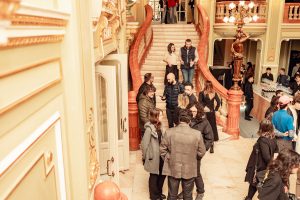
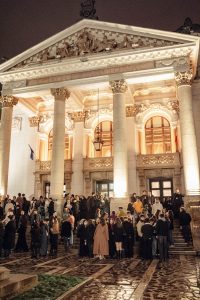
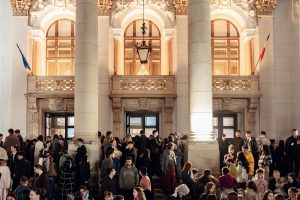
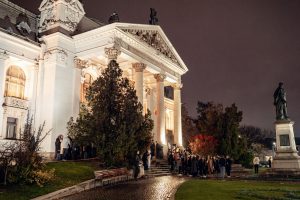
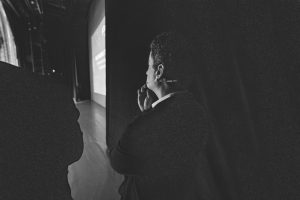
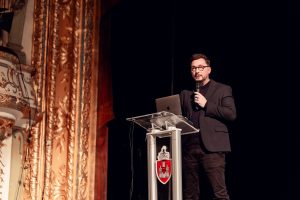
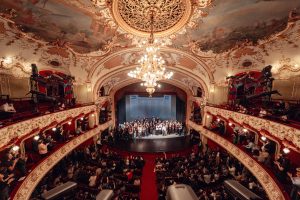
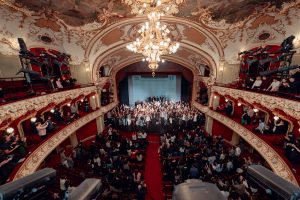
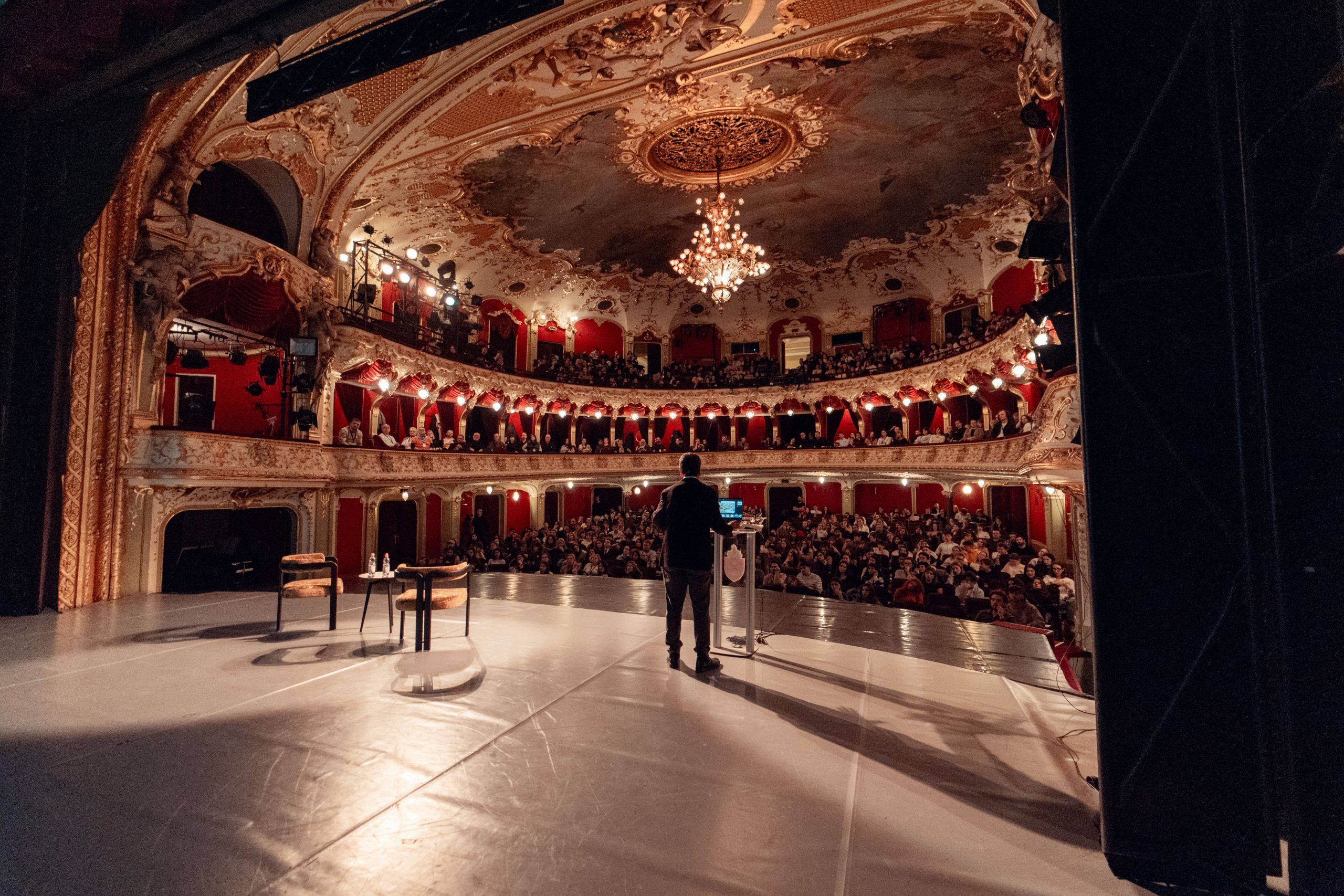
TALKS: Francesca Torzo and Pablo Allard @ Iași National Opera 

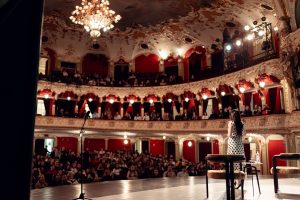
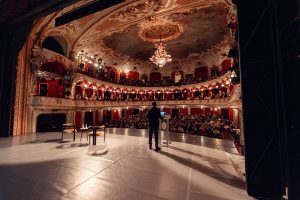
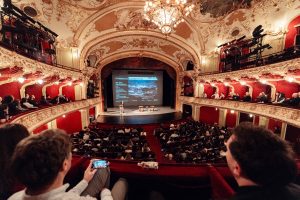
Day 2 of the talks section at the FAST festival brings together presentations by Francesca Torzo and Pablo Alarcón. The program opens with Francesca Torzo, who will share her reflections on architecture, place, and memory, followed by Pablo Alarcón, continuing the conversation with his own perspective and work. 

Francesca Torzo’s talk framed architecture as an act of care grounded in time, memory, and a patient reading of place, rather than an exercise in form. She argued that design began with attentive observation of material and cultural conditions, and with listening to the specific qualities that “hinted” at what a place was. For her, architecture functioned as a practice of collecting, hunting, and discerning, assembling fragments of perception and lived contradictions into spatial narratives that preserved the site’s memory. 

A central idea was that people could share spatial images even when their experiences differed. Our senses gathered impressions unpredictably, and our minds recombined them into fleeting images, a room, a bridge, a threshold, a belvedere, yet we could still communicate about them. This shared understanding was shaped by culture, literature, music, and history, references we might never physically visit, but could still “inhabit” mentally. What mattered, she suggested, was not the isolated object, but the relationships among things, the way sequences, distances, thresholds, light, and topography produced meaning. 

She repeatedly returned to spatial relations and promenade. Architecture, in her view, was not primarily plan or graphic representation, it was choreography, a progression of moments between outside and inside, shelter and exposure, shadow and daylight. In her projects, she had studied how the public realm met the private realm, niches, pockets, courtyards, gateways, shortcuts, walls that folded, and she had translated those urban experiences into buildings. The goal had been continuity without imitation, extending the logics of an existing place rather than copying its historic forms. 

In the Z33 extension in Hasselt, she described how her team had worked with the town’s “soft” ground and medieval traces, reading the beguinage, brick traditions, and the city’s rhythms. The new building became a long wall that welcomed without turning transparent, maintaining an urban edge while opening to the interior garden through a filigree of apertures. She emphasized “tuning” rather than measuring, finding a sense of belonging that avoided both loudness and invisibility. Ambiguity had been cultivated on purpose, walls could read as thick mass or as a system of pillars, openings could feel like folds in masonry, so that users had space to imagine, recall, and project their own memories. 

Across other examples, a dance school and theatre sequences in China, a library pavilion as a tower and belvedere in a flood landscape, or large housing in an oak wood, she stressed the same method. She started from topography and from the culture of settlement, including water management, thresholds, porticoes, courtyards, and the way everyday life organized space. Architecture, she said, needed to be robust enough to accept future reinterpretations, allowing unknown rituals and meanings to emerge over time. She valued what she called the non-authorial wisdom of places shaped by many anonymous people, what had survived centuries was something people could trust, but it still had to be “sung again” today, not replicated. 

Torzo also made a strong ethical point. She treated architecture as a practice of dignity and empathy, of making space for difference. She rejected nostalgia as sterile and warned against “expired” thoughts, the departure point had to be contemporary life. She explicitly distanced herself from form as the primary driver, form was not the goal, it followed from a deeper understanding of life, materials, and context. 

On slowness, she offered a practical stance. Time in production, she noted, had become fast and likely would not change, but thinking did not have to accelerate in the same way. She advised young architects to train their discernment, to identify what was relevant, and to protect a reflective inner dialogue. This required self-respect, trust in one’s capacity to think, and the willingness to make room for other viewpoints through negotiation. For her, slow and fast were not a simple opposition, they coexisted, and the task was to keep precision and care within the speed of practice. 


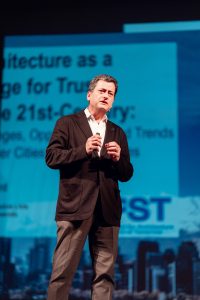
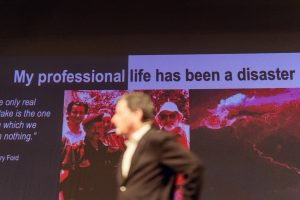
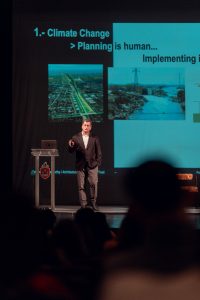
Pablo Allard framed his talk around a simple, uncomfortable premise, trust was earned through action, and learning came mostly from failure. He opened by admitting that his professional life had included “disasters,” using this as a teaching tool, the only real mistake was the one you learned nothing from. For him, building trust meant doing the right thing, not announcing good intentions, and accepting that you would sometimes fail. 

He then zoomed out to cities, arguing that urban form mirrored society. The 20th-century functionalist city, organized by zoning and large infrastructures, produced systemic side effects, segregation, car dependence, pollution, and excessive land consumption. Meanwhile, urban growth had accelerated dramatically, revealing changing needs, expectations, and conflicts. Cities were “magnets” for opportunity, but also “time bombs” when access to education, jobs, safety, health, and culture was unequal, inequality became explosive. He illustrated this with stark global-south contrasts, informal settlements, slums, and extreme spatial inequality. 

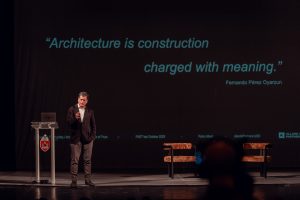
A core conceptual pair followed, scarcity of means could produce precision and relevance, while abundance of means could create a scarcity of meaning. In this context, he insisted that architecture was not just construction, it was “construction charged with meaning.” 

Allard identified four forces shaping the next decades and the conditions for trust, climate action through cities, housing affordability and dignity, technological transformation toward shared urban life, and resilience in the face of shocks. He argued cities had been the lever for climate impact because they had concentrated energy use and emissions in a small land footprint. He advocated for integrated blue-green infrastructure, floodable parks, sponge-city thinking, circular systems, and long-term water strategies that had generated social benefits before the “final” infrastructure payoff. 

On housing, he highlighted progressive, participatory models that had prioritized good location and robust structure, then allowed residents to complete and personalize, shifting value creation to communities. He linked technology to new sharing cultures, co-living, flexible permitting, and transparency, and to rethinking education through learning-by-doing environments. 

Finally, resilience emerged as both technical and social. He recounted failures in conflict planning and disaster recovery to underline that city timelines had outlasted electoral cycles, advocacy had been part of the architect’s role, and recovery had needed to be holistic, combining infrastructure with community cohesion. His practical advice for young architects was direct, they should have started by listening, arrived with a blank sheet and two pencils, and built trust through time, presence, and shared work. 


About Francesca Torzo (FRANCESCA TORZO ARCHITETTO) 

Francesca Torzo (Padova 1975) studied in Barcelona, Mendrisio and Venezia. She graduated with honours in 2001. In 2008 she started her own office in Genova. Since 2017 she has been professor in Bergen and in Mendrisio. She has lectured at a number of international schools and cultural institutions. In 2020 she won the Moira Gemill Prize. The project Z33 house for contemporary art in Hasselt is awarded the international 2018 Piranesi Award, the Premio Italiano di Architettura in 2020 and is among the awarded five finalists of the Mies van der Rohe Award 2022. 


About Pablo Allard 

Pablo Allard is an architect with an MAUD and a Doctor of Design from the Harvard Graduate School of Design, and degrees from the Pontificia Universidad Católica de Chile. Since 2011 he has served as Dean of the Faculty of Architecture and Arts at Universidad del Desarrollo in Santiago and Concepción. 

He bridges academia and practice: Robert F. Kennedy Visiting Professor at Harvard GSD (2018–2019) and visiting professor at Tec de Monterrey, the University of Arizona, and the Pontifical Catholic Universities of Quito and Chile. He is founding partner of Allard & Partners (architecture, urban design, territorial intelligence) and co-founder of Nueva Vía Consultores, focused on infrastructure and mobility. 

Allard is also a co-founder of ELEMENTAL, alongside Alejandro Aravena, internationally recognized for its pioneering work in social housing and post-disaster reconstruction. In 2010 he served as National Urban Reconstruction Coordinator, leading Chile’s recovery efforts after the earthquake and tsunami. He currently serves on several civic and environmental boards such as Reforestemos and Junto al Barrio and contributes to national policies on urban development and sustainable mobility. 

Photo credit: @the_phope – Csaba Szekely, Mereuță Xenia, Anton Daria 


Building FAST 2025 together I The organizers

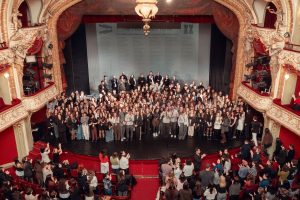
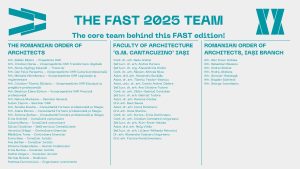
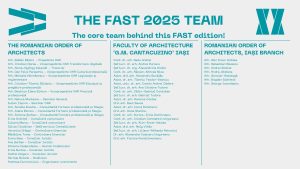
FAST 2025, the third edition of the festival, took place in Iași and has already become a clear reminder of what a committed architecture community can build together. As we move forward and begin shaping the next edition, we are looking back with nostalgia at five intense days that would not have been possible without passionate people and the support of our organizer, the Order of Architects in Romania (OAR). 

FAST 2025 was more than a sequence of events. It became a platform for dialogue between students, educators, and practitioners, a space where ideas circulated freely and where enthusiasm for the future of the profession was visible in every conversation. Delivering a national-scale festival of this complexity required sustained teamwork, coordinated decision-making, and a shared commitment to making things happen, even when solutions did not seem obvious at first. 

A key role was played by OAR, which provided the framework and resources needed for FAST to happen at the level the community expects. Beyond logistics and scheduling, what truly defined this edition was the collective effort behind the scenes. Every workshop, conference, and informal gathering was the result of a large team working in sync, people whose work often stays invisible, but shapes every participant’s experience. 

Iași became, for several days, a living laboratory for architectural reflection. The city offered not only a backdrop, but an active context for conversations about education, professional responsibility, and the evolving role of architects in society. The success of the festival confirmed something simple and powerful, that progress is built through trust, persistence, and collaboration. 

Looking back, FAST 2025 stands as clear proof that a united professional community can turn ambition into reality. Our gratitude goes beyond formal acknowledgments, it is a recognition of the effort, care, and long hours invested by everyone involved. The energy generated in Iași now becomes momentum for what comes next. 


Photo credit: @the_phope – Csaba Szekely 


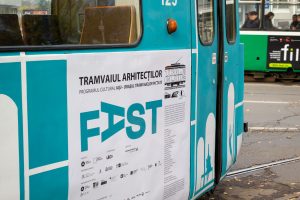
The Architects’ Tram sets Iași in Motion at FAST 

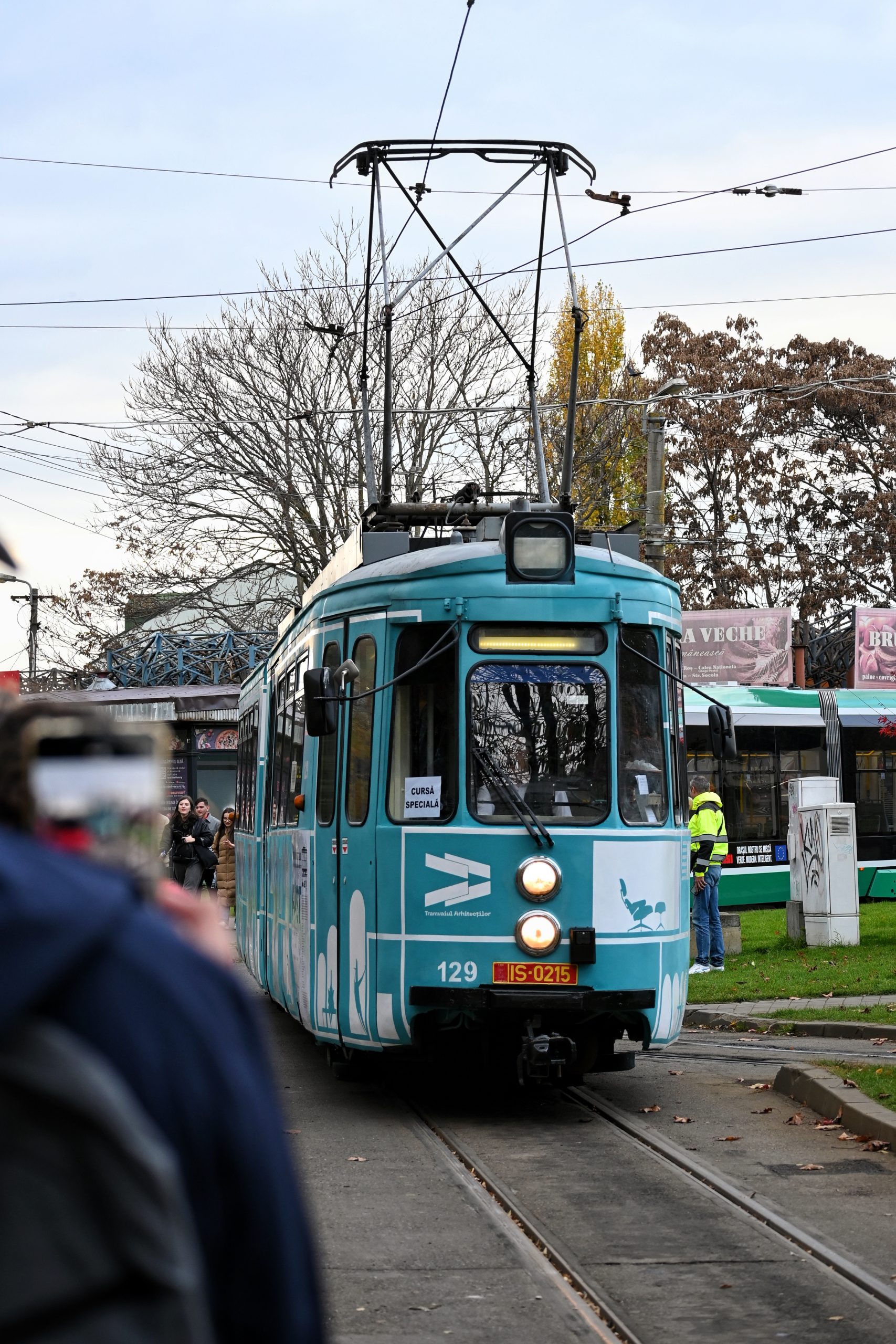
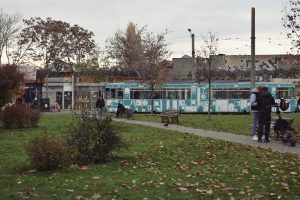
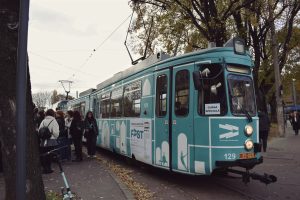
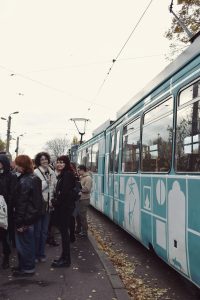
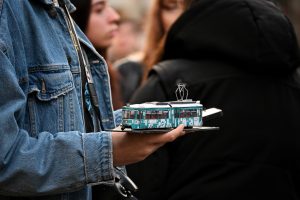
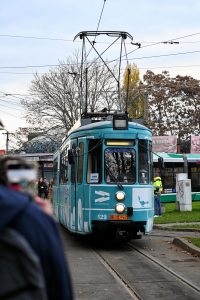
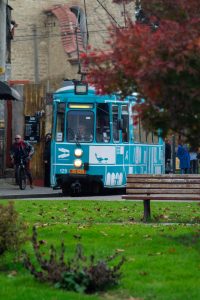
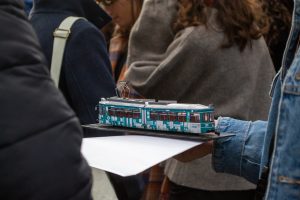
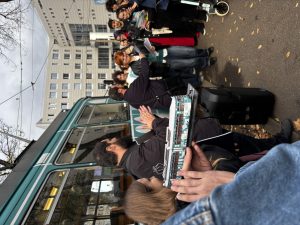
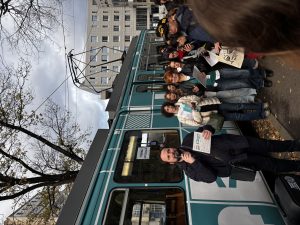
On 4 November 2025, the second day of FAST 2025 (3rd edition), held in Iași, the FAST community gathered in Târgu Cucu for a landmark moment: the unveiling of the FAST tram, titled The Architects’ Tram. Students, professors, practitioners, and curious passers-by came together around it, turning public transport into a shared framework for urban discovery and a conversation starter about the city. 

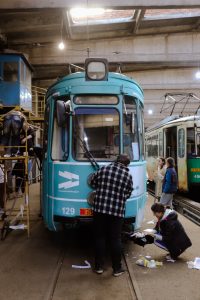
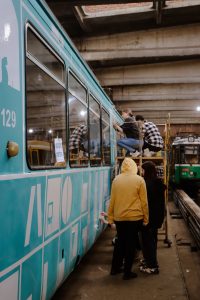
The project was created by students, coordinated by the Tramclub Iași Association, and supported by the Iași Public Transport Company, the “G.M. Cantacuzino” Faculty of Architecture in Iași, the Iași Architecture Students Association, and the Romanian Order of Architects. Presented as a collective work, The Architects’ Tram took shape through collaboration, hands-on workshop practice, and careful attention to detail, bringing together graphic design, craftsmanship, and spatial thinking in a piece visible at city scale. 

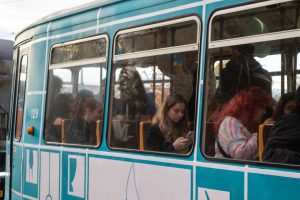
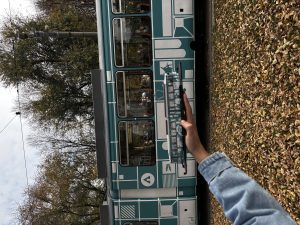
Developed as part of the cultural program Iași – the city of painted trams, the concept revolves around the window as a symbol of openness, communication, possibility, collaboration, transparency, and trust. The tram’s exterior became a façade made of many windows, inviting the public to read architecture through small and large gestures alike, through objects, forms, moments, and symbols. The “window” also became a way of seeing the city: from inside out, while moving, with attention constantly shifting between the close-up and the big picture. 

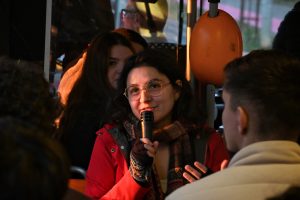
The opening carried the distinctive energy of an event where process and outcome meet. Scenes from the depot captured last-minute adjustments, surface work, and the students’ precise, methodical gestures, while in the city the tram quickly turned into a gathering point. Cold November light, fallen leaves, and the crowd clustered around the tram created a natural stage set, where the graphic intervention sat effortlessly within the everyday urban landscape. Inside, the windows framed faces, conversations, phones lifted for photos, and spontaneous reactions, blurring the line between daily routine and special occasion. 

The unveiling was accompanied by two guided tours. The tram ride followed Str. Cuza Vodă – Piața Unirii – Bulevardul Carol I – Rond Agronomie, ending on Str. Musicescu, near Râpa Galbenă. Three trams ran for the tour: The Architects’ Tram (created for FAST 2025), The Freedom Tram signed by Dan Perjovschi, and the Tourist/Café Tram. Seats were limited and participation followed the order of arrival, reinforcing the feeling of a moment happening in real time. 

After the ride, participants continued on foot, walking from Râpa Galbenă to Palace Square, extending the city reading into street-level pace. Moving from rails to walking shifted the scale of perception, from a city observed in motion to the textures of façades, the rhythm of streets, and the relationships between spaces. 

To close the day, two students from the Faculty of Architecture in Oradea, host city of FAST 2026 (4th edition), shared their impressions of the ride and their first-hand encounter with Iași. They described it as “a boom of architectural models and styles.” While Oradea is largely defined by Art Deco, Iași felt like an explosion of architecture visible both from the street and from the tram. They also highlighted the city’s layered terrain: climbing uphill, descending into valleys, and constantly discovering new viewpoints, which made Iași feel vividly alive. 

Once the tours ended, the tram remained more than a graphic object. It became an instrument of urban memory: a moving piece that continues to circulate and tell a story about collaboration, education, and how architecture can step off the page and into everyday life. 


Photo credit: Tiberiu Ifrim, Iuliana Marcu, Carpiuc Cosmin, Chifan Yolanda, Berescu Ana Maria 
 

Sign up for the Transformations Workshop

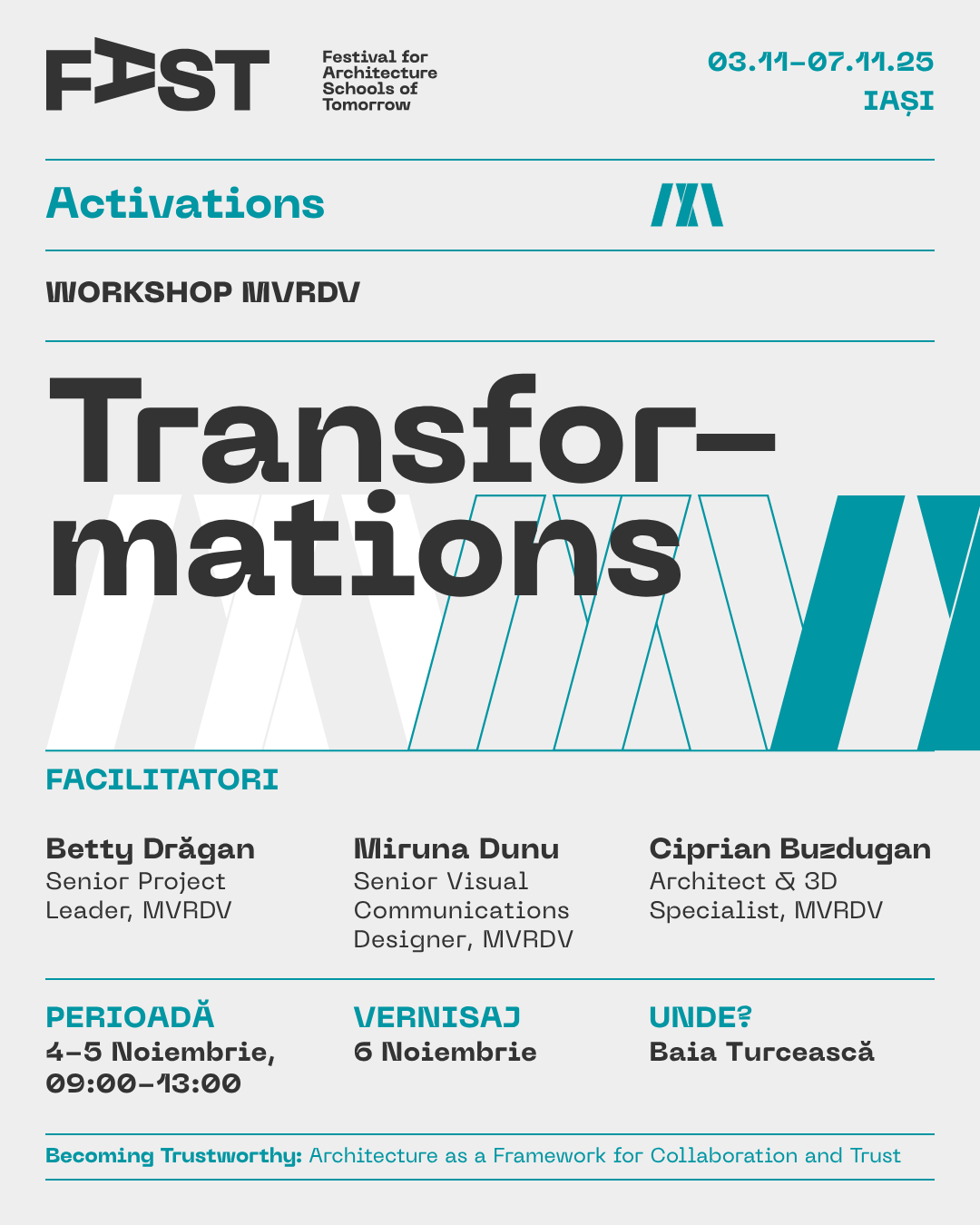
The Transformations Workshop invites architecture students to rethink the potential of existing buildings in the context of today’s environmental and social challenges. Led by Betty Drăgan (Senior Project Leader, MVRDV), Miruna Dunu (Senior Visual Communications Designer), and Ciprian Buzdugan (Architect & 3D Specialist), this hands-on program explores circular design, adaptive reuse, and carbon awareness in architecture. 

The process begins with an online preparatory session for installing and testing CarbonScape, MVRDV’s interactive tool for visualising embodied carbon, followed by two in-person days (4–5 November) at Baia Turcească. Students will attend presentations, conduct site visits, and work in teams to develop transformation concepts for selected locations in Iași. 
On 6 November, their proposals will be exhibited as part of the Transformations Exhibition, presented alongside MVRDV’s curatorial materials Carbon Confessions and ABC of Sustainability. 

The workshop is open to architecture students in their third year or higher, with up to 20 available places. Applicants must submit a short motivation text and a visual portfolio fragment relevant to the theme.
Applications are open until 20 October via the online form. 
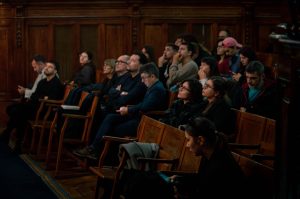


Sign up for the Affective Cartographies Workshop

The Affective Cartographies Workshop (4–5 November, 9:00–13:00) invites students to explore the city of Iași through emotion, perception, and memory rather than plans and measurements. Guided by assist. prof. dr. arch. Tiberiu Teodor-Stanciu and assist. prof. dr. arch. Ramona Costea, the two-day experience (4–5 November) aligns with the festival’s theme, Convergence, and encourages participants to sense and map the city in a personal way. 
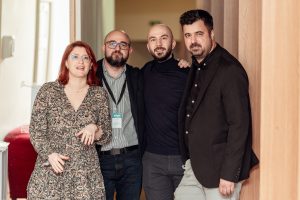
The workshop begins with a guided walk through the city centre, combining photography, quick sketches, and written notes to capture atmosphere and affect. In the second phase, participants will create a 50×50 cm plexiglass collage, layering cut-outs, drawings, and text to form individual “affective maps.” These will merge into a collective installation presented on 6 November, offering a multi-perspective geography of emotions and memories. 

Open to 12 architecture students, this workshop provides a poetic method of mapping — one that connects spatial experience with human perception. Applications are open until 20 October via the online form. 


Copyright 2025 OAR. All rights reserved